CargoTrack News
Search
Preventive maintenance helps rental fleets reduce downtime
Preventive maintenance can help rental-car operators spot wear early, schedule servicing and limit vehicle downtime. Fleet-monitoring data such as mileage and usage can support maintenance planning, though it does not replace technical inspections.

Romanian guide outlines truck-driver per diem tax limits
A guide explains Romania’s tax-free per diem ceilings for truck drivers, including the lower limit set by the 2.5-times allowance cap and three prorated base salaries. It also distinguishes business travel from transnational posting, where host-country minimum-pay obligations apply.
Romanian lorry-driver per diem: tax caps and posting rules for 2026
Romanian transport firms must apply both the 2.5-times daily allowance cap and a second limit based on three basic salaries, using whichever is lower. For cabotage and cross-trade, drivers may also be entitled to host-country pay; per diem cannot replace it.

Romanian road transport inspections: checks, penalties and appeals
A guide to Romania’s ISCTR inspections of hauliers, covering roadside and workplace checks, documents, vehicle immobilisation, fines and the 15-day deadline for challenging a violation report.

Romania’s ISCTR controls: what road transport operators must know
A practical guide explains Romania’s ISCTR roadside and premises inspections, document checks, vehicle immobilisation exceptions, fines under HG 69/2012 and the 15-day deadline for challenging a contravention notice.

ADR dangerous-goods rules and the 1,000-point exemption explained
A practical guide to ADR compliance for dangerous-goods carriers in Romania explains the nine hazard classes, how the 1,000-point partial exemption differs from limited quantities, and the driver, vehicle and safety-adviser requirements above the threshold.

ADR 2026: Dangerous-goods rules and the 1,000-point exemption
A practical guide to ADR 2026 explains the nine hazard classes, the 1,000-point partial exemption, limited quantities and requirements for drivers, vehicles, safety advisers and transport documents in Romania.

Guide explains CMR paperwork, carrier liability and insurance limits
A practical guide to the CMR consignment note explains how reservations affect carrier liability, the 8.33 SDR-per-kilogram compensation limit, claim deadlines and the difference between carrier liability and cargo insurance. It also outlines Romania’s application of the convention.

Guide to ADR dangerous-goods classes and transport requirements
An overview of ADR rules for dangerous-goods transport, covering classification, packing groups, package marking, vehicle placards, onboard equipment and documentation, based on Romanian Road Authority material.

Guide to ADR classes, markings and equipment for dangerous-goods transport
A practical guide explains the nine ADR dangerous-goods classes, packaging groups, package and vehicle markings, mandatory onboard equipment, transport documents, limited and excepted quantities, and the application of successive ADR editions.

Romanian ADR certificate rules, costs and renewal requirements for 2026
A guide to Romania’s ADR driver certificates explains the four specialisations, ARR’s 250 lei five-year fee, renewal within the final 12 months, exemptions and separate safety-adviser requirements.

e-CMR rules and validity for Romanian hauliers
The article explains when electronic CMR consignment notes are valid, their signature and data-integrity requirements, and procedures carriers must agree. It outlines Romania’s current use and the eFTI requirement for authorities to accept electronic information, expected to apply from July 2027.

Guide explains how to complete the CMR consignment note
The guide explains the current IRU form’s boxes, copies and carrier-reservation rules, including how declared value and cash on delivery affect liability. It also outlines Romania’s adoption of e-CMR.

Guide explains CMR requirements, liability and e-CMR use in Romania
A detailed guide explains how CMR consignment notes operate in international and domestic Romanian road freight, including required information, carrier liability, compensation limits, claims deadlines and electronic CMR rules.
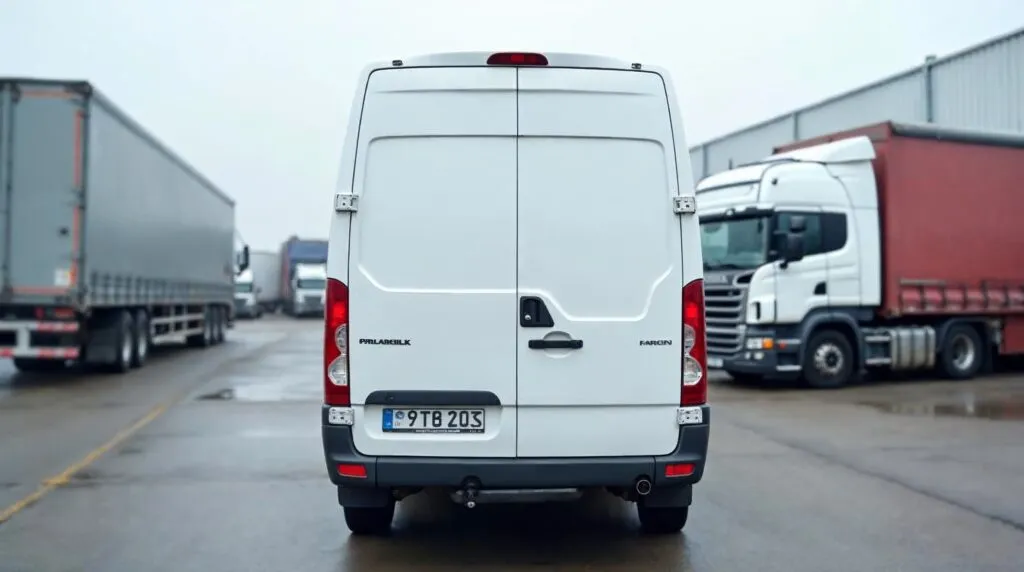
Tachograph rules extend to lighter vehicles in international transport
From 1 July 2026, goods vehicles over 2.5 tonnes used for international transport or cabotage require a tachograph, while the domestic threshold remains over 3.5 tonnes. The article explains weight calculations, exemptions, equipment rules and Romanian penalties.
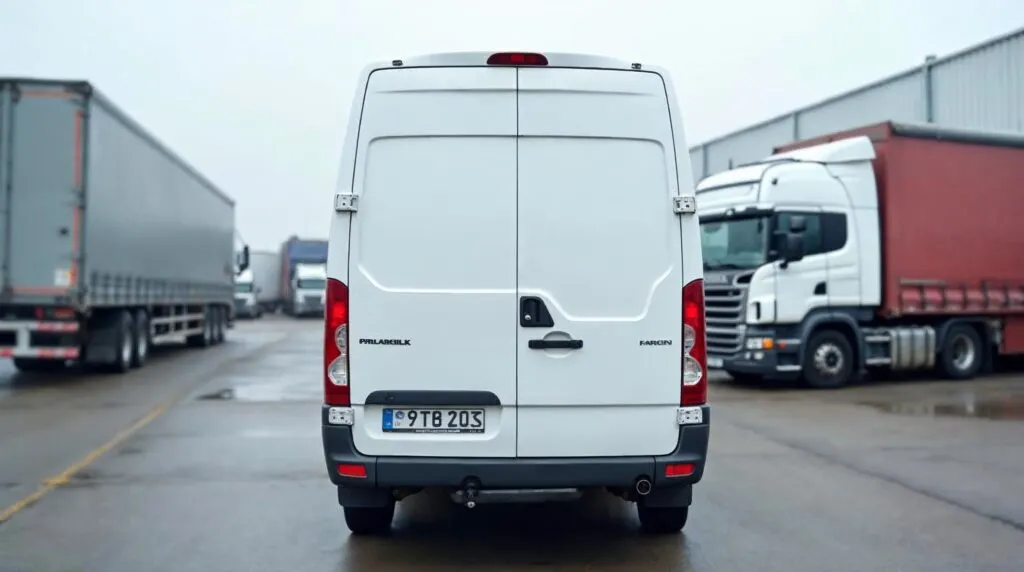
Romania clarifies 2026 tachograph thresholds and exemptions
Romanian guidance explains tachograph obligations: the threshold remains above 3.5 tonnes for domestic freight, while vehicles above 2.5 tonnes operating internationally or in cabotage are covered from 1 July 2026. It also outlines exemptions, equipment requirements and penalties.

Transport operators face 15-day ARR driver-reporting deadline
Road transport operators must report driver appointments, departures and other employment changes to ARR online within 15 days. Non-compliance is treated as a serious contravention and can attract a fine of 4,000–6,000 lei.

Romania sets refund process for unused truck vignettes after TollRo launch
Romanian rules allow freight vehicles over 3.5 tonnes to claim a refund for the unused period of their vignette after switching to per-kilometre TollRo tolling on 1 October 2026. Claims must be made through a CNAIR app, with payment due within 90 days of registration.

Romania’s TollRo switch: how hauliers can reclaim unused rovinietă fees
Romanian hauliers can claim refunds for unused rovinietă periods when heavy vehicles move to the distance-based TollRo system. The article explains the written-application requirement and outlines the legally confirmed and proposed transition dates.

Romania sets 2026 fees and procedures for transport certificates
A guide to Romanian Road Authority fees and application procedures for driver and transport-operator documents in 2026. It covers online applications, renewal deadlines, replacement fees and tracking certificates across commercial fleets.

Romania sets 2026 transport-operator certificate fees and online ARR process
Romania’s road authority has set 2026 fees for driver certificates, tachograph cards and licence copies, with applications handled through its online platform. The guide also outlines renewal windows, replacement deadlines and separate examination charges for transport operators.

Romanian guide details freight-transport company and licensing requirements
A Romanian guide outlines company-registration, licensing, financial-capacity and transport-manager requirements for freight operators. It also covers the 2026 smart-tachograph obligation for 2.5–3.5-tonne vehicles used on international EU routes and current ARR fees.

TollRo sets 1 October 2026 deadline for heavy-vehicle fleets
Romania’s TollRo road-charge scheme is due to start on 1 October 2026 for commercial vehicles over 3.5 tonnes. The guide compares route tickets, CNAIR’s eTarife app and SETRo contracts with OBU equipment, alongside tariffs, penalties and fleet-preparation steps.

Netherlands replaces Eurovignette with per-kilometre truck charge
The Netherlands’ Vrachtwagenheffing began on 1 July 2026, replacing the Eurovignette with distance-based charging for heavy goods vehicles. Operators need an approved OBU and service-provider contract, with rates varying by weight and emissions class.
Romania clarifies freight-driver certification rules for vehicles over 3.5 tonnes
A Romanian guide explains when freight drivers need professional certification under Codul 95, distinguishing requirements for vehicles above 3.5 tonnes from licensing and tachograph obligations affecting 2.5–3.5-tonne international operators.

Eurovignette remains in Luxembourg and Sweden as tolling systems diverge
The Eurovignette remains valid for heavy goods vehicles in Luxembourg and Sweden in 2026. The Netherlands and Denmark have moved to distance-based charging, while tariffs now reflect CO₂, emissions class, axles and duration.

2026 EU driving-time and rest rules for truck and coach drivers
A 2026 guide summarises EU driving-time and rest rules for truck and coach drivers, including daily and weekly limits, tachograph-recorded breaks, reduced weekly-rest compensation and employers’ return-home obligations. It also outlines Romanian enforcement.

Romania sets 2026 rovinieta fines and prepares TollRo transition
A 2026 guide outlines Romania’s rovinieta fines, payment rules and new grace period. It also says commercial vehicles over 3.5 tonnes will move to the distance-based TollRo system from 1 October 2026, while cars and lighter vehicles remain on the rovinieta scheme.

Romanian fleets face 28- and 90-day tachograph download deadlines
CargoTrack explains EU tachograph download obligations, including 28-day deadlines for driver cards, 90-day deadlines for vehicle units and one-year retention. It also covers Romania’s €? No, 4,000–6,000 lei fines and remote-download options.
Romania’s 2026 tachograph-card fees and application rules
CargoTrack outlines Romania’s 2026 tachograph-card application, renewal and replacement procedures, including ARR’s 300 lei fee, five-year validity and a 15-day issuance target. It also summarises driver and operator data-download deadlines.

Comparison of Romania's TollRo and Hungary's HU-GO
Transport operators have been informed that Romania has introduced TollRo, a distance‑based charging system for vehicles over 3.5 tonnes, and authorities have aligned its key features with Hungary's HU‑GO, including charges by distance, vehicle class and emission standard.

Romania’s TollRo charges vary by truck emissions class
TollRo road-use charges for trucks in Romania will vary by distance, vehicle category and Euro emissions class from 1 July 2026, with older, more polluting vehicles paying higher rates per kilometre.

Romania’s TollRo road charge: 2026 tariffs for heavy vehicles
Romania’s TollRo system will replace the rovinieta for vehicles over 3.5 tonnes from 1 July 2026. Charges will be calculated by distance and Euro emissions class, with payment available through route tickets or OBU/GPS equipment.

Romania launches TollRo road-charging system
Romania has introduced TollRo, a distance-and-emissions-based road charge for commercial vehicles over 3.5 tonnes, which has been scheduled to replace rovinietă for such vehicles from 1 July 2026 after a delay in system procurement.

RO e-Transport ANAF: Guide to Correct UIT Code Declaration
RO e-Transport ANAF monitors high-risk goods transport via GPS. Declaration of UIT codes is mandatory; from January 2026, GPS data transmission will be obligatory for transporters.
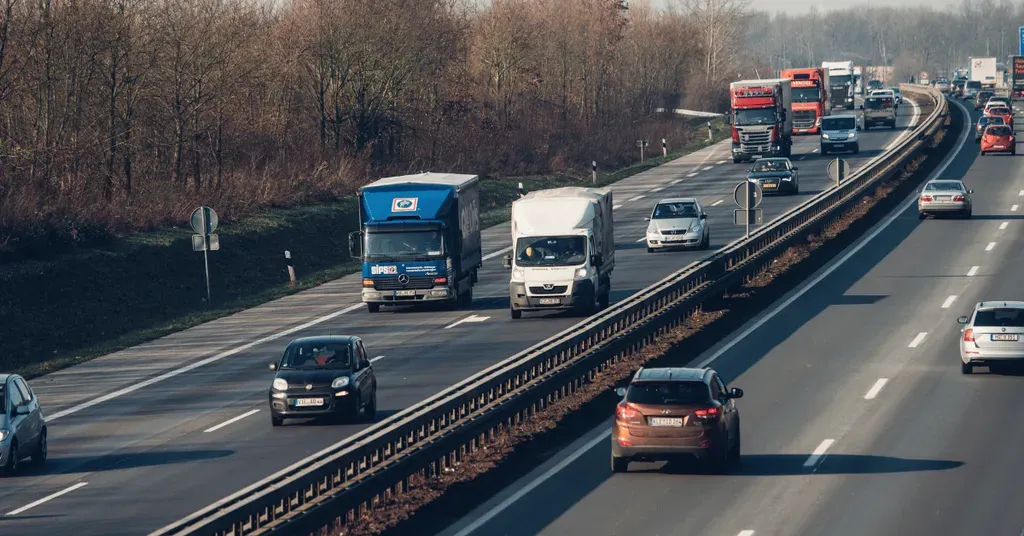
Romania to enforce e-Transport GPS reporting fines from January 2026
Romania is set to begin fining transport operators from January 2026 for failing to declare eligible high-risk goods or transmit vehicle GPS data through the RO e-Transport system. Penalties range from 5,000 to 100,000 lei, with possible vehicle immobilisation and confiscation.
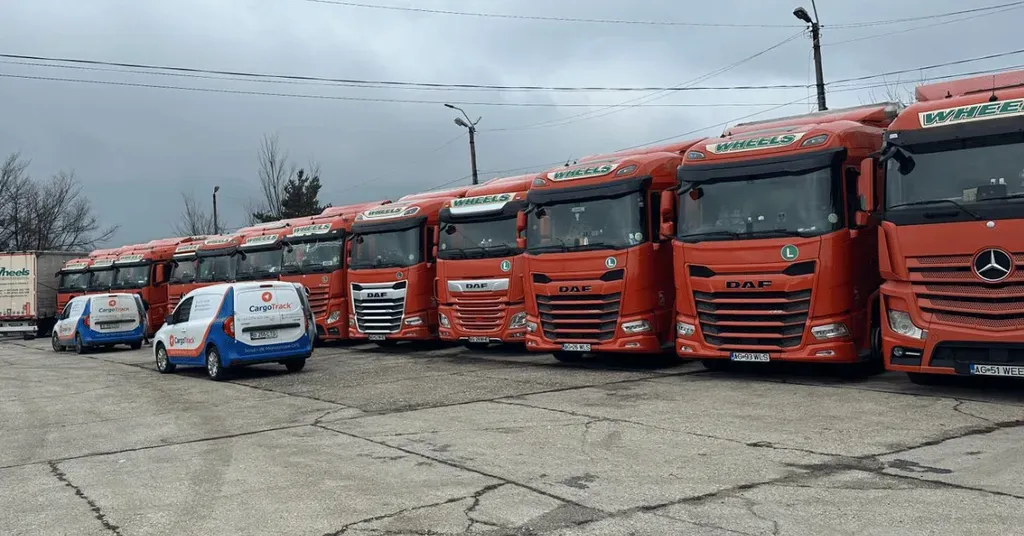
Romania begins enforcing GPS data rules for e-Transport shipments
Romania has begun enforcing e-Transport requirements, including GPS data transmission for qualifying truck shipments and fines for non-compliance. Freight forwarders must provide UIT codes, while CargoTrack promotes software to automate reporting to ANAF.

Germany expands truck road tolls to vehicles from 3.5 tonnes
Germany’s road-toll rules changed from 1 July 2024, extending distance-based charges to goods vehicles weighing 3.5 tonnes or more. The toll includes infrastructure, CO₂, air-pollution and noise components, with exemptions for certain vehicles.

EU rules on the posting of lorry drivers and IMI declarations
Transport operators must file IMI posting declarations and retain transport, tachograph, working-time and pay records when drivers work under EU posting rules. Required documents must be submitted through IMI within eight weeks of the posting period ending.

Implementation of Smart Tachographs Under Mobility Package 1
EU's Mobility Package 1 mandates installation of smart tachographs on new vehicles, impacting transport companies with deadlines extending to 2026.

State Aid for Transporters Set at 0.13 Lei Per Litre for 2024
The Romanian government will provide transport operators with quarterly fuel subsidies of 0.13 Lei per litre throughout 2024, subject to specific eligibility criteria.

Romania expands E-Transport reporting and real-time vehicle monitoring
Romania’s E-Transport system will cover all international road freight from 15 December 2023. Transport operators must use satellite-enabled terminals for real-time monitoring, with non-compliance fines applying from 1 July 2024.

Closure of 2G and 3G Networks by Telecommunications Operators
Telecommunications providers globally are progressively closing 2G and 3G networks to enhance 4G and 5G coverage, impacting users and industry operations.

Romania schedules 2023 labour inspections for road transport operators
The Labour Inspectorate’s 2023 calendar schedules inspections of domestic road freight and passenger transport operators in April–June, covering working and rest time, mobility-package compliance, worker posting rules and occupational health and safety.

Traffic Checks Implementation of Mobility Package 2022
An overview of the enforcement measures related to the Mobility Package 2022, highlighting increased inspections across European countries and documentation compliance requirements.

Overview of the 2022 Mobility Package Regulations
The 2022 Mobility Package introduces new regulatory requirements impacting transport operations within the EU and the UK, necessitating compliance for industry stakeholders.

Romanian Government Announces Fuel Subsidy for Transporters
The Romanian government introduces a fuel subsidy scheme for transporters, providing 50 bani per litre to support approximately 3,000 licenced operators amid rising fuel prices.