

Transpoco survey finds widespread distracted driving in Ireland
Transpoco’s 2025 survey of more than 1,000 drivers across Ireland finds widespread distracted-driving behaviour, with commercial drivers among the highest-risk groups. It reports that 58% experienced a close call or accident linked to distraction.

Employers can use fleet dashcam footage in disciplinary cases if handled fairly
Guidance for UK and Irish fleets says dashcam footage may support disciplinary action when drivers are informed, data use is proportionate, storage is secure and employees can respond.

New EU Risk Rating System for Transport Operators in Ireland
The RSA has introduced an EU-wide risk rating system for transport operators, replacing CVORI, aimed at enhancing consistency and safety across Member States.

EU extends temporary protection and driving qualification recognition for Ukrainians
The EU has extended temporary protection for Ukrainian drivers in Ireland until 4 March 2026. Ukrainian driving licences and professional truck and bus qualifications remain recognised, including specified expired CPC cards, reducing compliance burdens for fleet operators.

New Driver Number Requirement for Motor Insurance in Ireland
From 31 March 2025, Driver Numbers will be essential for all motor insurance policies in Ireland, impacting fleet managers and policyholders significantly.

Jack Manning Appointed New CEO of Transpoco
Jack Manning becomes CEO of Transpoco, integrating advanced AI technology to enhance fleet safety and efficiency while maintaining independent operations of Safely.
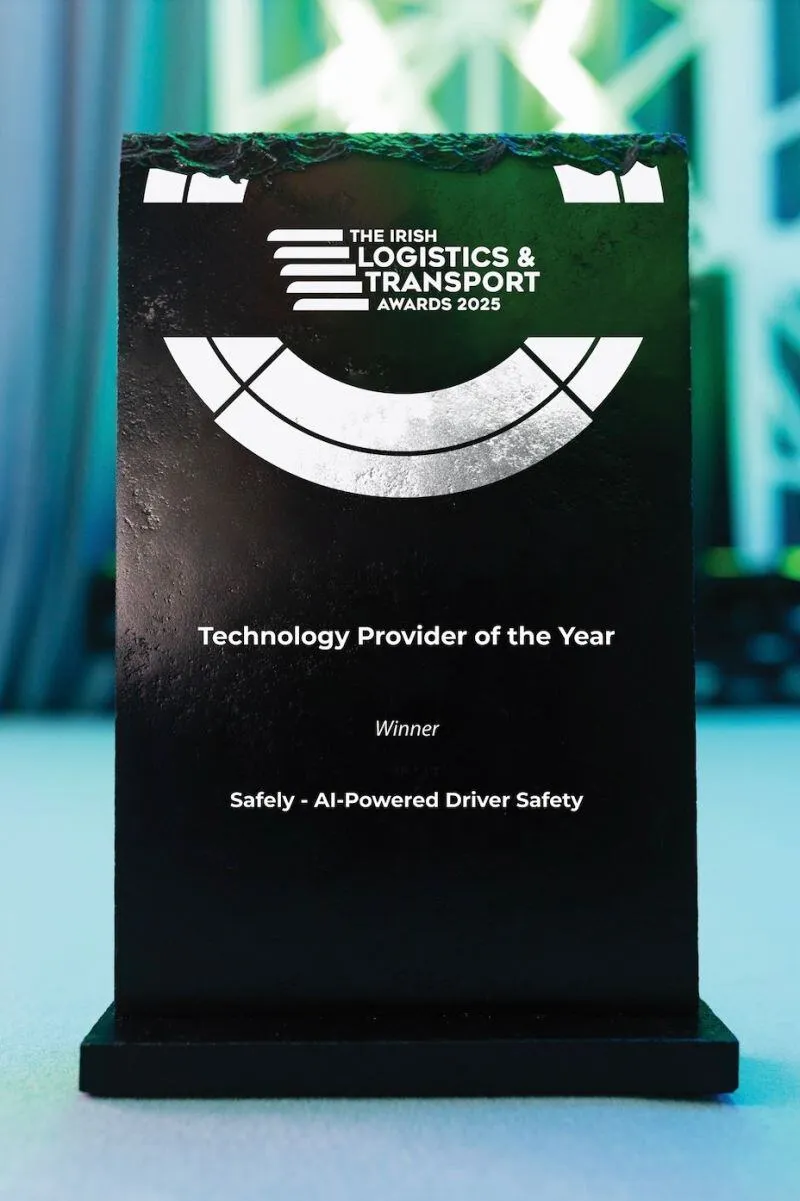
Transpoco's Safely Named Technology Provider of the Year 2025
Transpoco's Safely application has received the Technology Provider of the Year award, highlighting its effectiveness in enhancing driver safety and fleet management.

Ireland introduces lower speed limits and tougher road-safety rules
Ireland is introducing lower speed limits on rural local roads, urban roads and national secondary roads during 2025. The legislation also adds multiple penalty points for simultaneous offences and mandatory drug testing after serious collisions.

Automation's Impact on Fleet Management and Human Oversight
Fleet management is increasingly reliant on automation, yet human oversight remains essential for managing complex logistics and ensuring operational efficiency.

Potential Impact of US Tariffs on UK and Irish Fleets
Proposed US tariffs on vehicle imports may influence UK and Irish fleet markets, with potential shifts in pricing and competition, particularly within the electric vehicle sector.

Transpoco Summit 25 to examine fleet management trends
Transpoco’s Summit 25 will bring fleet professionals together to discuss EV fleet adoption, safety, compliance and technology including telematics and AI-powered management solutions.

Smoking rules for company vans in the UK and Ireland
Company-vehicle smoking rules differ across the UK and Ireland. Shared UK work vehicles require smoking bans and signage, while Ireland prohibits smoking in all work vehicles. Employers and drivers can face fines for non-compliance.

How fleets can address electric-vehicle range anxiety
Analysis of electric-vehicle range concerns in fleets, highlighting longer vehicle ranges, depot charging, telematics-based route analysis and fleet-management software to support planned electrification.

Fleet interview outlines strategies to address commercial-driver shortages
A fleet manager discusses driver shortages in the UK and Ireland, highlighting retention, pay reviews, training and apprenticeships. The interview also describes how telematics data can support recruitment, driver development and retention.

Five battery load-management tips for electric vehicle fleets
Transpoco outlines five ways airport ground-support-equipment fleets can manage EV charging loads, including smart recharging, demand balancing, reduced battery consumption and regular charging-infrastructure maintenance.
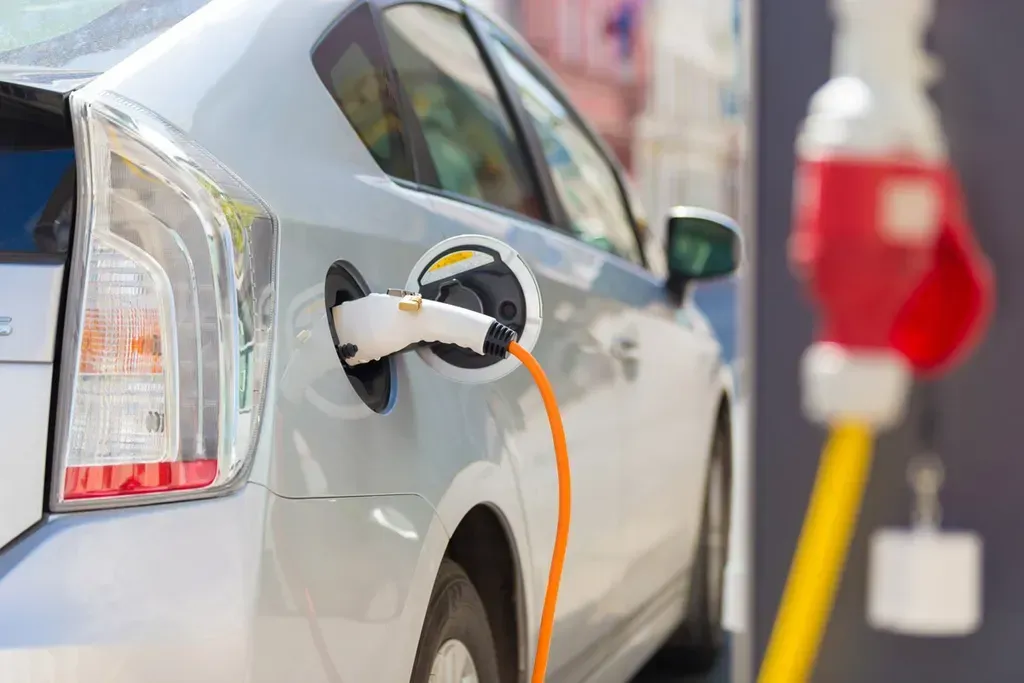
Understanding Benefit-in-Kind Calculations for EVs
The Irish government incentivises electric vehicles through reduced BIK tax rates, calculated based on vehicle value, business mileage, and CO2 emissions.

Overview of the EU Mobility Package Legislative Changes
The EU Mobility Package introduces new regulations aimed at enhancing road transport efficiency, driver welfare, and compliance for transport companies across the European Union.

Registration Deadline Approaches for National Fleet Database
Fleet managers must register vehicle insurance details on the National Fleet Database by November 30, 2023, to avoid penalties and ensure compliance.

New HGV Safety Regulations in Greater London by 2024
Fleet operators must comply with new HGV safety regulations in Greater London by October 2024, requiring a three-star DVS rating or the Progressive Safe System.

Updates on Tachograph Legislation in France and EU
Recent regulations on tachographs aim to improve safety and compliance in the transportation sector, with new requirements for vehicle equipment and data management.

Government Proposes Red Flashing Lights for Breakdown Vehicles
The Government's plan to introduce red flashing lights for breakdown vehicles aims to enhance roadside visibility and safety for recovery drivers and motorists.
Transpoco and Actavo Collaborate on Caribbean Safety Initiatives
Transpoco partners with Actavo to enhance safety and efficiency using telematics and AI camera solutions throughout Caribbean operations.

Brake Distance Challenge Promotes Driver Safety Awareness
The Brake Distance Challenge at Fleet & Mobility Live aims to enhance awareness amongst fleet managers regarding the impact of driver actions on road safety.

DfT survey finds half of drivers exceed 30mph speed limits
Department for Transport data shows 50% of car drivers exceeded 30mph limits in 2022, while van compliance was 49%. Speeding was less common on motorways and national-speed-limit single-carriageway roads.

UK fleet vehicle downtime rises sharply since the pandemic
New Epyx data shows average fleet vehicle off-road times have increased across almost all UK regions since the pandemic. Northern Ireland recorded the longest average downtime at 2.40 days, while the North West had the shortest at 1.82 days.

2023 Fleet News Wellbeing Award Now Accepting Entries
The 2023 Fleet News Wellbeing Award seeks to recognise initiatives that enhance employee wellbeing in the fleet sector, with winners announced at the FN50 dinner.

First Hydrogen Initiates Fleet Trials of Hydrogen Vans
First Hydrogen commences trials of hydrogen fuel cell vehicles with parcel delivery companies, aiming to address zero emissions goals and operational challenges.

Haulage Company Fined Following Driver's Fatal Accident
A haulage firm has been fined £150,000 after a driver was electrocuted due to inadequate safety measures regarding overhead powerlines at their facility.

UK pothole breakdowns reach five-year high
RAC patrols attended more than 8,100 pothole-related breakdowns in the UK between April and June 2023, the highest quarterly total in five years. The organisation recorded 27,250 such breakdowns in the 12 months to 30 June, up 20% year on year.

Electric vehicles reach 17% of company-car fleet, HMRC data shows
HMRC data shows diesel’s share of company cars fell to 35% in 2021/22 from 80% in 2017, while fully electric vehicles rose to 17% from 7% a year earlier. Average fleet CO2 emissions also declined to 86g/km.

April 2023 Sees 33% Rise in UK Commercial Vehicle Production
UK commercial vehicle manufacturing grew by 33.3% in April, with strong export demand highlighting a recovery in production and easing supply chain issues.

Imperium Drive launches remote-controlled driverless car-hailing service
Imperium Drive has launched Fetch, a Milton Keynes car-hailing and rental service using remotely piloted electric vehicles. Customers book through an app, while operators deliver and collect vehicles from a city-centre hub.

Fleets Reassess In-House Maintenance and Servicing Strategies
Fleets are increasingly opting for in-house maintenance, driven by vehicle electrification and cost concerns associated with third-party service providers.

Fleet Operator Fined After Employee Fatality During Loading
GCS Johnson has been fined £140,000 following a fatal incident involving an employee during the unloading of machinery, revealing safety procedure deficiencies.

DVSA Launches Vision 2030 for Road Safety and Sustainability
The DVSA's Vision 2030 outlines strategies for enhancing road safety, educating the public, and improving vehicle standards to accommodate advancements in technology and self-driving vehicles.

National Highways Launches Online Resource Library for Fleets
National Highways introduces an online library to provide monthly resources for fleet managers, starting with materials focused on driver fatigue.

Asda trials Wayve self-driving vehicles for grocery deliveries in London
Asda and Wayve are conducting a 12-month trial using self-driving vehicles for home grocery deliveries from the Park Royal superstore in west London, with an Asda employee and Wayve safety driver aboard.

Fleet managers struggle to switch cars and vans to electric vehicles
Alphabet research finds 45% of small and medium-sized fleet managers are struggling to switch to EVs. While 79% say fleet is important to meeting net-zero targets, 58% have electrified less than 20% of their cars and 66% less than 20% of their vans.

Fleet car registrations rise 40% in March 2023
Company-car registrations rose 40% year on year in March 2023, helping drive an 18.2% increase in overall UK new-car registrations, according to SMMT figures. Fleet and business registrations accounted for more than half of the month’s 287,825 deliveries.

IAM RoadSmart survey finds one in 10 drivers drug-driving
An IAM RoadSmart survey of more than 2,000 UK drivers found that 10% had driven within 24 hours of taking illegal drugs. Fourteen per cent said they would not stop someone close to them from doing so.

Operation using unmarked HGV catches 691 offences on M1
A joint police and National Highways operation using an unmarked HGV on the M1 between Leeds and London stopped 663 vehicles and uncovered 691 offences, including mobile-phone use and failure to wear seatbelts.

EU Implements Tougher Measures on Cross-Border Road Offences
The European Commission introduces enhanced tracking and prosecution for road traffic offences across EU member states, aiming to reduce impunity and improve safety compliance.

Lighting faults account for 25.5% of UK MOT failures
RAC analysis of DVSA data found lighting faults were the leading cause of UK MOT failures in the year to March 2022. Brakes and tyres accounted for 88% of failures involving dangerous defects, as the Government consulted on MOT reforms.

MOT data shows fewer than 5% of Great Britain vehicles exceed 15,000 miles
Field Dynamics’ analysis of millions of MOT records found that 4.5% of vehicles in Great Britain travelled more than 15,000 miles in 2021, with findings relevant to electric-vehicle infrastructure planning.

Fleets Confront Rising Costs Amid Vehicle Supply Shortages
The British Vehicle Rental and Leasing Association reports increasing prices and long lead times, prompting calls for greater transparency from vehicle manufacturers.

Firm fined £800,000 after HGV driver dies at loading site
Kingsland Drinks was fined £800,000 after an HGV driver died when struck by a forklift at its Irlam, Manchester, loading site. The HSE found inadequate risk assessment, vehicle-pedestrian segregation and safety information for visiting drivers.