Artificial intelligence or machine learning materially applied to vehicles, mobility, fleets or supporting markets.
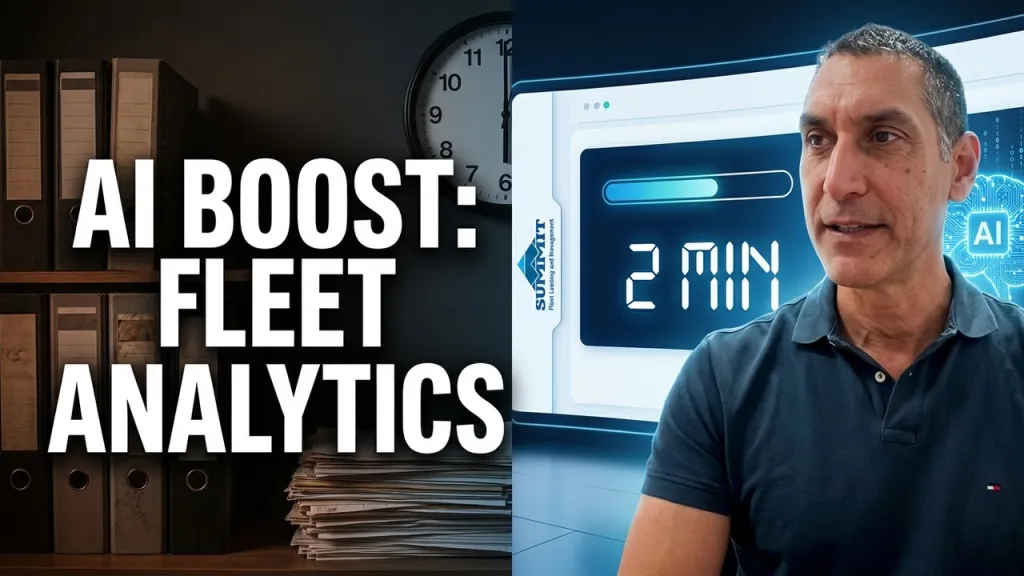
AI speeds fleet analysis while keeping managers at the centre
Summit Fleet Leasing and Management says its AI Fleet Insights platform can accelerate analysis of costs, utilisation and operational exceptions. Managing director Darren Gore argues that experienced fleet managers remain essential to frame questions, validate results and apply insights to decisions.

Samsung and Verizon complete AI-powered 5G ISAC trial
Samsung and Verizon completed an AI-powered integrated sensing and communications trial over commercial 5G infrastructure in Dallas. The vRAN-based system generated crowd-density heatmaps from radio signals without dedicated cameras, lidar or sensing hardware, demonstrating a potential foundation for 6G capabilities.

Geely opens pre-sales for 1,113hp Galaxy Zhanjian 700 SUV
Geely has opened pre-sales for its Galaxy Zhanjian 700 off-road SUV, reporting 43,900 refundable orders in its first hour. The plug-in hybrid features a tri-motor all-wheel-drive system, 47.14kWh LFP battery, 305km electric range and AI-assisted off-road functions.

Fatigue Science and Dot Transportation begin predictive fatigue pilot
Dot Transportation is piloting Fatigue Science’s Readi platform to predict driver fatigue risk before shifts and help supervisors plan interventions. The trial will assess how AI-generated fatigue insights can complement Samsara telematics and existing fleet safety processes.
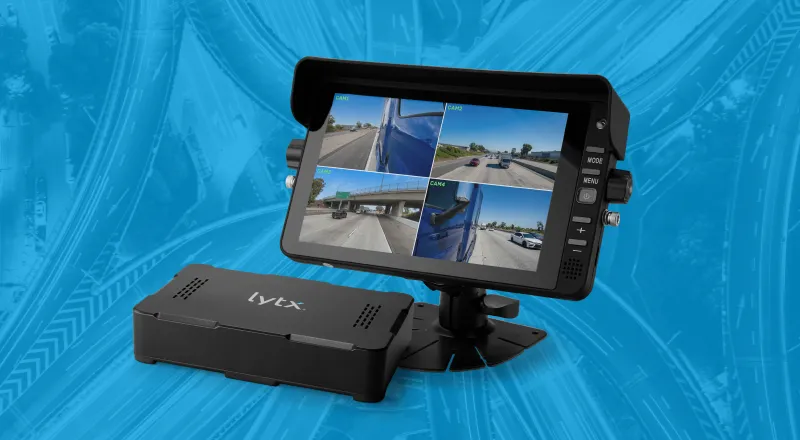
Lytx launches 360 Hub Kit for expanded fleet camera visibility
Lytx has launched a connected hub and HD auxiliary camera system supporting up to eight views around fleet vehicles. The LTE-enabled kit integrates footage in Lytx Cloud, with AI-powered pedestrian, object and blind-spot detection planned for winter 2026.
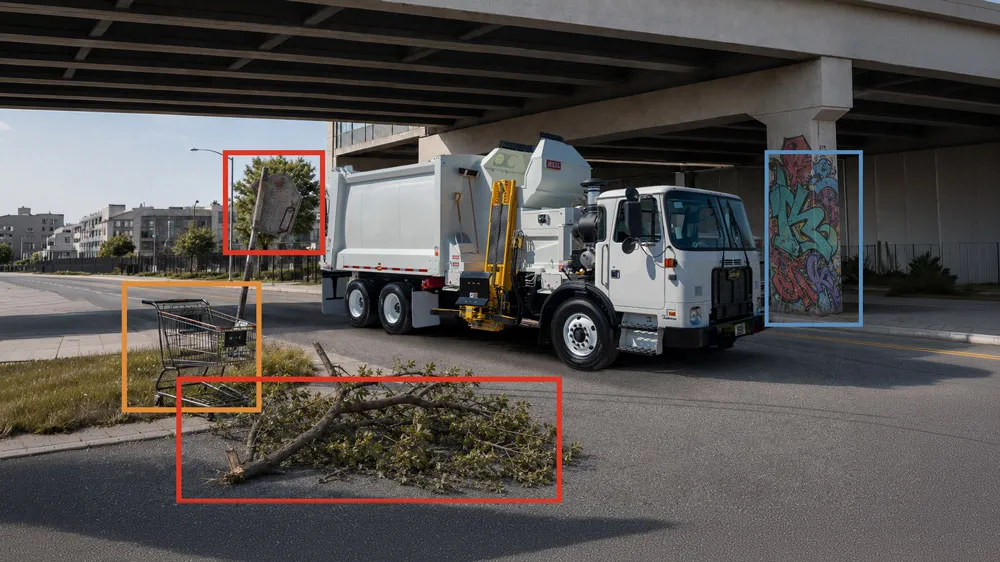
3rd Eye launches AI camera platform for municipal fleet operations
3rd Eye and City Detect have launched Connected City, an AI-powered camera and dashboard platform for municipal fleets. It uses refuse trucks to capture and analyse street-level conditions, helping US cities identify debris, graffiti, infrastructure issues and other community needs.

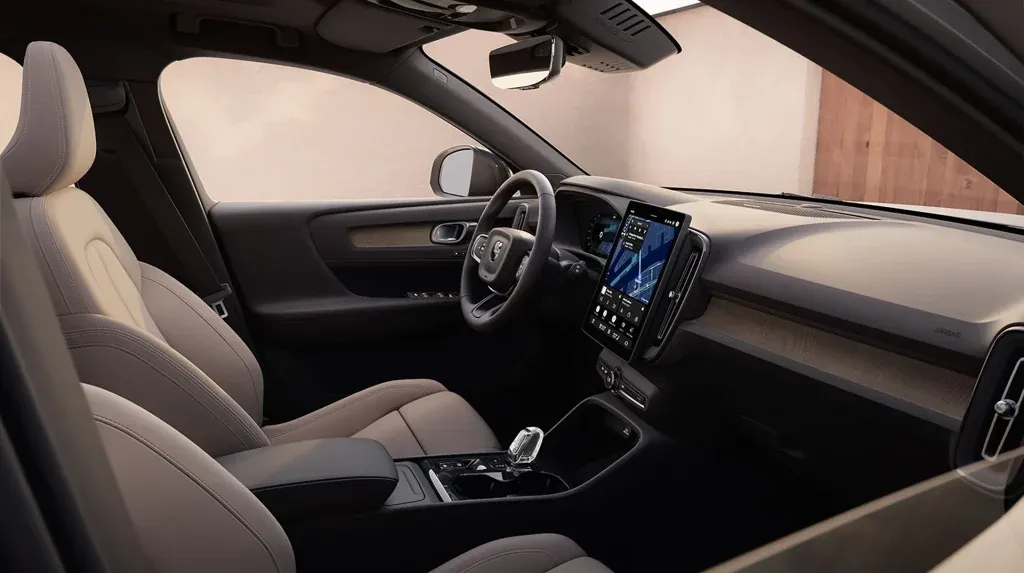
Volvo updates 40 series with enhanced driver assistance and AI
Volvo has upgraded its XC40, EX40 and EC40 models with new radar and camera hardware, enhanced driver-assistance functions including lane-change assist, Google Gemini AI and refreshed interiors. The electric EX40 and EC40 offer ranges of up to 575km and 585km respectively.
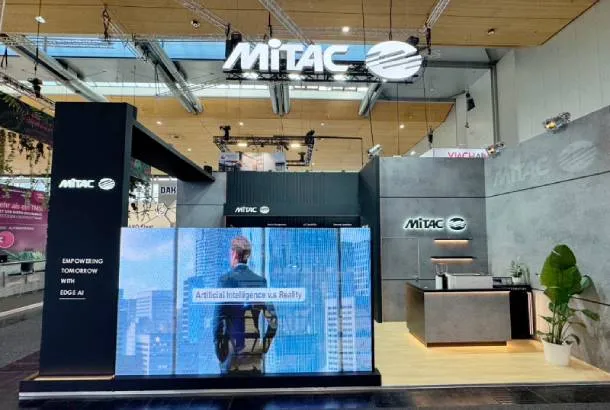
MiTAC to showcase 5G fleet telematics at IAA Transportation 2026
MiTAC will showcase 5G dashcams, rugged vehicle tablets and its VisionMax and RouteComplete fleet platforms at IAA Transportation in Hannover. The offering combines AI driver monitoring, multi-camera coverage, cloud video telematics and open APIs for telematics service providers.
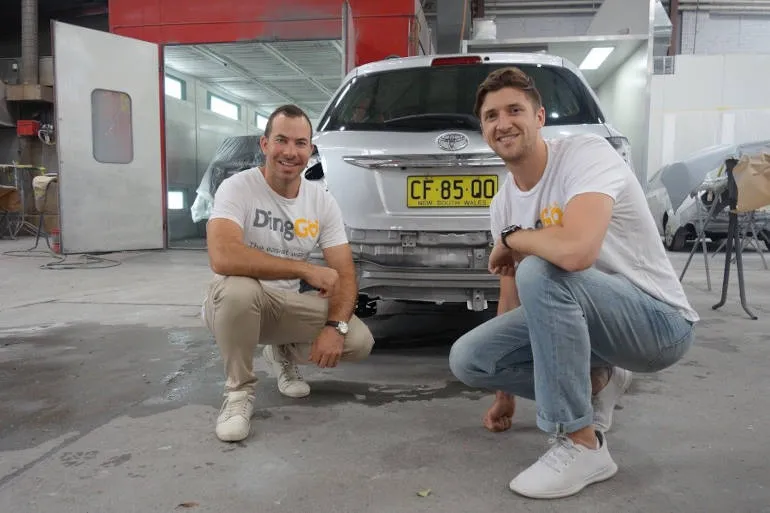
DingGo launches AI platform for motor claims and fleet cost control
DingGo has launched MotorClaimPro, an AI-powered platform for insurers, claims administrators and large fleets. It manages third-party claims, automates liability and document workflows, tracks cost leakage and integrates with existing claims and accounting systems.

Atsign and Intel report 88-fold encrypted edge-AI performance gain
Atsign and Intel have collaborated on a secure edge-AI solution for smart transportation, combining trusted identity management with Intel hardware security. They report encrypted agent-to-agent communication gains of up to 88-fold on Xeon processors and have published a supporting solution brief.

Motive secures more than $1.3bn to scale AI fleet platform
Motive has secured more than $1.3bn in growth financing from General Catalyst’s Customer Value Fund. The funding will advance its AI platform, expand go-to-market teams and extend services for organisations operating fleets and other physical operations.
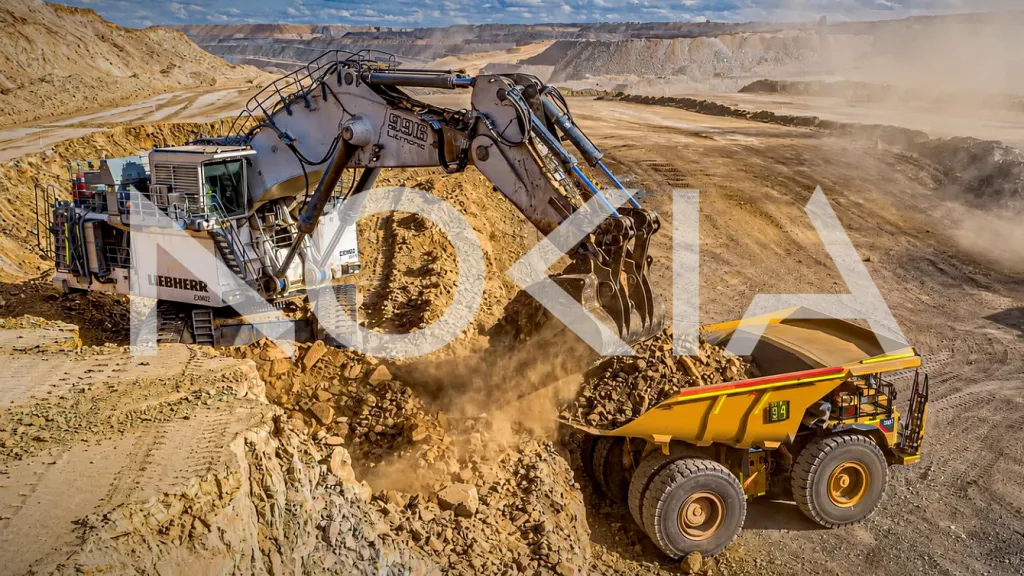
Nokia launches AI and edge-computing platform for mission-critical operations
Nokia has launched Cognitive Operations and the ruggedised Cognitive Edge Node, combining AI, multi-access connectivity and GPU-accelerated edge computing for mining initially, with public-safety and defence versions planned.
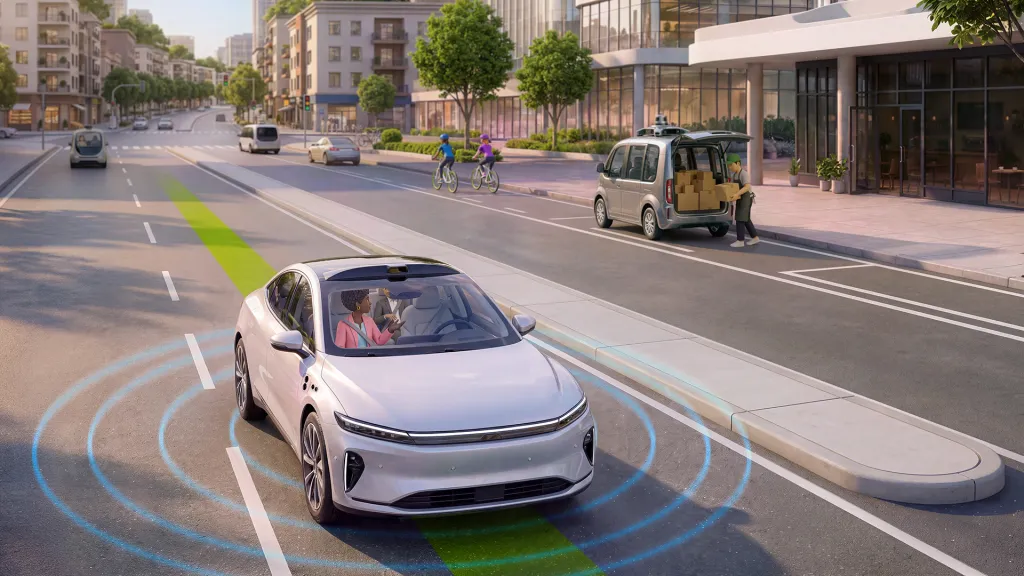
NVIDIA details robotaxi technology stack and global AV partnerships
NVIDIA outlines a three-computer robotaxi architecture covering AI training, simulation and in-vehicle processing, including DRIVE Hyperion and Thor systems. It also details collaborations with automakers, mobility providers and autonomous-driving developers to scale Level 4 services across Asia, Europe, the Middle East and North America.
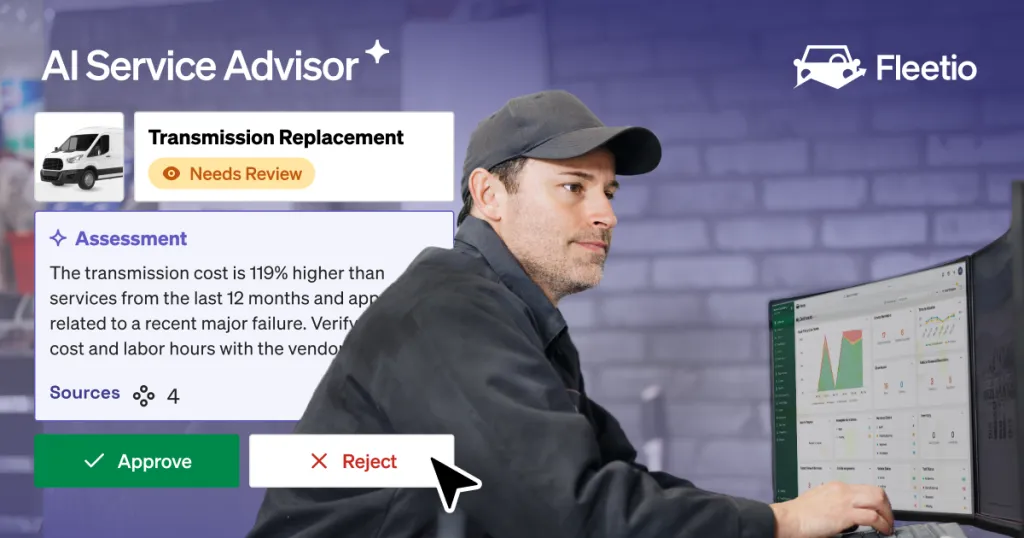
Fleetio launches AI Service Advisor for fleet maintenance
Fleetio has made its AI Service Advisor generally available, automating maintenance triage, work-order drafting, low-risk approvals and follow-up. The company says the tool helped fleets return vehicles to service 2.5 hours sooner per repair during its open beta.

Mercedes-Benz launches electric GLC with up to 350 miles of range
Mercedes-Benz has launched the electric GLC 400 4MATIC, featuring a 94-kWh battery, 800-volt architecture, 330-kW charging and up to 350 miles of EPA range. The vehicle introduces the company’s MB.OS software platform and AI-enabled MBUX system.
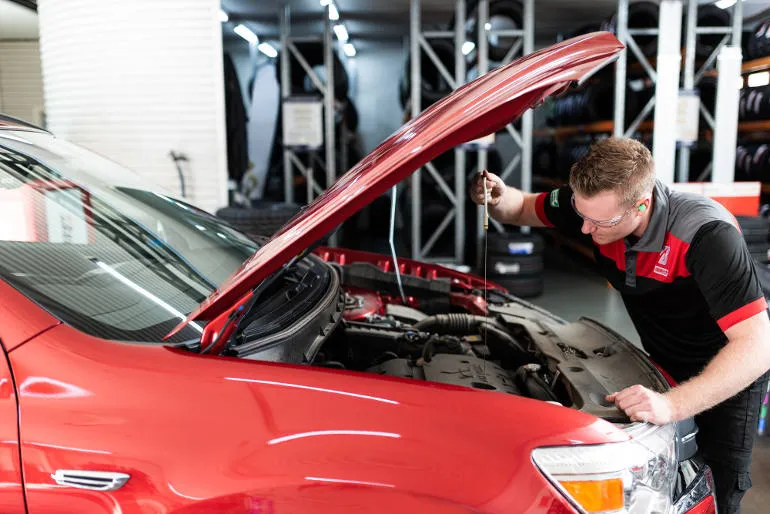
FleetGuru.ai expands digital maintenance platform for fleet managers
FleetGuru.ai is expanding its digital maintenance platform to fleet managers, connecting workshops, fleet management companies and customers. The platform supports work orders, approvals, payments and service bookings, with AI and machine learning used for automation, benchmarking and quote analysis.

Connex2X develops AI guidance to help truck drivers respond to alerts
Connex2X is developing conversational AI and connected workflows that turn truck diagnostics, crash alerts and vehicle data into actionable driver guidance, including incident-response prompts and vehicle-specific routing.

JustPark adds ChatGPT search for 150,000 UK parking spaces
JustPark has integrated its UK parking network with ChatGPT, allowing drivers to search live availability by location and time before completing bookings through its app or website. The integration uses the Model Context Protocol and is available now.

Swarco deploys AI motorcycle-speed signs in Swansea
Swarco has developed and begun rolling out AI-powered vehicle-activated signs for Swansea Council. Cameras, radar and thermal imaging identify motorcycles, display their speed and warn speeding riders in Welsh, supporting road-safety efforts at high-risk locations.
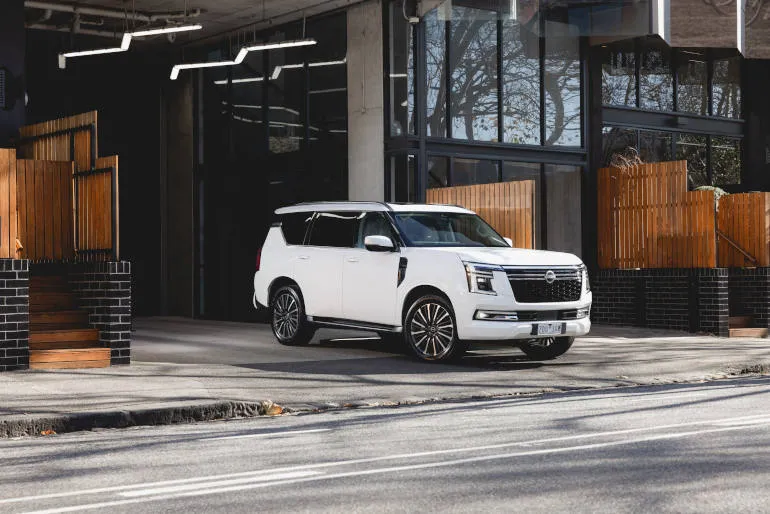
Nissan confirms Australian specifications for new-generation Patrol
Nissan’s Y63 Patrol will launch in Australia in early 2027 with a twin-turbo V6, increased 3,700kg towing capacity, revised chassis and six-grade range. Standard technology includes ProPILOT, trailer blind-spot warning, Google built-in and Gemini AI.
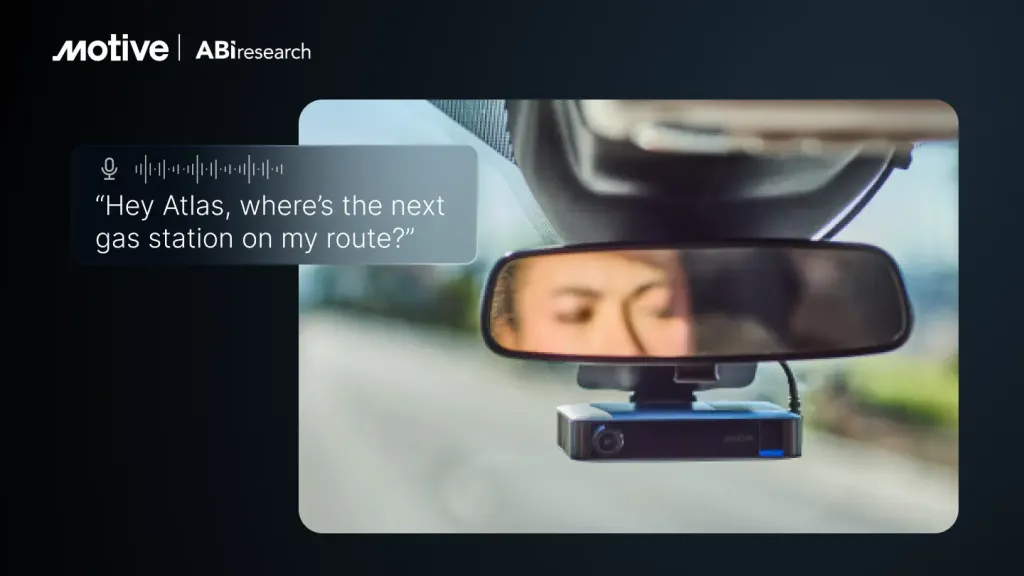
Motive expands AI tools for fleet and physical operations
An ABI Research report examines Motive’s Atlas assistant, Automations and Operations Intelligence updates, which combine telematics data, AI and computer vision to support safety monitoring, dispatch, maintenance and other operational workflows.

Lean Solutions Group acquires SupportZebra to expand AI-enabled outsourcing
Lean Solutions Group has acquired SupportZebra, adding more than 1,300 employees and expanding its Philippine operations. The deal brings outsourced support capabilities and customers onto LSG’s LeanTek AI and workflow-automation platform, supporting growth beyond logistics.

Aston Martin explores AI’s role in Formula 1 racing and operations
Aston Martin F1 is using AI and machine learning to analyse telemetry, simulations, driver performance and tyre data, supporting race strategy and vehicle development. The team discussed these applications at its inaugural AMR Technology Forum in Silverstone.

AI digital twins help cities model street-level pollution and traffic responses
EU-funded MODELAIR researchers are developing AI-powered 3D digital twins that combine sensor data, simulations and weather forecasts to predict street-level pollution in real time. Trials in Brussels, Madrid and Bristol will support traffic planning, monitoring and local pollution controls.

Fleet professionals outline practical ways to apply AI to everyday tasks
Fleet professionals describe using AI for first-pass reviews, recurring reports, reminders and vendor updates. The guidance stresses repeatable workflows, source checking and human oversight rather than removing managers from decision-making.

SenSen secures US patent for AI urban positioning system
SenSen Networks has secured a US patent for Environmental Mapping Technology, which uses vehicle camera imagery and AI to correct GPS errors in dense urban areas. The system supports accurate positioning for SenFORCE mobile enforcement vehicles.
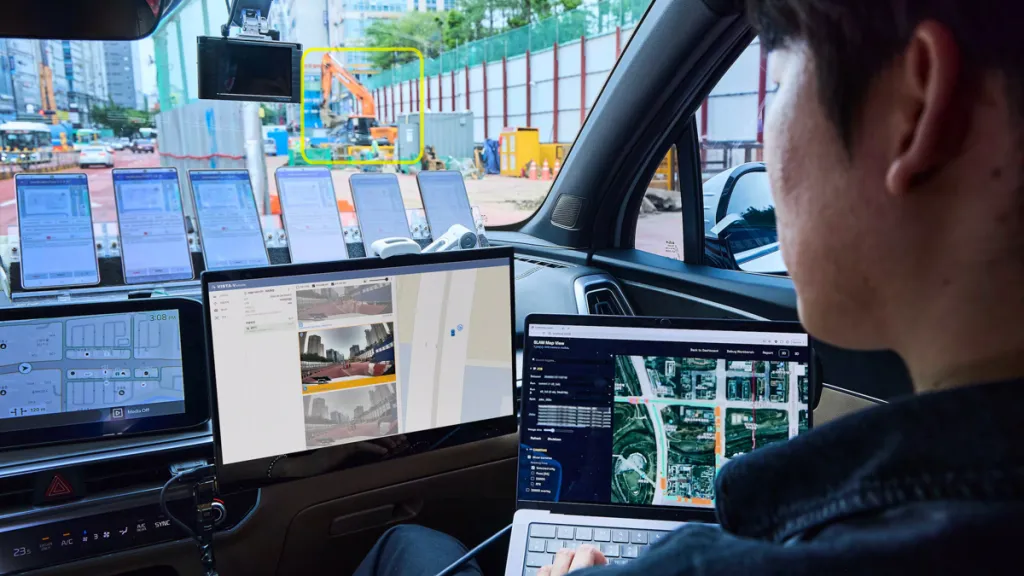
SK Telecom commercialises AI inspection system for work vans
SK Telecom has commercialised Topdda, which uses cameras, GPS and onboard processing to inspect wireline infrastructure from technicians’ work vans. A six-vehicle South Korean pilot achieved 88% detection accuracy, with expansion to about 150 vehicles planned next year.
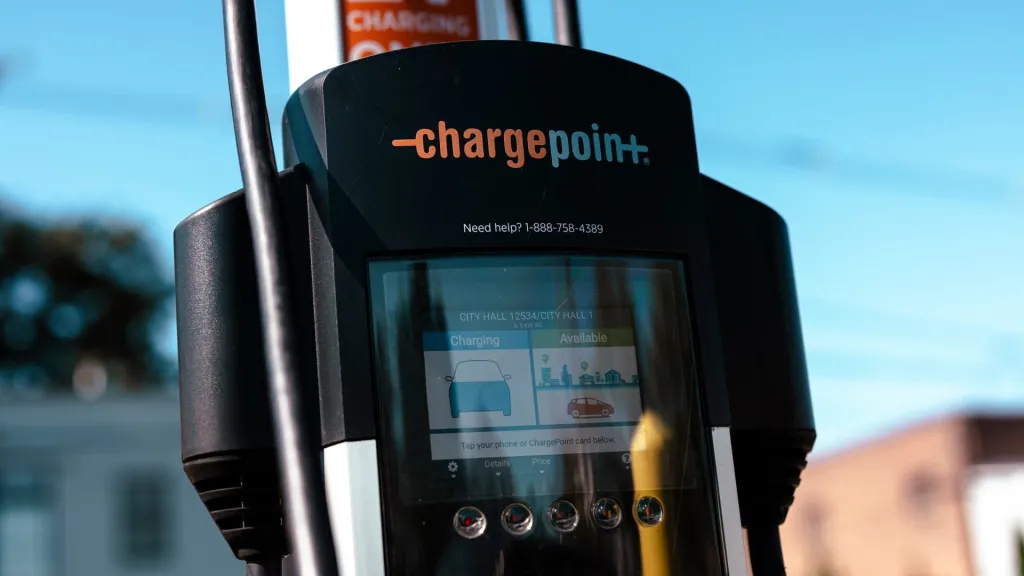
ChargePoint reports quarterly beat as CEO forecasts continued growth
ChargePoint reported $116.1m in quarterly revenue, beating expectations, while its CEO forecast further growth from new charging products and technology. The company is rolling out faster chargers in Europe and next-generation Level 2 and Level 3 products in the US.

Fleet manager uses generative AI to create engaging safety training
Marimor Industries transportation manager Joe Lewis used generative AI to turn established driver-safety messages into songs and music videos. The experiment improved immediate engagement, but highlighted the need for human verification and decision-making when AI is used in fleet training.
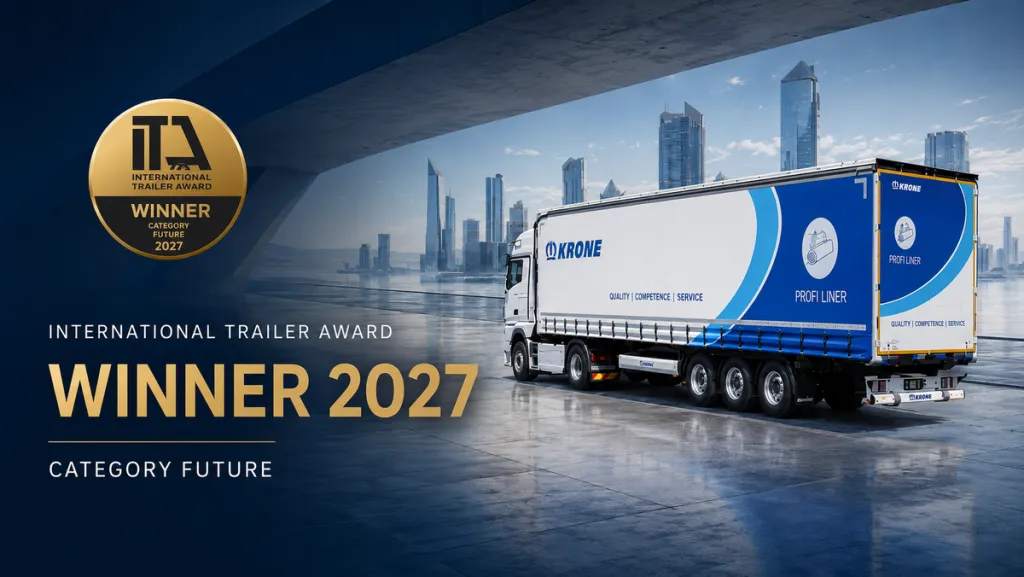
KRONE wins 2027 trailer award for AI-powered health service
KRONE’s TrAIler Health has won the 2027 International Trailer Award. The AI-supported service consolidates tyre, braking, telematics and subsystem data into a trailer health status, with expert validation and recommended actions to improve uptime and maintenance planning.
AGL GSoC projects target AI cameras, Bluetooth and LiDAR perception
Automotive Grade Linux’s 2026 Google Summer of Code projects include an AI-enabled multi-camera backup system, a modern BlueZ Bluetooth integration and ROS2-based simulated LiDAR perception using CARLA and embedded hardware.
Fleet managers urged to add operational context to AI prompts
A fleet guidance article explains how managers can improve AI analysis by specifying vehicle applications, duty cycles, mileage, payload and business priorities. It stresses separating facts from assumptions, checking calculations and verifying specifications, regulations and safety recommendations.

Fleet managers use AI to build in-house software tools
Fleet professionals are using generative AI and natural-language prompts to build tools for vehicle specification, replacement analysis, assignment, total-cost calculations and condition checks, reducing development time while retaining human oversight of data and decisions.

Renesas and Autoware partner on scalable ADAS and autonomous-driving software
Renesas has joined the Autoware Foundation’s highest membership tier, bringing its open-source AI driving stack to R-Car and RoX platforms. The collaboration targets production-ready systems ranging from entry-level L2 ADAS to hands-free L2++ and driverless L4 applications.

Mercedes-Benz upgrades C-Class with electrified powertrains and AI
Mercedes-Benz has unveiled a comprehensively upgraded C-Class Saloon and Estate, adding plug-in hybrid capability, expanded driver assistance, MB.OS software and an AI-powered MBUX Virtual Assistant. The update is aimed partly at fleet operators and includes up to 100km of electric range.

Geely launches AI-powered off-road technology for Zhanjian 700
Geely has launched an AI-powered off-road technology suite combining a new vehicle architecture, 830kW triple-motor hybrid powertrain and digital chassis. The Zhanjian 700 will be the first model to use it; pricing and launch timing remain undisclosed.
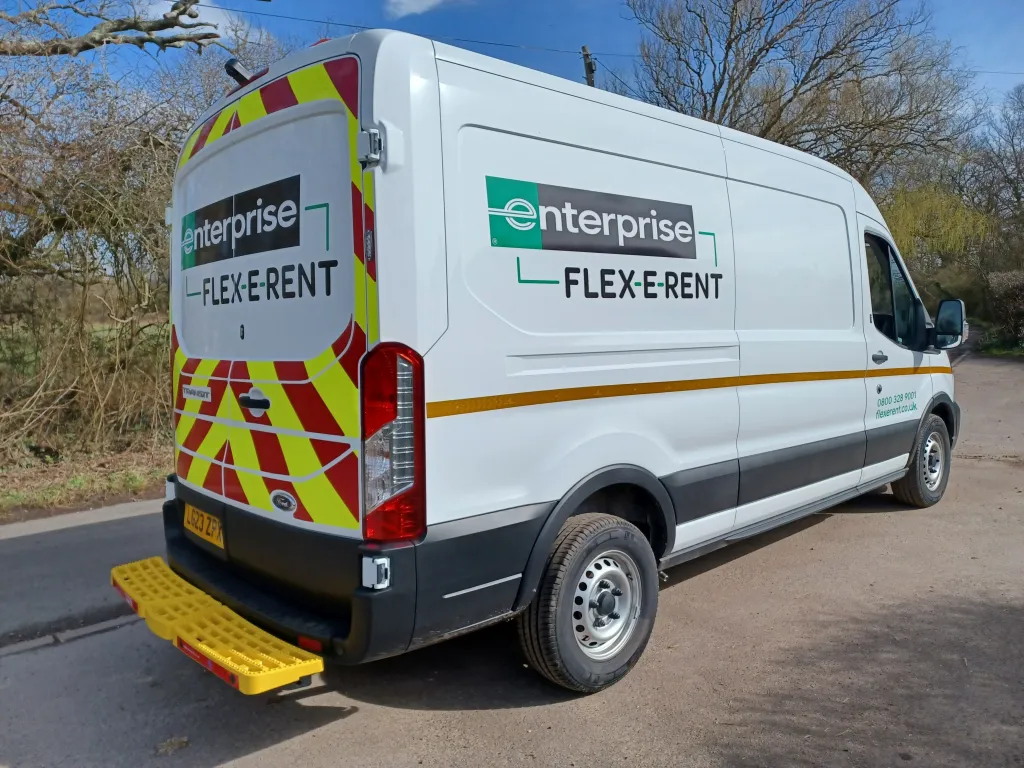
Enterprise Flex-E-Rent expands connected safety technology across 100-van fleet
Enterprise Flex-E-Rent has expanded a four-year SureCam partnership beyond front and rear dashcams across its 100-vehicle mobile service fleet. The connected ecosystem now includes lone-worker support from Peoplesafe and AI-enabled fleet decision-making through Optimize, serving operations in the UK and Ireland.

IBTTA chief outlines safer roads and seamless vehicle-based tolling
IBTTA CEO Mark Chung discusses AI-enabled incident detection, connected infrastructure and vehicle-based payments for tolling and road-user charging, alongside safety initiatives and case studies from US toll operators.
AI platform uses real-world fuel data to support fleet vehicle choices
Summit Fleet Leasing and Management demonstrated AI Fleet Insights comparing fuel consumption across more than 1,400 Ford Ranger and Toyota HiLux vehicles. The platform highlights consumption differences, outliers and regional patterns to inform specification, replacement and operating decisions.

Xiaomi unveils 3nm intelligent-driving chip for autonomous systems
Xiaomi has unveiled the Xring D100, China’s first 3nm intelligent-driving chip. The 20-core processor and 16-core NPU are claimed to deliver 700–1,000 TOPS, but the chip still requires automotive certification and validation before deployment in an unspecified model.

Fleet AI’s next step depends on trusted operational data
FleetGuru.ai’s Eden Shirley says AI will move beyond personal productivity when fleets connect trusted vehicle, maintenance, sales and accounting data. Controlled systems could automate tasks such as servicing approvals, while suppliers are expected to deliver the early operational benefits.

Porsche signs $1.5bn AI deal and agrees to sell MHP to TCS
Porsche has signed a five-year, €1.25bn AI contract with Tata Consultancy Services, which will acquire Porsche’s IT consultancy MHP for €320m. The deal aims to scale AI across Porsche while supporting its German-market and profitability strategy.

TransCore to modernise Tampa roadside toll collection system
TransCore has been selected to replace Tampa-Hillsborough Expressway Authority’s roadside tolling system on the 18-mile Selmon Expressway. The project will deploy AI-enabled vehicle classification, tracking and licence-plate recognition, alongside credential-based tolling technology.

Summit uses AI to turn fleet accident data into safety actions
Summit Fleet Leasing and Management is using its AI Fleet Insights platform to analyse claims, identify risk patterns and recommend targeted actions such as driver coaching, policy changes and operational interventions.
AI-enabled logistics system coordinates infrastructure deliveries in Victoria
Select Plant Australia is using a delivery-management system with AI-enabled cameras and ANPR to coordinate site access, detect hazards and assess contractor compliance on a Victorian infrastructure project. The system has processed more than 51,000 access events.

Australian fleet award finalists use telematics to improve safety
Townsville City Council, CV Services and Elite Group are using telematics, driver-risk reporting, real-time alerts and AI detection to improve safety across diverse Australian fleets, linking data to coaching, incident reporting and corrective action.