
Autonomous Vehicles News, Analysis and Market Intelligence
SearchTrack autonomous vehicles news alongside market analysis, provider activity, and connected mobility intelligence from PAVE Insight.

ITS World Congress previews South Korea’s connected and autonomous mobility projects
The 2026 ITS World Congress in Gangneung will showcase South Korea’s mobility initiatives, including Seoul’s permanent autonomous night-bus service, Gangneung’s transport-control centre and demand-responsive buses, and projects planned across the country.
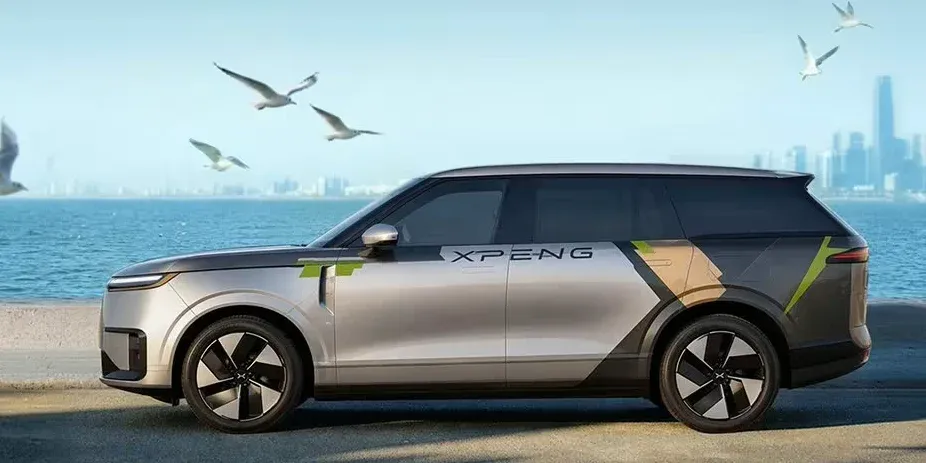
Xpeng opens invitation-only Yoyo robotaxi pilot in China
Xpeng has opened its Yoyo robotaxi service to invited users in China after more than 2,200 employee trial rides. The Level 4-capable GX-based vehicle uses the company’s VLA 2.0 system; Xpeng has not disclosed fleet size or a date for public service.
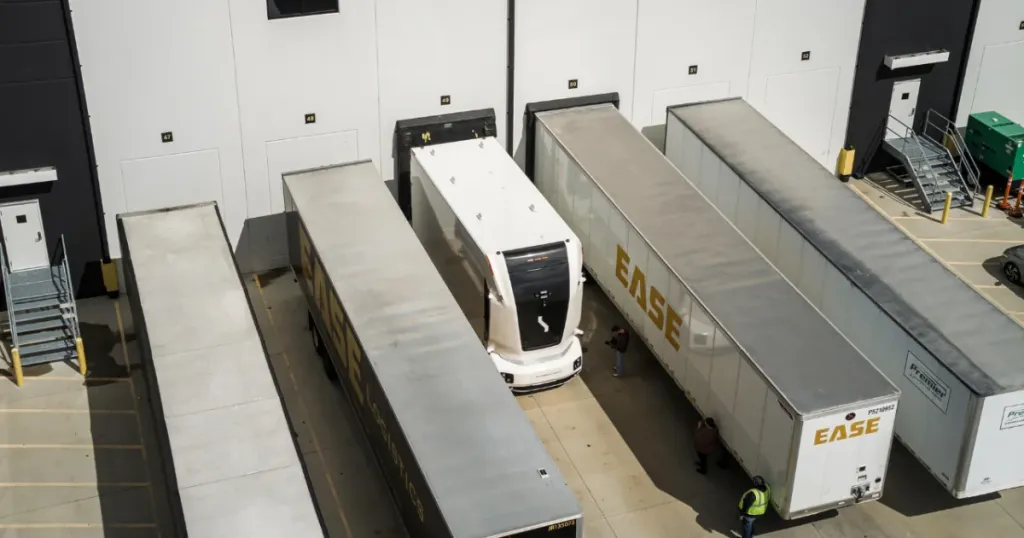
Einride begins daily driverless electric truck operations in Ohio
Two SAE Level 4 electric trucks have begun daily freight runs for EASE Logistics in Marysville, Ohio. The companies will use operational data on safety, reliability, efficiency and uptime to inform possible expansion.
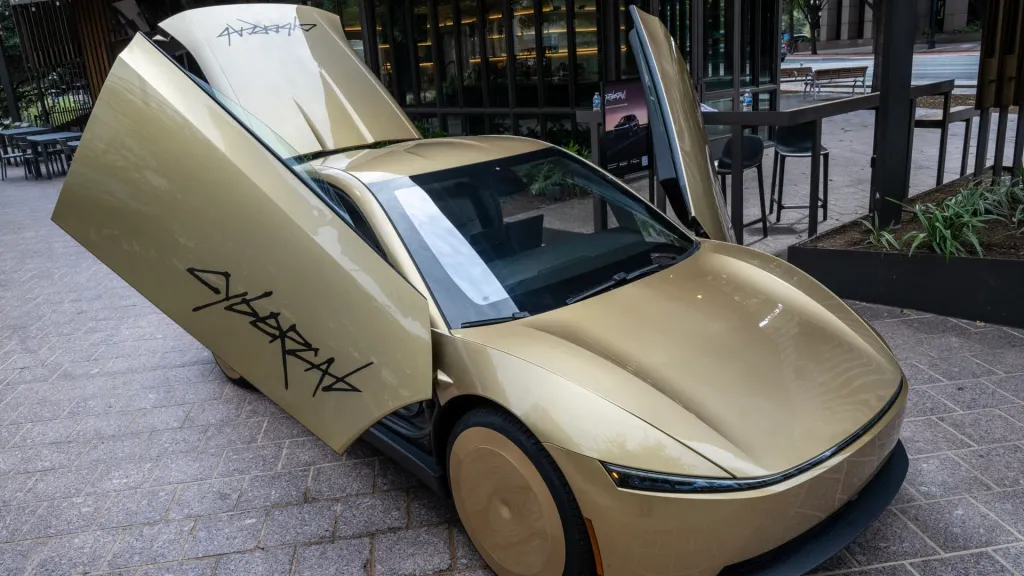
Tesla’s Cybercab fleet grows in Texas as expansion challenges emerge
A month after its Austin launch, Tesla had 169 Cybercabs authorised for commercial use in Texas, up from 45. Passenger complaints, technical issues and a federal safety inquiry could complicate plans to expand the driverless ride-hailing service.

Rossant highlights AI and autonomy in fleet operations
CoMotion founder John Rossant says AI and the energy transition are reshaping fleet operations, with AI moving towards integrated systems that take action. He also points to links between electrification and autonomy in Europe and growth in autonomous mobility in the Middle East.

UNECE adopts global regulation for automated driving systems
A UNECE regulation adopted in June 2026 creates a common framework for automated driving systems spanning SAE Levels 3–5. It sets requirements for manufacturers’ safety management and vehicle assessment; first type-approved vehicles could emerge in late 2027 or 2028.

Four countries join Europe’s autonomous-vehicle testbed initiative
Portugal, Slovakia and Norway signed a declaration to join Europe’s cross-border autonomous-vehicle testbed initiative. Spain joined last week, bringing participation to 22 countries.
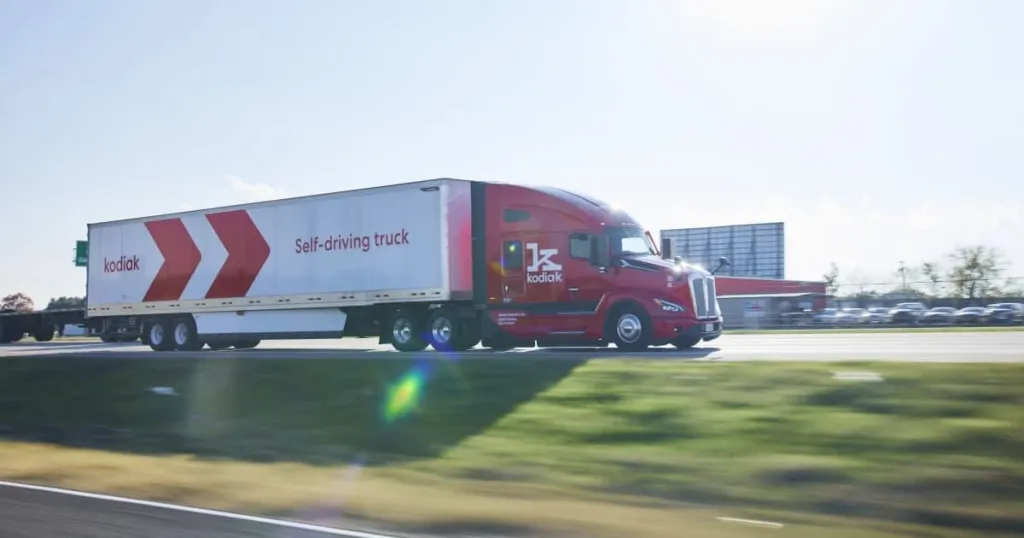
Kodiak plans driverless Dallas–Houston freight service by end of 2026
Kodiak says its trucks are completing the 219-mile I-45 route without a safety observer intervening. The company plans to launch driverless freight service between Dallas and Houston by the end of 2026; its long-haul safety case was 93% complete at the end of August.
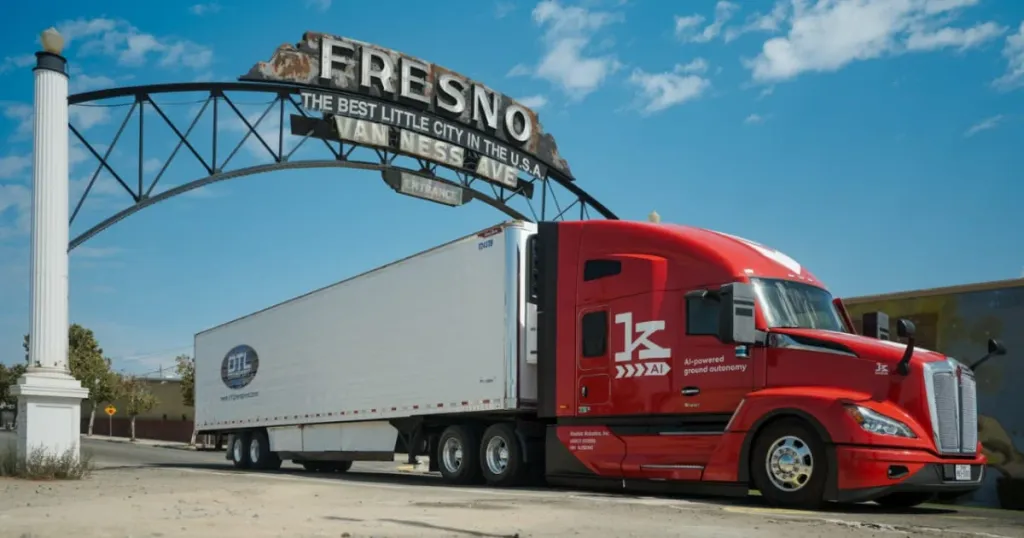
Kodiak and DTL begin autonomous-truck produce pilot in California
Kodiak AI and DTL Transport began a pilot on 22 September, hauling produce from Fresno to Los Angeles in an autonomous truck with a safety driver. The companies will assess transit times, shipping costs and produce shelf life; the permit does not allow driverless testing.
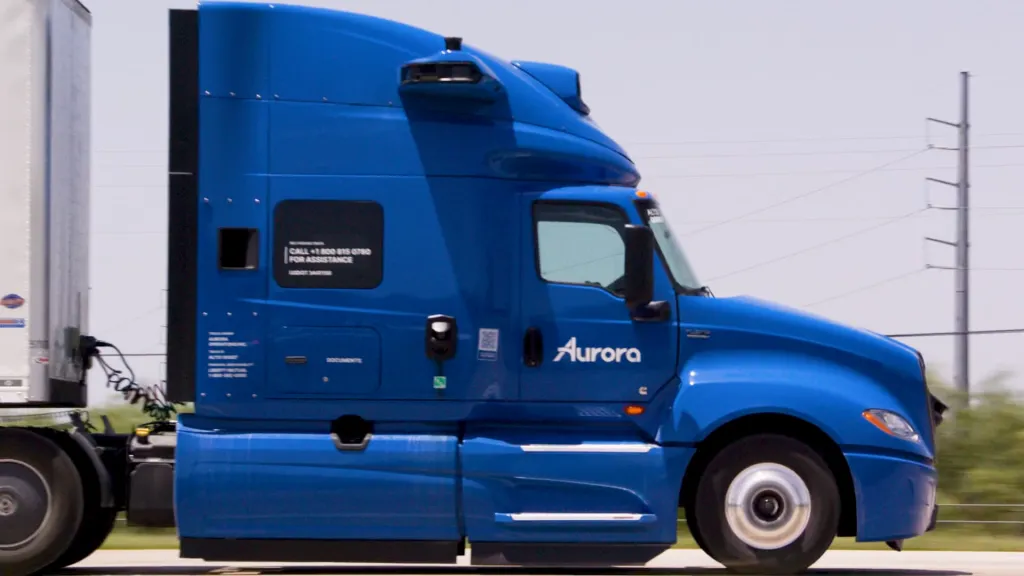
Aurora targets 200 driverless trucks and profitability by 2028
Aurora Innovation is operating 20 driverless semitrucks on Texas routes and plans to expand its autonomous fleet to 200 by year-end. The company is targeting positive free cash flow by 2028 as it develops a per-mile driverless trucking service.
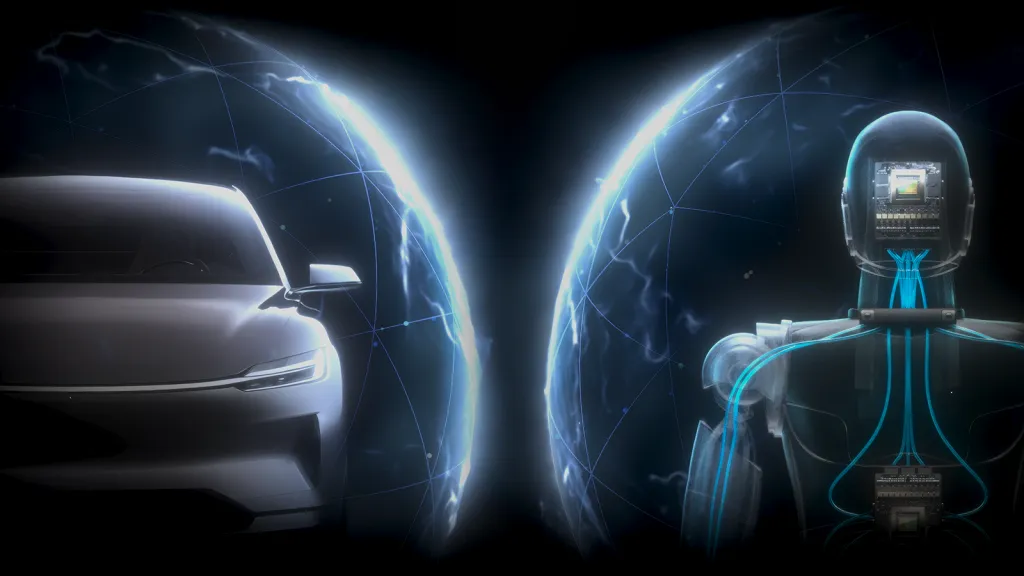
NVIDIA details Halos safety system for autonomous vehicles and robotics
NVIDIA outlines its Halos full-stack safety system for physical AI, combining safety-engineered hardware, software, simulation and validation for autonomous vehicles and robots. The company also details partner integrations and independent assessments supporting certification readiness.
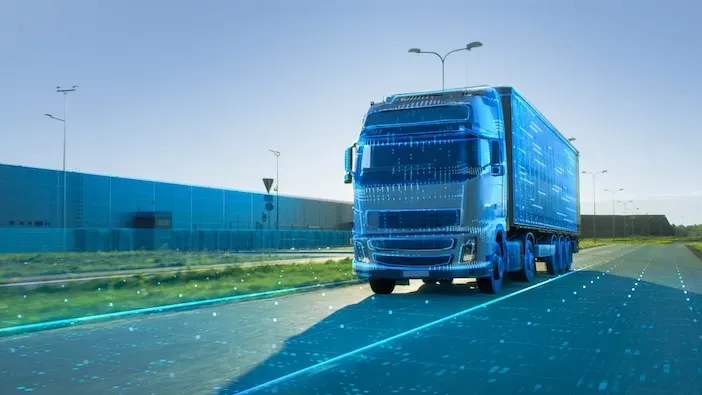
PrePass and Kodiak integrate driverless trucks with roadside checks
PrePass and Kodiak AI are integrating enhanced inspection data from Kodiak’s driverless trucks into existing state roadside screening systems, beginning in Texas and Louisiana. The collaboration supports Kodiak’s planned US public-road driverless truck launch by the end of 2026.

Germany authorises cab-less Level 4 autonomous truck for daily logistics
Einride and Lidl are operating Germany’s first cab-less SAE Level 4 autonomous truck on public roads under a KBA permit. The vehicle transports goods between Lidl facilities, with plans to expand the route and consider further Schwarz Group deployments.
Zagreb begins passenger testing of fully driverless robotaxis
Verne and Pony.ai have begun Level 4 robotaxi test rides without onboard safety staff on Zagreb public roads. Vehicles cover a 22-kilometre route to Franjo Tuđman Airport, supporting validation of remote supervision and future commercial driverless services.
Digital twins support CCAM pilots across four European cities
Horizon Europe project FRODDO is using digital twins to test connected and automated mobility applications, including traffic-management simulation, early warnings, demand prediction and autonomous tow-truck monitoring across pilots in Ljubljana, Athens, Modena and Bursa.
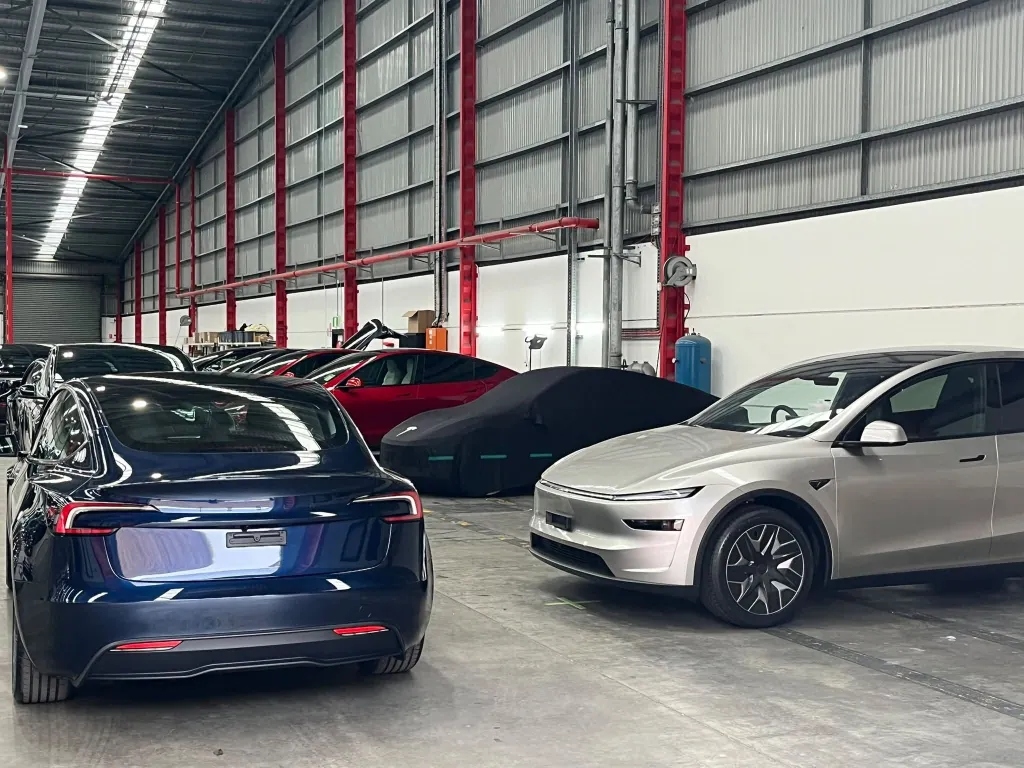
Tesla Cybercab spotted ahead of potential Australian showcase
A Tesla Cybercab has been spotted under wraps at the company’s Sydney showroom, apparently ahead of a possible Australian showcase. The fully automated two-seater has previously been tested in the US and New Zealand, with production reportedly beginning in April 2026.
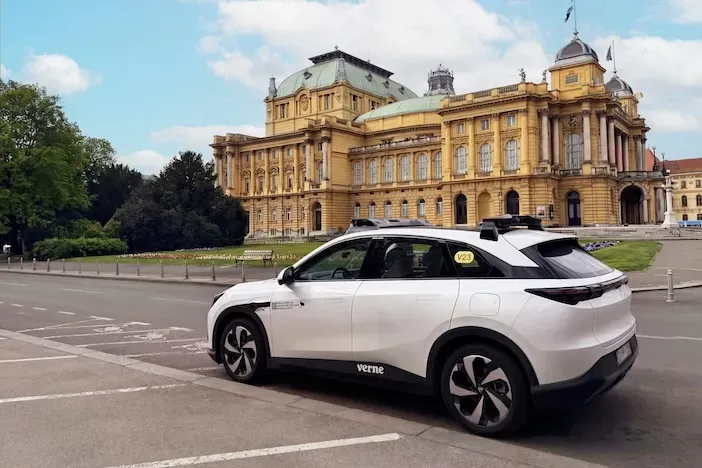
Pony.ai and Verne begin fully driverless robotaxi tests in Zagreb
Pony.ai and Verne have begun passenger-carrying, fully driverless robotaxi tests on public roads in Zagreb, using Pony.ai’s Level 4 technology. The trials cover a 22-kilometre route and are being conducted under Croatian regulatory approvals.
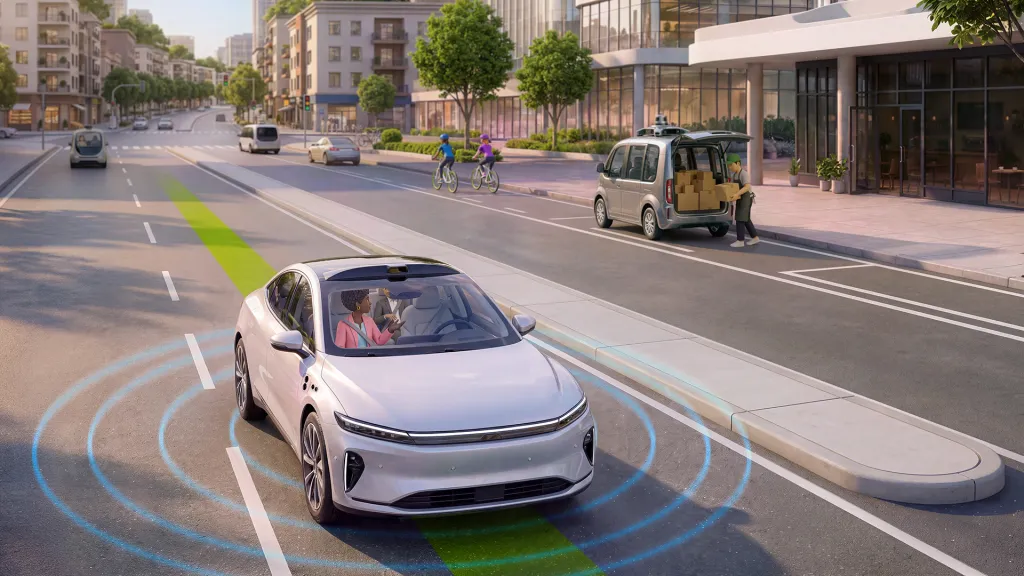
NVIDIA details robotaxi technology stack and global AV partnerships
NVIDIA outlines a three-computer robotaxi architecture covering AI training, simulation and in-vehicle processing, including DRIVE Hyperion and Thor systems. It also details collaborations with automakers, mobility providers and autonomous-driving developers to scale Level 4 services across Asia, Europe, the Middle East and North America.
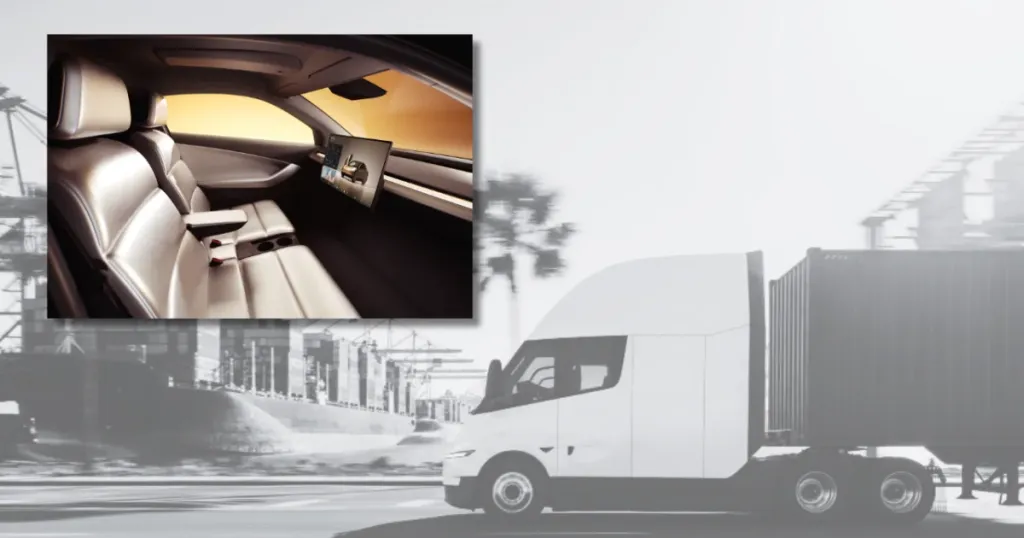
Tesla targets autonomous Semi as camera-only approach faces scrutiny
Tesla expects to demonstrate a self-driving Semi by late 2026 or early 2027, prompting debate over whether its camera-based system can safely operate an 80,000-pound truck at highway speeds. The article examines competing sensor strategies and the regulatory challenges facing autonomous trucking.
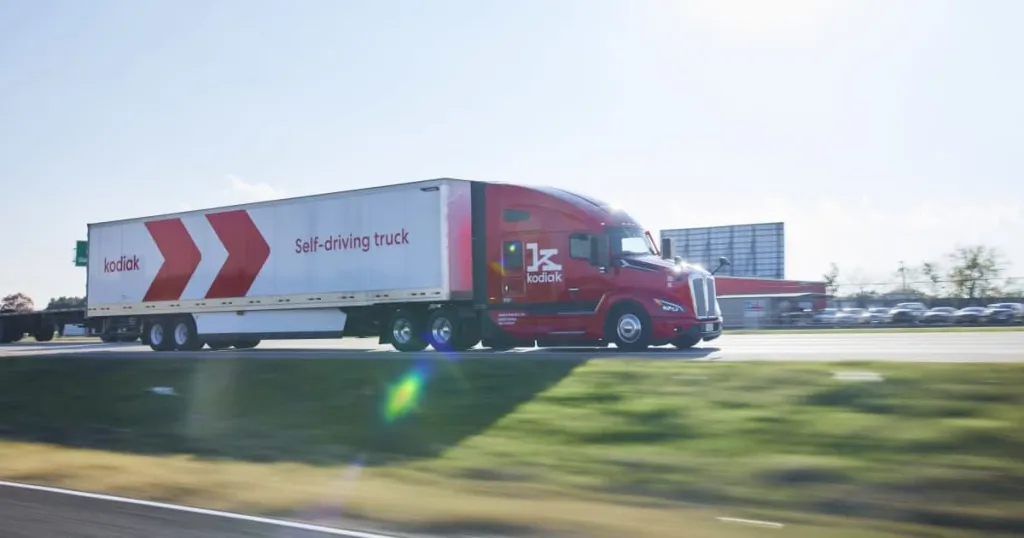
Kodiak says driverless long-haul truck operations remain on track for 2026
Kodiak AI says its long-haul autonomous-trucking safety case is 93% complete and remains on track for commercial driverless operations by the end of 2026. The remaining work centres on engineering verification and validation.
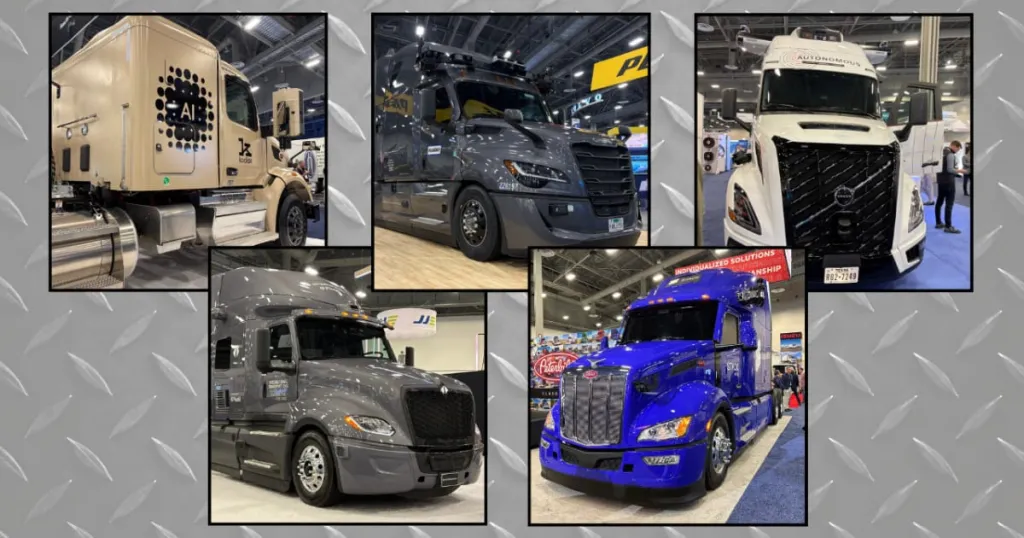
US DOT outlines regulatory strategy for driverless trucks
The US Department of Transportation has published a 2026–2030 automated-vehicle strategy covering planned rules for driverless commercial vehicles, safety standards, hazmat operations and more consistent interstate deployment.
EU plans cross-border testbed for automated mobility deployment
The European Commission plans a large-scale cross-border testbed to support commercial deployment of fully automated vehicles across Europe, initially focusing on public transport, freight and logistics. The initiative aims to harmonise deployment and provide greater certainty for industry.

Tesla expands driverless Cybercab rides in Austin amid safety review
Tesla says users can book driverless Cybercab rides within a geofenced area of Austin. The update disappointed investors, while US regulators opened an audit query into whether the vehicle was properly self-certified for public-road use.
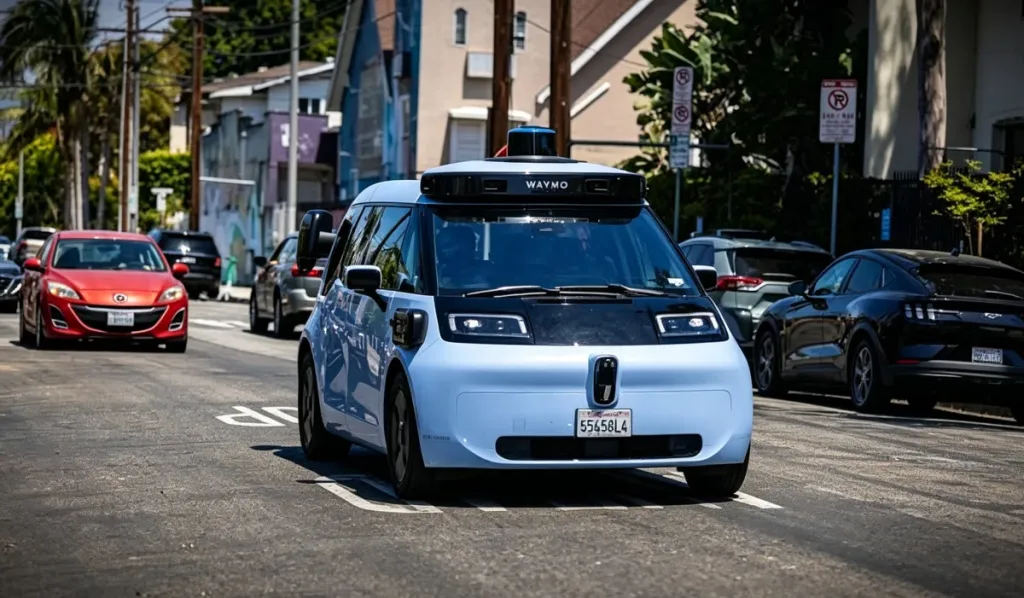
Waymo expands US driverless service with Zeekr-built Ojai robotaxis
Waymo has launched public driverless ride-hailing in Denver, San Diego and Tampa, taking its US operating footprint to 14 cities. The Zeekr-built electric Ojai is being integrated with Waymo’s autonomous systems in Arizona, with more than 3,200 chassis imported for the programme.
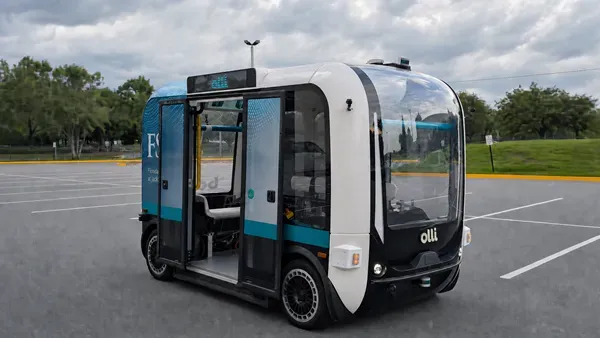
Guident and FSCJ launch autonomous-vehicle operations training programme
Guident and Florida State College at Jacksonville have launched a programme training students in remote monitoring, assistance, analytics and safety workflows for autonomous vehicles. FSCJ will also host Guident’s sixth global Remote Monitor and Control Center.
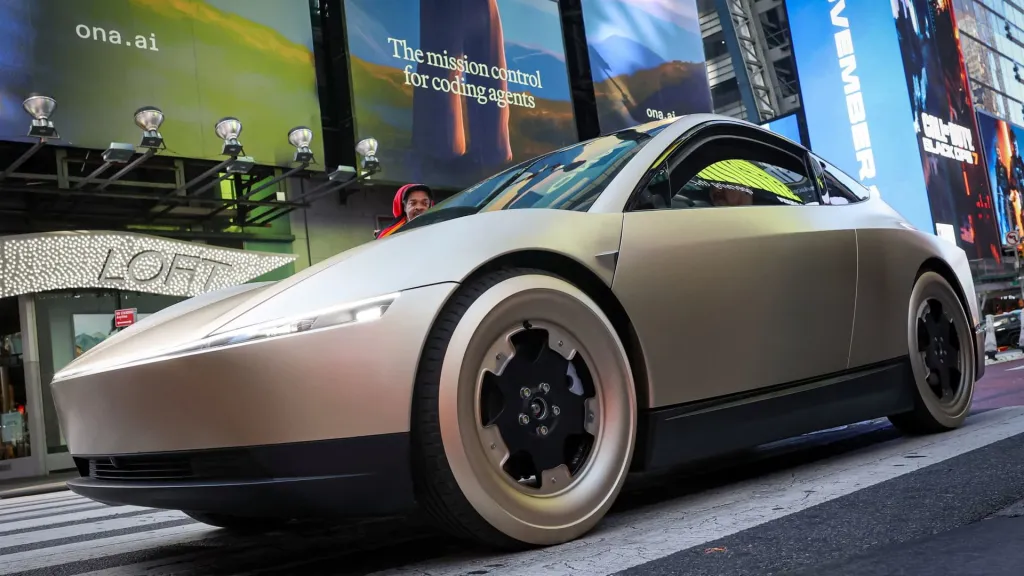
Tesla teases driverless Cybercab update ahead of Austin event
Tesla has teased an update on its driverless, two-seat Cybercab robotaxi ahead of an Austin event. Vehicles without steering wheels or pedals have been seen operating on public streets in Texas, while the company prepares to expand its autonomous fleet.
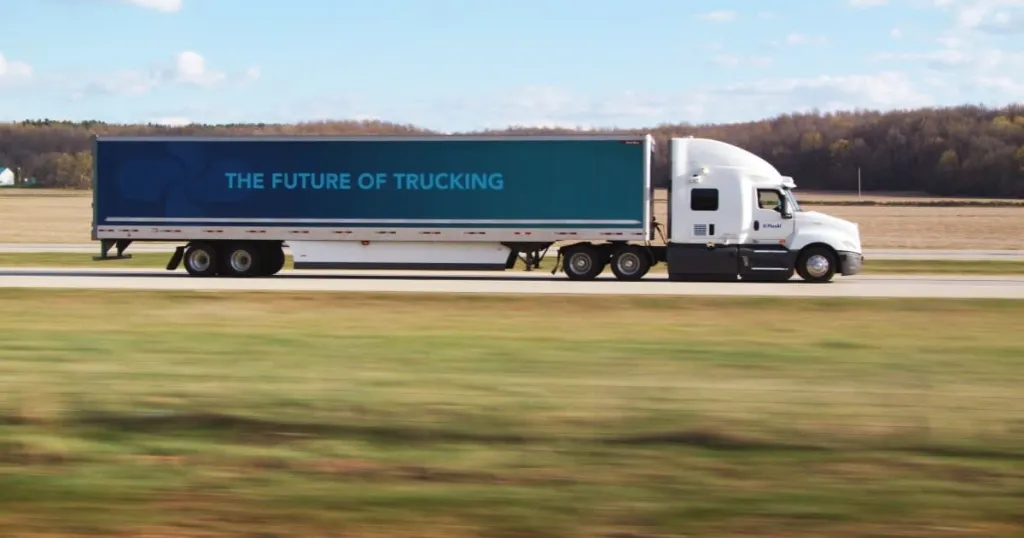
PlusAI targets 2027 autonomous truck launch with up to $300m SPAC funding
PlusAI has agreed to merge with Texas Ventures Acquisition III in a deal that could provide up to $300m for its Level 4 autonomous heavy-truck programme. The funding is intended to support OEM integration and a factory-built truck launch targeted for 2027.
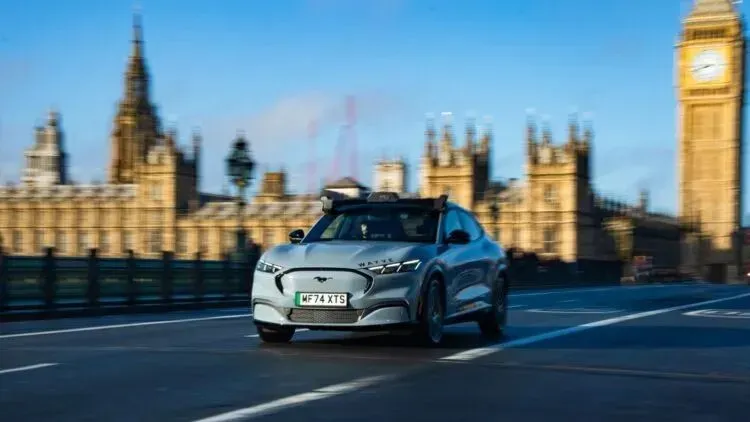
Wayve starts robotaxi service in London with 15 Ford Mustang Mach-Es
Wayve has begun a London robotaxi service using 15 Ford Mustang Mach-E vehicles. The cars operate across London but not at airports, while safety drivers remain pending audits, permits and Transport for London consent.
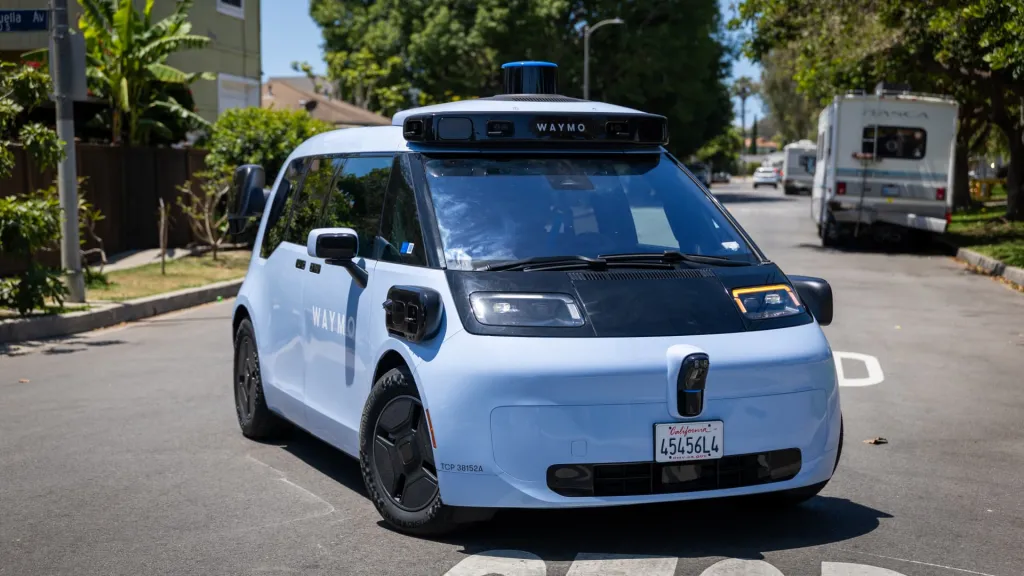
Waymo expands robotaxi service as Zoox adds US testing cities
Waymo has launched driverless commercial rides in San Diego, Tampa and Denver, while Zoox plans testing with safety drivers in Houston and San Diego. The moves expand both companies’ US autonomous-vehicle operations ahead of Tesla’s planned robotaxi update.

Renesas and Autoware partner on scalable ADAS and autonomous-driving software
Renesas has joined the Autoware Foundation’s highest membership tier, bringing its open-source AI driving stack to R-Car and RoX platforms. The collaboration targets production-ready systems ranging from entry-level L2 ADAS to hands-free L2++ and driverless L4 applications.
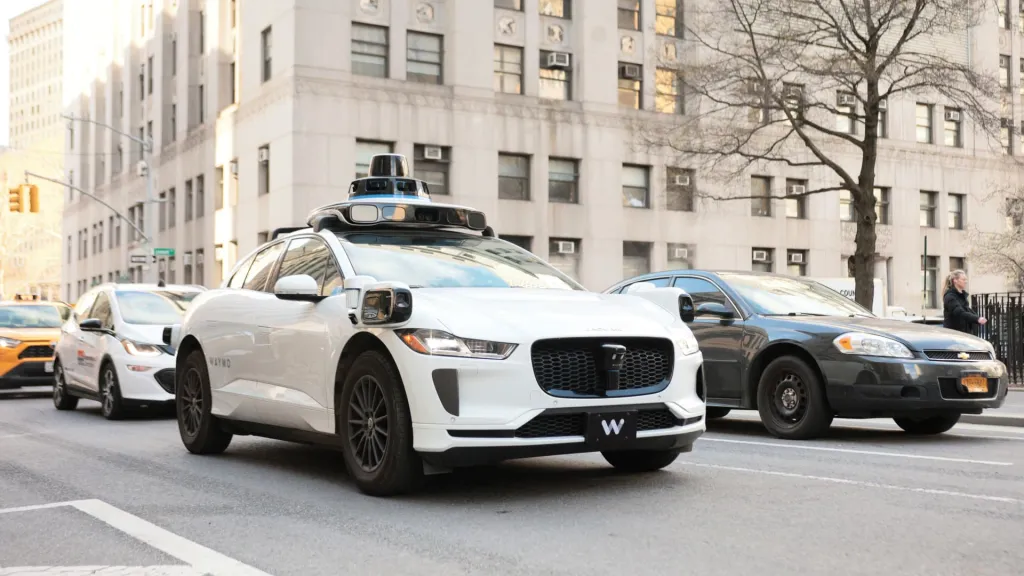
Waymo plans driverless rides in Germany from 2027
Waymo will begin phased robotaxi testing in Munich within weeks, targeting a public launch by the end of 2027. The German operation would be its first EU market and third international city, following London and Tokyo.
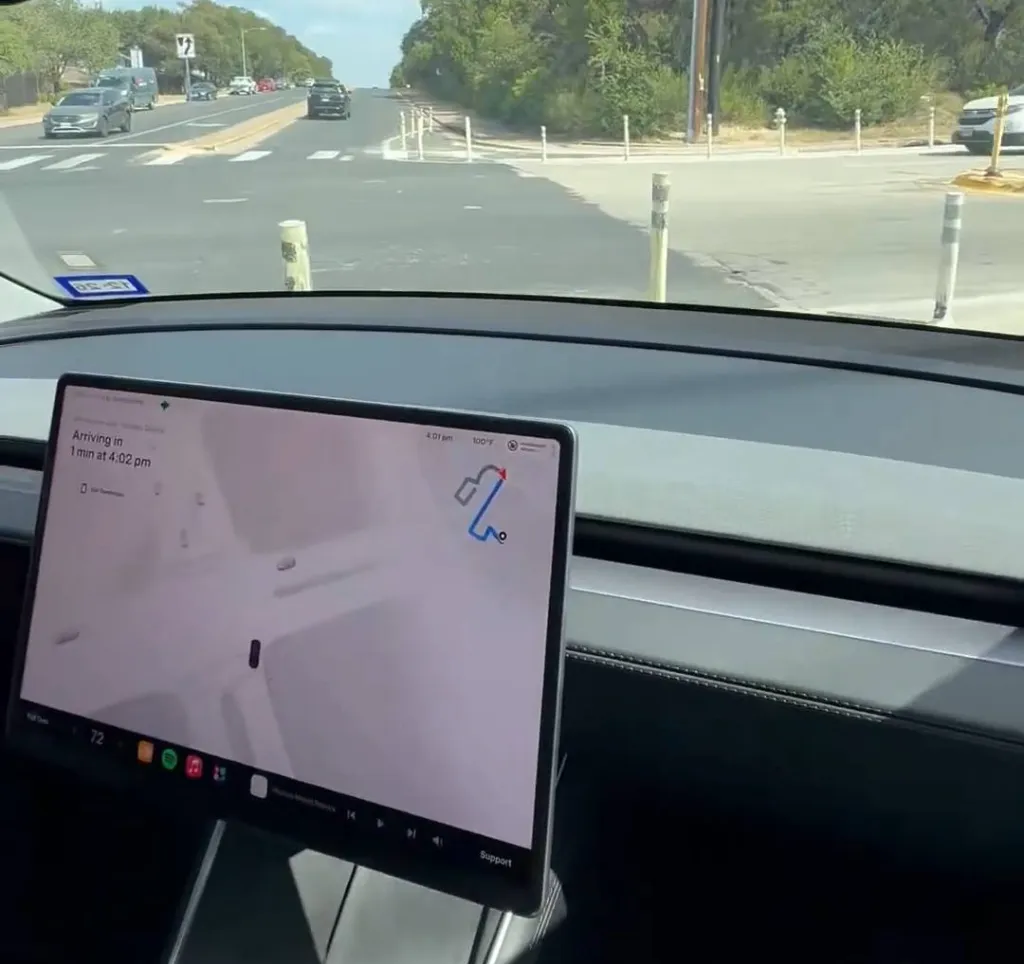
Unsupervised Tesla Robotaxi hits bollards in Austin
An unsupervised Tesla Robotaxi hit bollards while turning at an intersection in Austin, Texas. The incident highlights limitations in the vehicle’s obstacle response and follows claims that Tesla’s robotaxi programme had recorded no notable incidents.
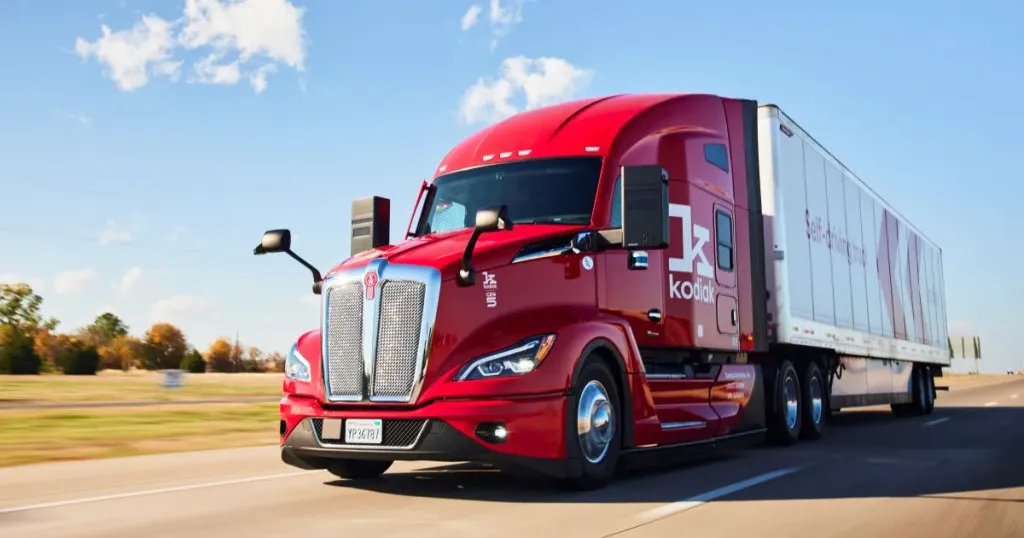
California permits autonomous truck testing as Teamsters sue over rules
California has issued permits for Aurora and Kodiak to test heavy-duty autonomous trucks with safety drivers under new rules. The Teamsters have sued the DMV, alleging inadequate assessment of the regulations’ economic and safety impacts.
Tesla reportedly plans Cybercab robotaxi launch in Austin
Tesla is reportedly preparing to deploy its purpose-built Cybercab robotaxi in Austin, Texas, initially offering employee rides before adding the driverless vehicles to its public service.
Hyundai and Kakao compete for Seoul robotaxi mandate
Hyundai, Kakao Mobility, Socar and other groups are competing for a two-year mandate to operate Seoul’s robotaxi platform. Kakao already runs approved late-night services, while traditional taxi operators explore partnerships to participate in South Korea’s autonomous-vehicle market.
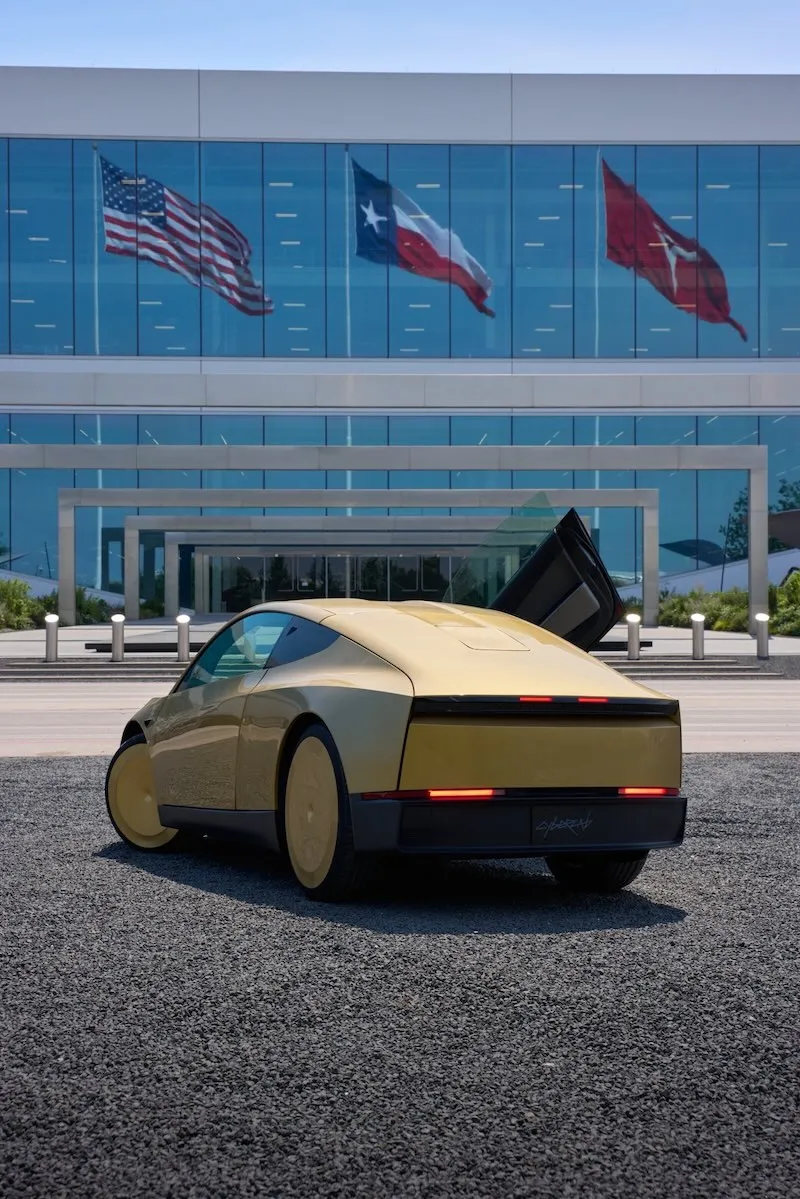
Tesla integrates Starlink satellite connectivity into Cybercab robotaxis
Tesla has integrated SpaceX’s Starlink Mini satellite-internet hardware into its Cybercab robotaxis, enabling high-speed connectivity for passengers. The autonomous electric vehicles are already being deployed in multiple US cities, with international expansion planned.
Chinese self-driving systems prepare for European city trials
Chinese automakers and technology firms are preparing to take self-driving systems tested in Beijing to European cities including Berlin and Brussels, after a demonstration showed a Mercedes CLA navigating traffic, changing lanes and parking without occupant assistance.
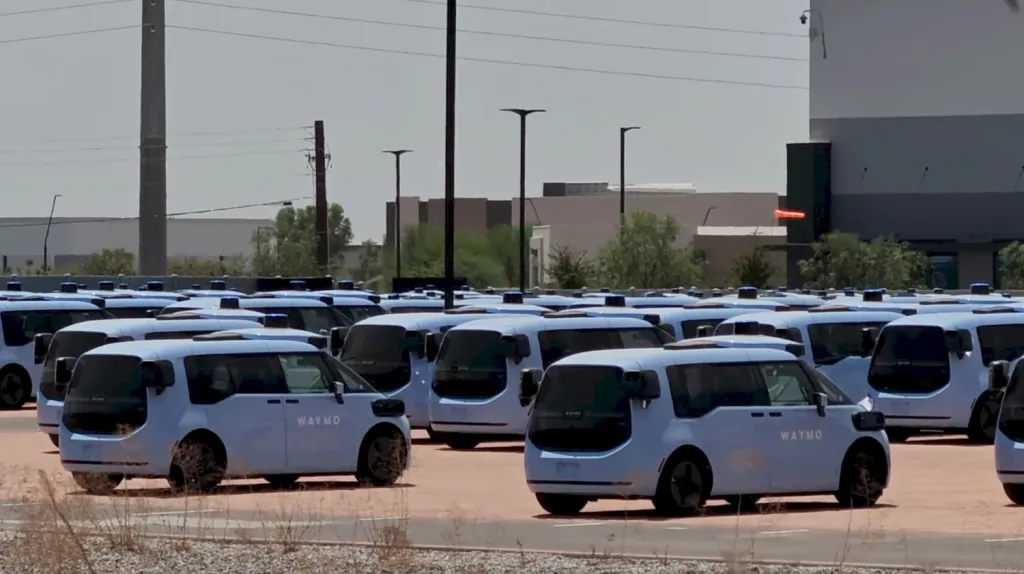
Waymo imports 3,200-plus China-built Zeekr robotaxis for US fleet
Waymo has imported more than 3,200 China-built Zeekr Ojai electric robotaxis for US deployment, with over 2,600 shipments recorded in 2026. The vehicles receive Waymo’s autonomous-driving hardware and software in the United States.

Cambridge self-driving bus programme secures £3.88m funding
The Greater Cambridge Partnership has secured £3.88m in UK government funding to extend self-driving bus trials, including a planned deployment on Cambridgeshire’s guided busway. The Commercialising Connector project will assess safety, accessibility, ticketing and customer experience ahead of potential commercial services.
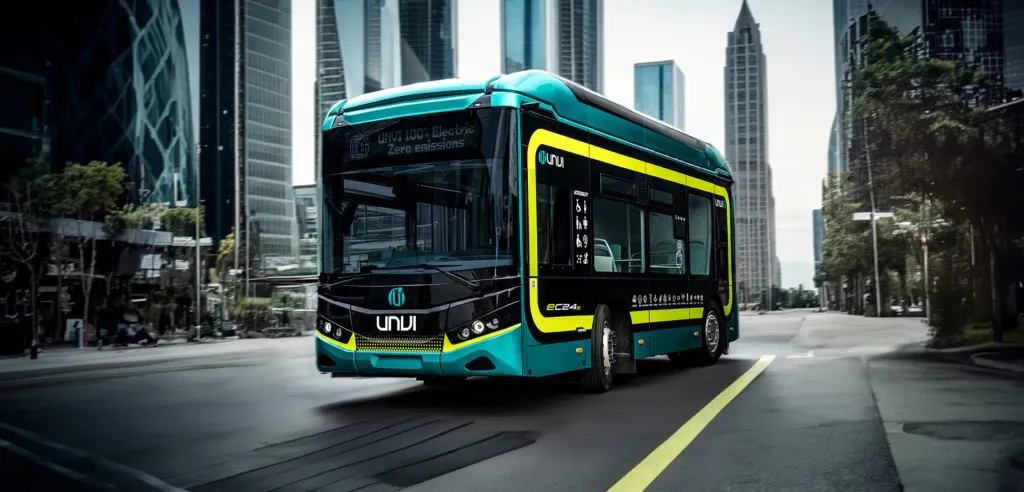
Imagry and UNVI partner on driverless electric buses for Germany
Imagry and UNVI will integrate AI-based driverless technology into UNVI electric buses, with the first 10.3-metre vehicle due to deploy on a German project in Q3 2026. UBSI is supporting integration, compliance, leasing and operations.
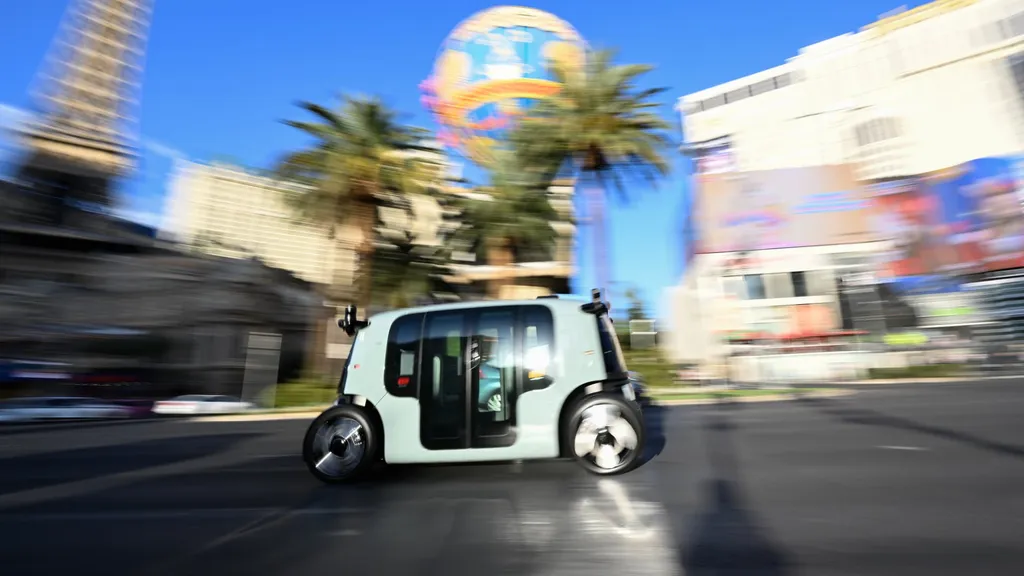
Zoox to launch paid driverless robotaxi service in Las Vegas
Amazon-owned Zoox will begin charging for driverless robotaxi rides in Las Vegas on 10 August, its first commercial launch. The autonomous shuttle operator plans to expand paid services after securing a temporary federal exemption from human-control requirements.
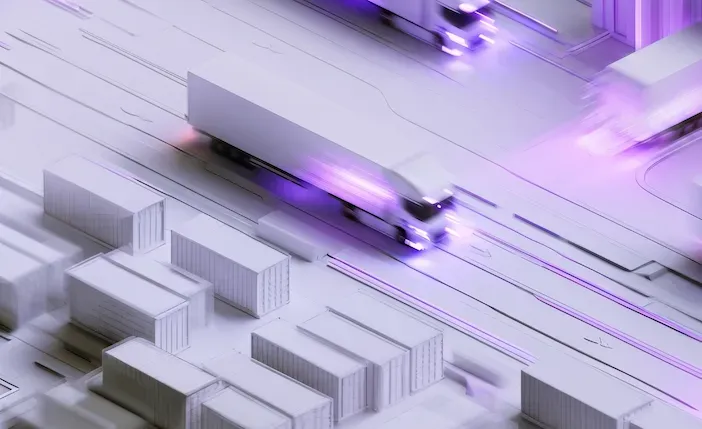
DFF and Oxa form Dubai autonomous logistics joint venture
Dubai Future Foundation and Oxa have formed SHIFFT, a joint venture to deploy autonomous logistics vehicles in ports and airports. It will target its first scalable commercial deployment in Dubai by the end of 2027.

Uber gives weaker third-quarter outlook while committing $10bn to AVs
Uber reported second-quarter revenue of $14.19bn and total bookings of $58bn, but issued weaker-than-expected third-quarter bookings and earnings guidance. It also expects to commit more than $10bn to commercialise autonomous vehicles at scale.
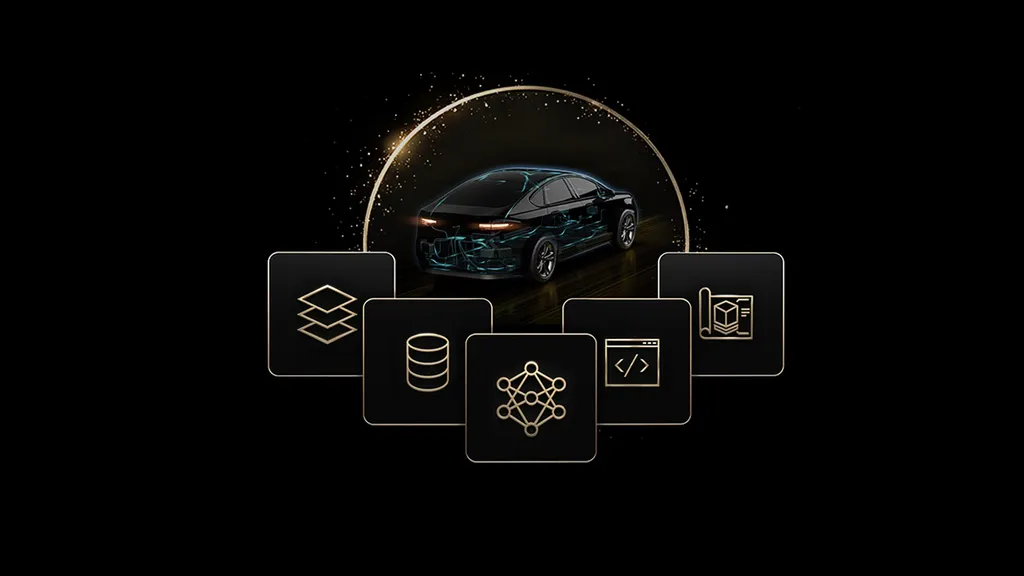
NVIDIA releases Alpamayo 2 Super for commercial AV use
NVIDIA has released Alpamayo 2 Super for commercial use under the permissive OpenMDW-1.1 licence. The open reasoning model supports autonomous-driving planning, validation, auto-labelling and model distillation for robotaxis and other AV programmes.
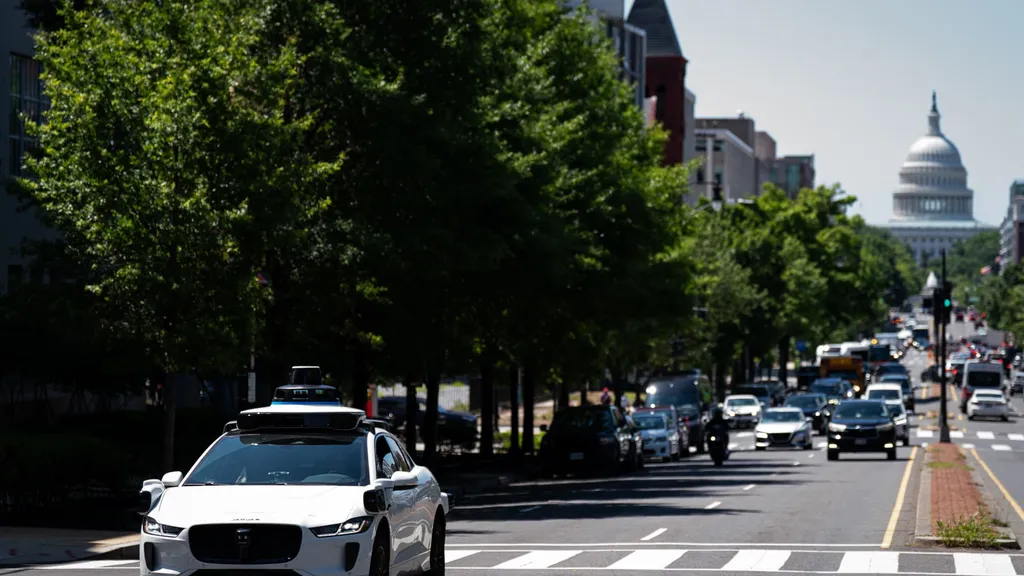
Washington, DC’s AV bill fuels labour battle over robotaxi deployment
Washington, DC’s proposed autonomous-vehicle legislation is intensifying a labour dispute over robotaxi deployment, driver employment and hybrid human-AV networks. Uber supports AVs but backs workforce safeguards, while Waymo opposes market restrictions.
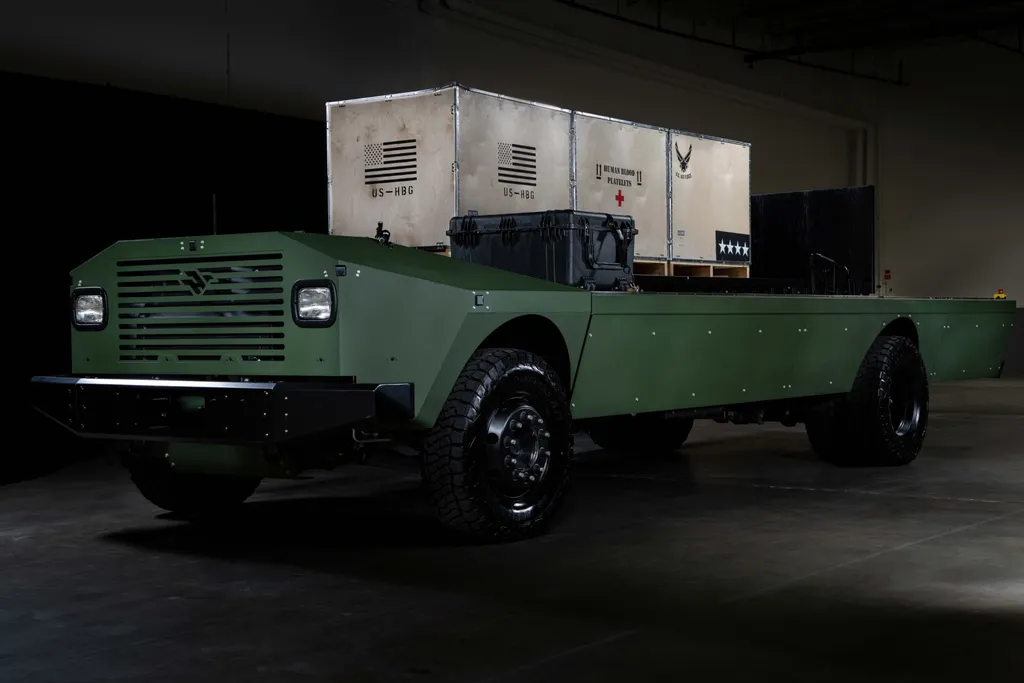
American Rheinmetall wins US Army contract for autonomous logistics vehicles
American Rheinmetall has won a two-year US Army contract to develop four hybrid autonomous uncrewed ground vehicles for logistics missions. Harbinger will provide the vehicle platform, Forterra autonomous driving technology and Primordial Labs a voice-controlled human-machine interface.
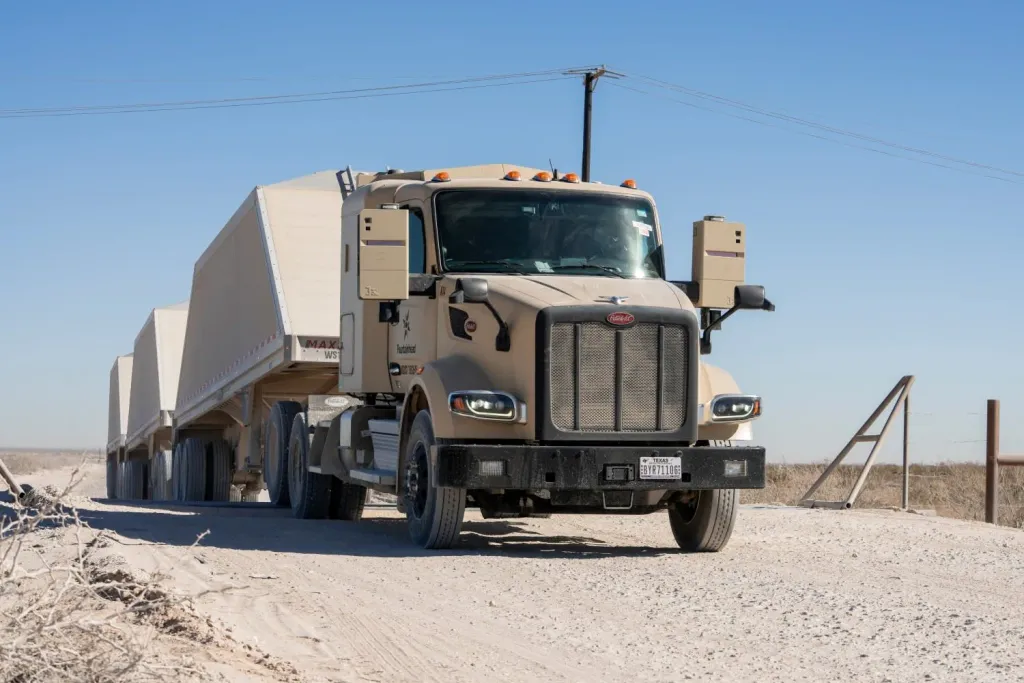
Atlas targets 100 Kodiak driverless trucks in Permian Basin
Atlas Energy Solutions is expanding Kodiak’s driverless frac-sand haulage in Texas and New Mexico, adding a second load-out site and targeting 100 autonomous heavy trucks by mid-2027. Public-road operations are expected in early 2027, subject to approvals.
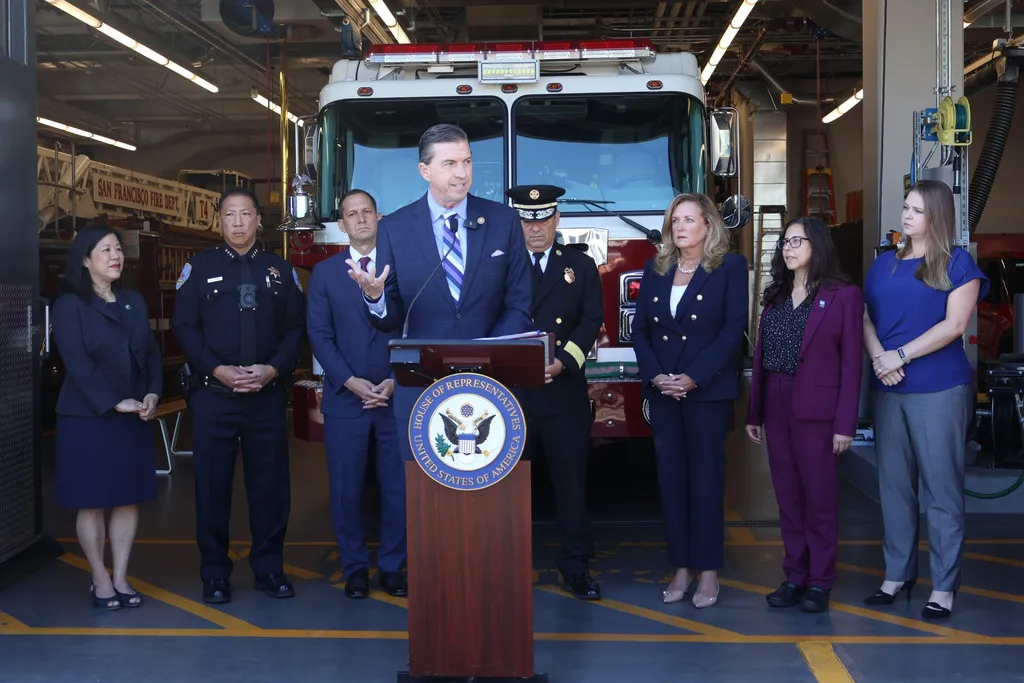
US bill would require NHTSA safety standards for autonomous vehicles
A US House bill would require NHTSA to set minimum safety standards for autonomous vehicles, mandate safety-data reporting and create emergency hotlines and geofence notices for public officials.
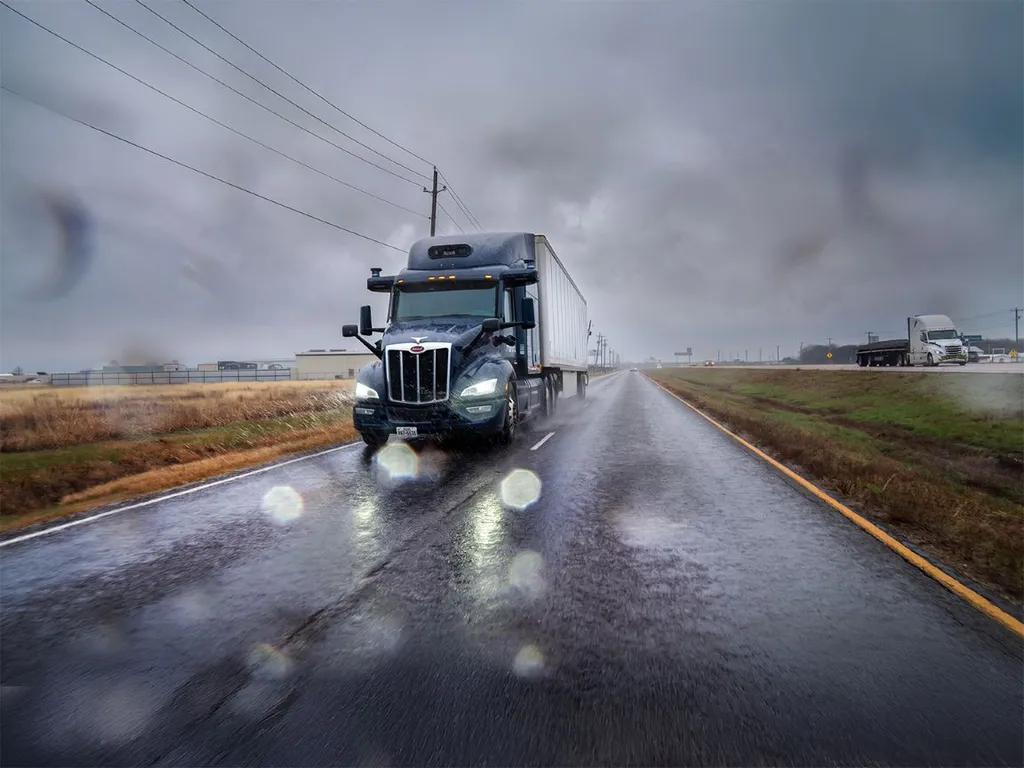
Charger Logistics to deploy Aurora driverless trucks on Dallas–Laredo route
Charger Logistics will deploy Aurora’s second-generation driverless trucks on freight runs between Dallas and Laredo, Texas. The agreement is intended to add capacity and improve tractor utilisation, with further routes planned.