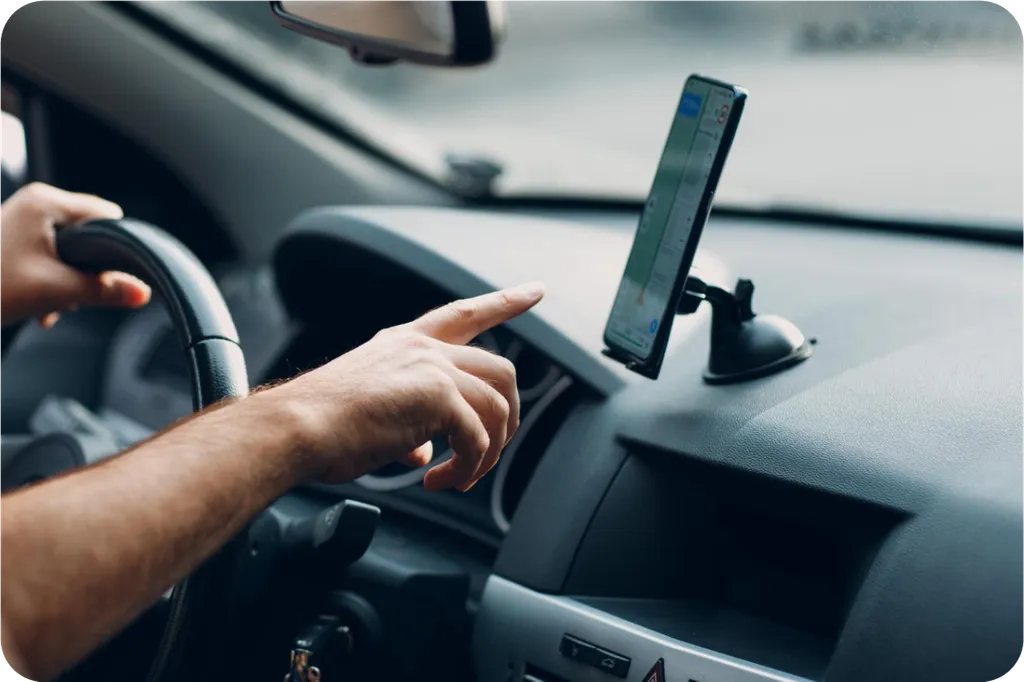

AI Software Enhances Last Mile Logistics Efficiency
AI software in logistics is improving last mile delivery through enhanced route optimisation, AI-powered customer interactions, and driver support, enabling greater operational efficiency and customer satisfaction.
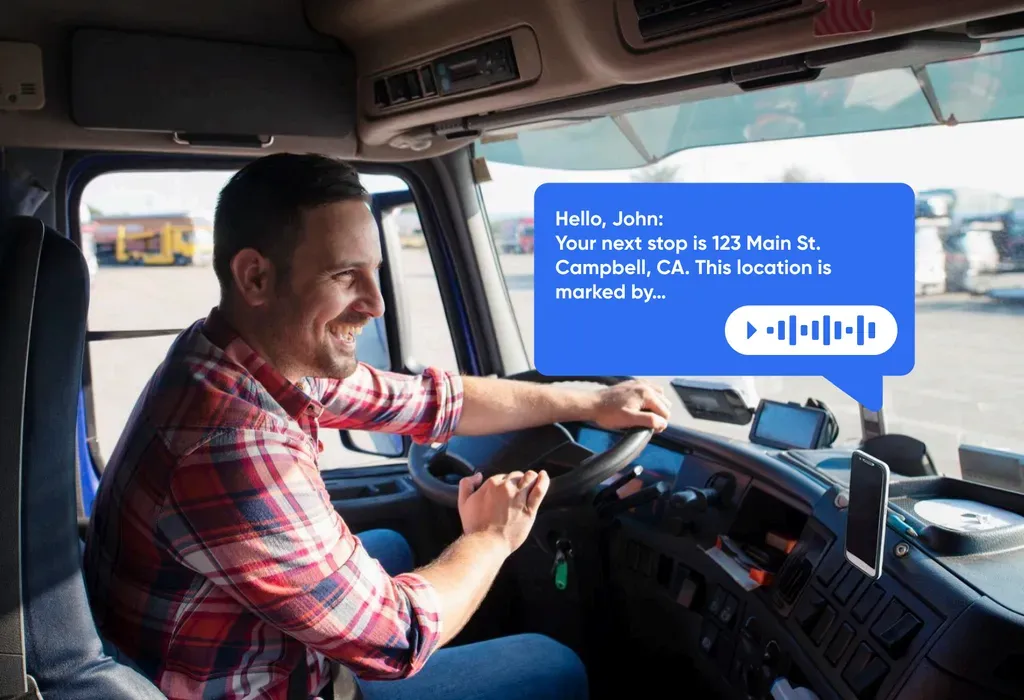
DispatchTrack launches AI voice assistant for delivery drivers
DispatchTrack has launched Driver AI, an in-cab voice assistant that provides location-aware audio briefings before delivery stops, including parking, access, timing and customer notes.

DispatchTrack adds delivery visibility, routing and pickup tools
DispatchTrack’s April 2025 release adds real-time visibility across third-party carriers, optimised routing for store pickups, customer self-scheduling and dynamic capacity controls for pickup operations.

Launch of DT Agent: AI Solution for Customer Engagement
DispatchTrack introduces DT Agent, an AI-powered solution aimed at enhancing customer engagement in last-mile delivery operations through automation and real-time communication.

DispatchTrack adds calendar-based routing and scheduling
DispatchTrack has enhanced its route-optimisation platform with a calendar-based interface for scheduling, routing and dispatching deliveries, including drag-and-drop planning, driver assignments and daily or weekly views.

DispatchTrack webinar highlights Merit Foods’ delivery-visibility gains
A DispatchTrack webinar recap details how Arizona food distributor Merit Foods uses its fleet-management platform to optimise changing routes, improve delivery visibility and achieve 99% on-time preferred-window performance across 28–32 daily truck departures.

Impact of AI on Supply Chain Delivery in the Coming Year
AI is expected to enhance delivery efficiency and customer experience in supply chains, with measurable improvements anticipated in the next twelve months.

DispatchTrack Launches Last Mile Solution for Food Distribution
DispatchTrack introduces a software solution aimed at enhancing last mile logistics for food distributors, improving efficiency and customer satisfaction in the delivery process.

DispatchTrack launches customer communication enhancements for deliveries
DispatchTrack has launched configurable customer notification enhancements for last-mile delivery, including full-lifecycle messaging, two-way dispatcher communication and image-enabled SMS. The updates aim to improve exception management and customer engagement.

Survey finds delivery businesses facing rising costs and operational pressures
DispatchTrack’s annual survey finds delivery businesses anticipating higher costs, fuel pressures, driver-retention challenges and weather disruption. Nearly half invested in technology, while 7% added or planned to add electric trucks.

DispatchTrack survey finds 62% of logistics leaders expect higher costs
A DispatchTrack survey of more than 100 logistics professionals found that 62% expect higher operational costs, with fuel and inflation the leading concerns. Respondents cited greater technology use and expanded delivery capacity as key responses.

Survey finds 70% of delivery organisations still face supply-chain challenges
DispatchTrack’s 2023 survey finds fuel costs, inflation and driver shortages remain major challenges for delivery organisations. Many plan to increase technology use, with AI-powered route optimisation and delivery-management tools highlighted as ways to improve efficiency and resilience.

DispatchTrack survey highlights last-mile sustainability strategies
A DispatchTrack survey of more than 140 logistics professionals found that maximising truck capacity and improving route efficiency were the most common emissions-reduction strategies. Only 14% were using or planning to use electric vehicles.

DispatchTrack forecasts sustainability priorities for last-mile fleets in 2023
DispatchTrack forecasts greater CO2 tracking, hybrid-fleet adoption and route optimisation as last-mile delivery sustainability priorities in 2023, citing survey findings that 60% of respondents would consider electric vehicles in future.
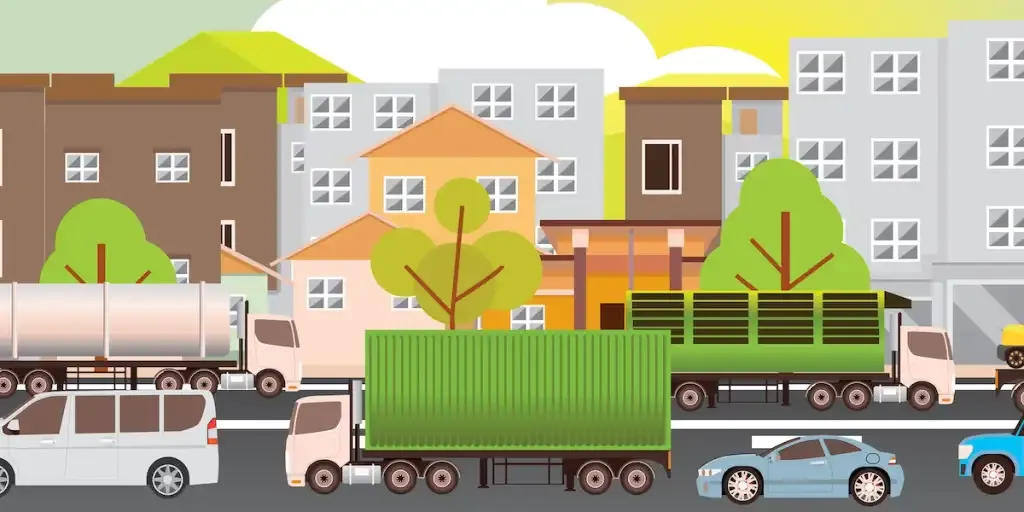
Survey finds 39% of logistics firms track green-effort progress
A survey of last-mile logistics operators found that 77% prioritise sustainability, but only 39% track progress on reducing CO2 emissions. Improving routing efficiency was the most commonly cited emissions-reduction tactic.

Poor communication blamed for half of poor last-mile delivery experiences
DispatchTrack’s research finds that 50% of customers blame poor communication for poor delivery experiences. It reports that 90% want delivery tracking, while 80% want frequent status updates, highlighting demand for real-time visibility and automated communications.

DispatchTrack Expands Global Footprint Through Acquisition
DispatchTrack's CEO discusses global expansion and technology adaptation, underscoring the firm's growth strategy and opportunities in the logistics sector, particularly in Mexico.
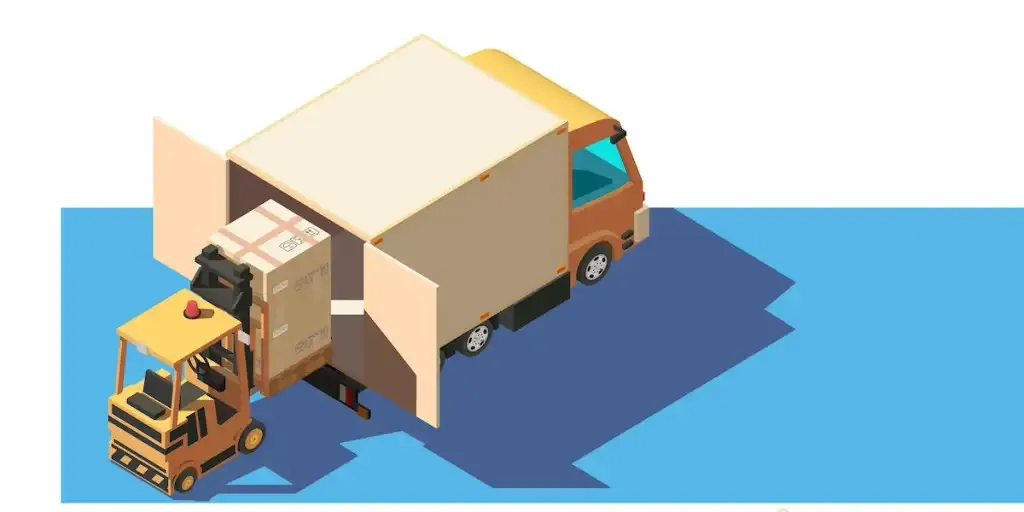
Businesses remain concerned about holiday delivery delays
DispatchTrack’s report finds that 82% of businesses fear missing holiday delivery windows, while driver shortages and rising costs add pressure. It highlights AI-powered route optimisation and real-time visibility as ways to improve delivery performance.

Challenges in Last Mile Deliveries This Holiday Season
Logistics professionals express concerns over rising costs, driver shortages, and inventory levels as uncertainty looms over the upcoming holiday delivery season.

Optimising Delivery Management in Agribusiness
Right time delivery management is crucial for agribusinesses to enhance operational efficiency and customer satisfaction amidst rising costs and complex logistics.

Survey finds poor communication is the main cause of poor last-mile experiences
DispatchTrack research finds consumers most often blame poor communication for unsatisfactory big-and-bulky deliveries. It reports strong demand for real-time tracking and frequent updates, highlighting the role of fleet visibility and delivery-management software.

DispatchTrack Acquires Beetrack to Enhance Last Mile Logistics
DispatchTrack's acquisition of Beetrack aims to optimise last mile delivery logistics globally, enhancing customer experience and operational efficiency across multiple regions.
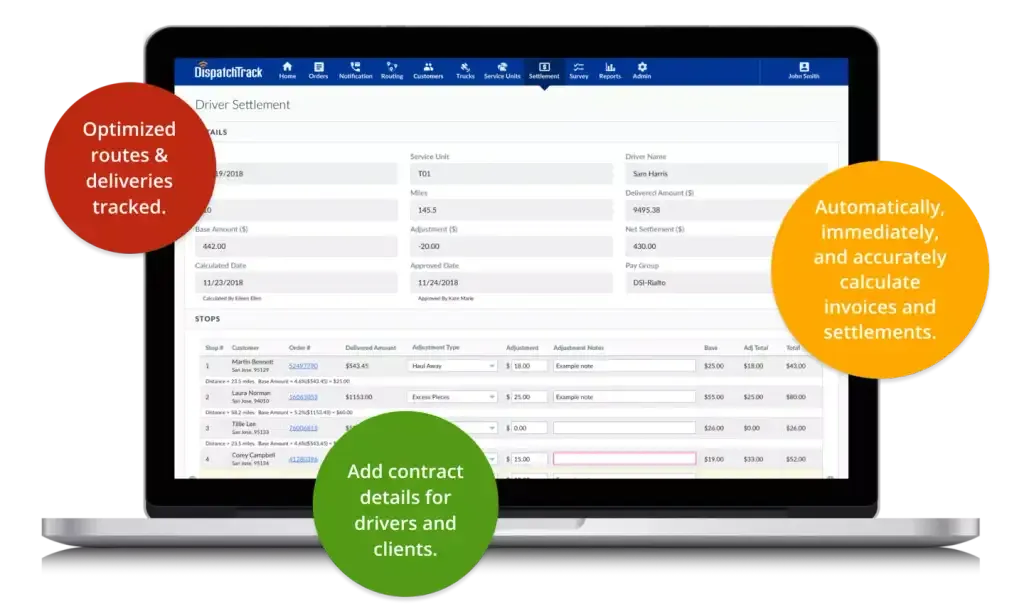
DispatchTrack launches billing and settlement automation for logistics firms
DispatchTrack has introduced billing and settlement automation for its last-mile platform, generating client invoices and driver payments from delivery data and contract rules. The paid add-on targets 3PLs and complex delivery operations.
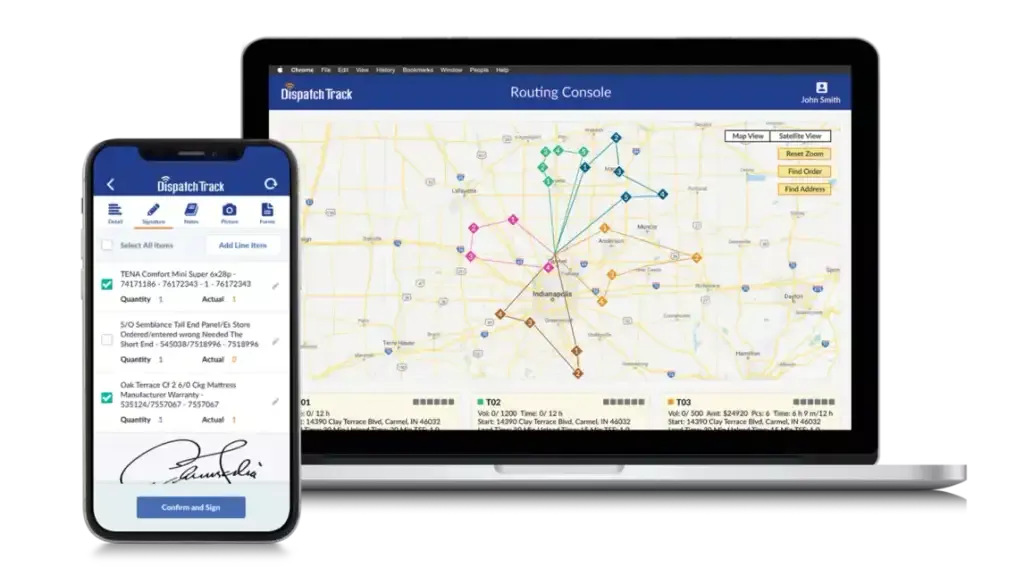
DispatchTrack named finalist for North American logistics innovation award
DispatchTrack was named one of six finalists for Accenture’s 2021 Freight & Logistics Innovator Award for North America, recognising its AI-powered last-mile delivery and fleet-management software.

Guide explains how US carriers can check and improve CSA scores
DispatchTrack explains how US trucking carriers can access CSA scores and reduce violations through inspections, electronic logging devices, driver screening, compliance tracking and fleet-management technology.

Last Mile Delivery Optimisation at Prestige Golf Cars
Prestige Golf Cars enhances customer service and operational efficiency through the implementation of DispatchTrack's last mile optimisation software, reducing call volumes and improving tracking.

Forecast for the Canadian Trucking Industry in 2021
The Canadian trucking industry is facing growth challenges with ELD implementation, an ageing workforce, and new training regulations set for 2021.

Impact of Solar Trucks on Sustainable Logistics Practices
Solar-powered trucks present cost-saving opportunities and environmental benefits, prompting the trucking industry to consider greener logistics solutions amid increasing demand.

The Role of AI in Transforming Transportation Logistics
AI and Machine Learning are vital in optimising logistics processes, enhancing decision-making and improving efficiency. Effective data collection is essential for successful implementation.

US 34-hour restart rule explained for commercial vehicle drivers
An explainer outlines how US commercial vehicle drivers can use the optional 34-hour restart to reset 60- or 70-hour duty clocks, including changes to the rule’s overnight and frequency requirements and the role of electronic logging devices.