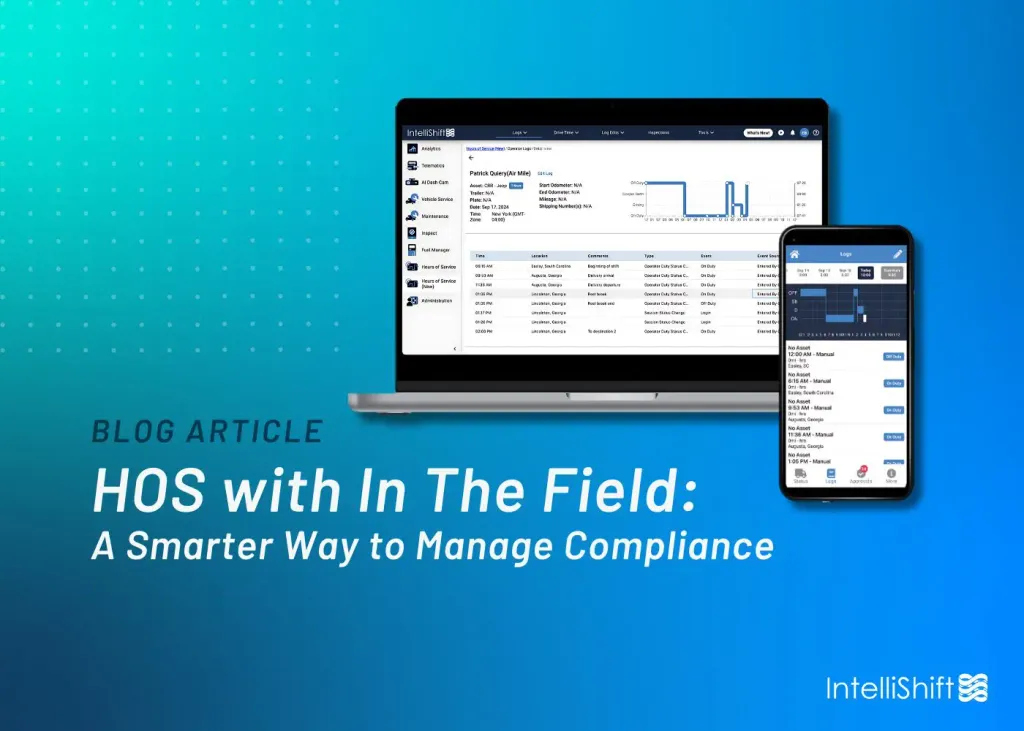
IntelliShift launches HOS with In The Field
IntelliShift has upgraded its Hours of Service feature to HOS with In The Field, combining mobile logbook and inspection functions, and has provided enhanced reporting, navigation and access controls to support fleet compliance and operational oversight.
Wise Systems and IntelliShift Partner for Fleet Intelligence
Wise Systems and IntelliShift have established a partnership to enhance fleet intelligence through integrated solutions, focusing on delivery automation and operational efficiency.
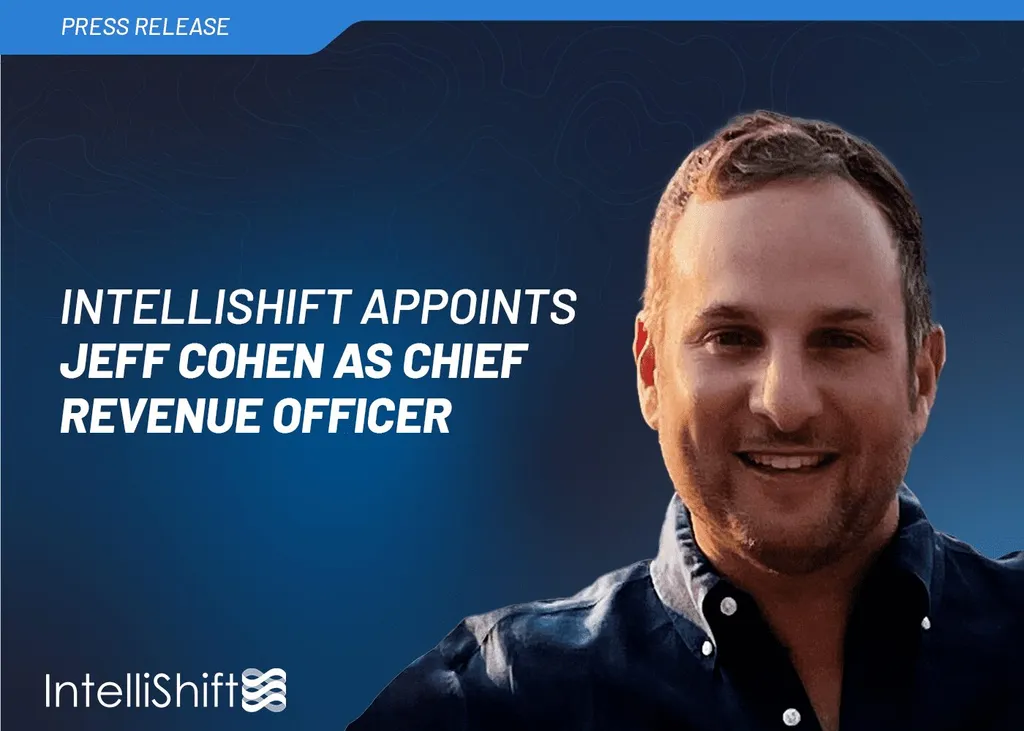
IntelliShift Appoints Jeff Cohen as Chief Revenue Officer
IntelliShift has appointed Jeff Cohen as Chief Revenue Officer, bringing over 15 years of telematics sales leadership experience to enhance customer engagement and operational growth.

IntelliShift partners with Procore to integrate fleet management tools
IntelliShift has partnered with Procore to integrate its fleet intelligence platform, including telematics, inspections, maintenance and safety tools, into Procore’s construction-management software for mutual customers.
IntelliShift named IoT Analytics Company of the Year
IntelliShift has been named IoT Analytics Company of the Year in the IoT Breakthrough Awards. Its connected fleet platform combines telematics, inspections, maintenance, safety and compliance data for mixed fleets.
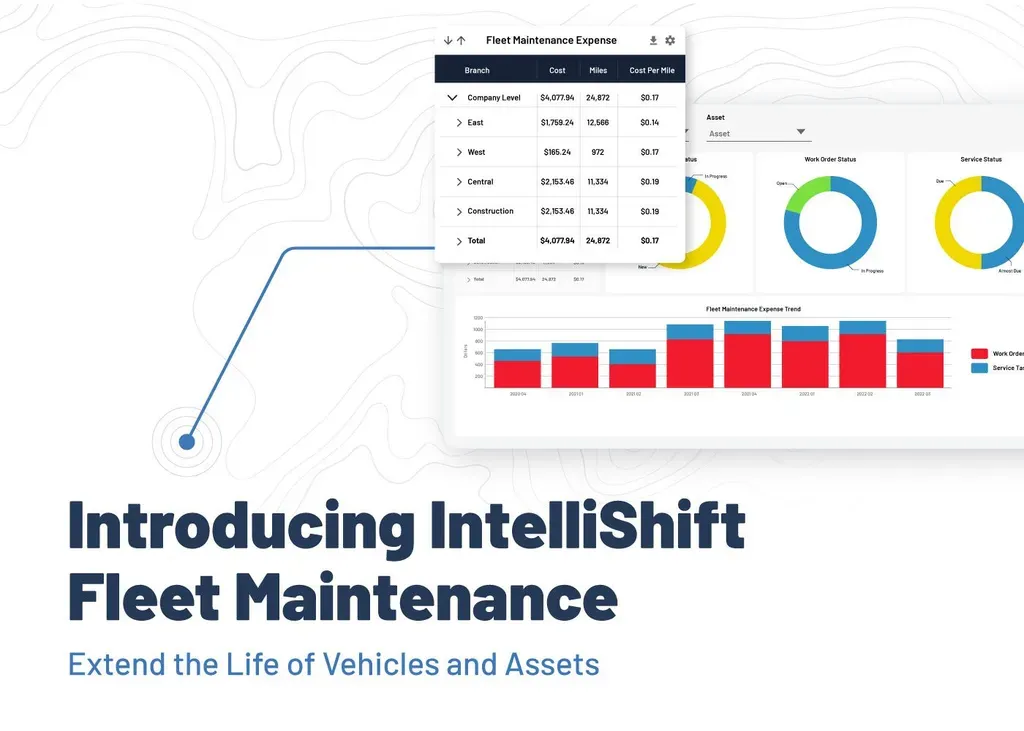
IntelliShift launches fleet maintenance platform
IntelliShift has launched a fleet-maintenance module that combines telematics, inspections and diagnostics with work-order management, parts inventory tracking and maintenance planning for mixed fleets.
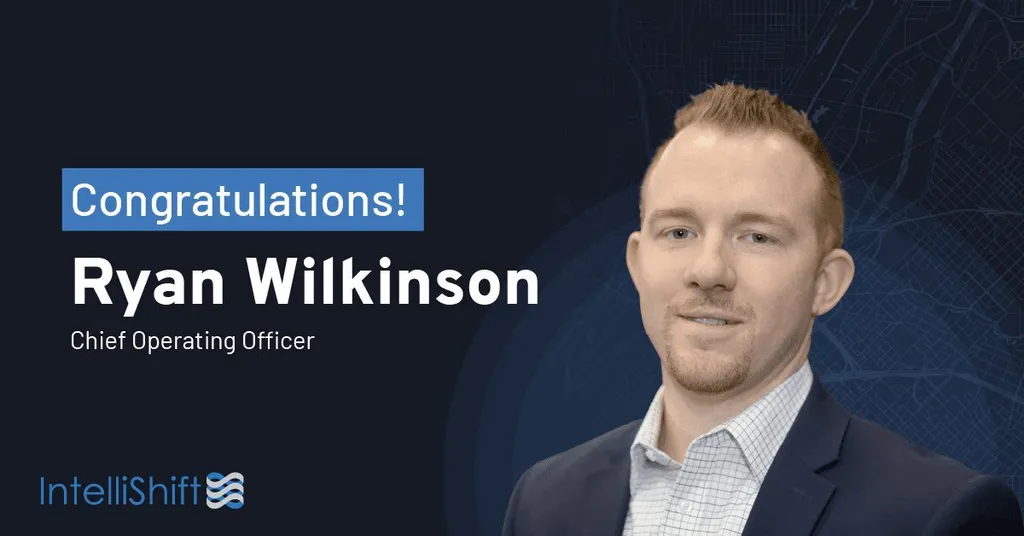
IntelliShift Appoints Ryan Wilkinson as Chief Operating Officer
IntelliShift announces Ryan Wilkinson as COO, tasked with enhancing customer experience and overseeing operational functions to support fleet safety and efficiency.
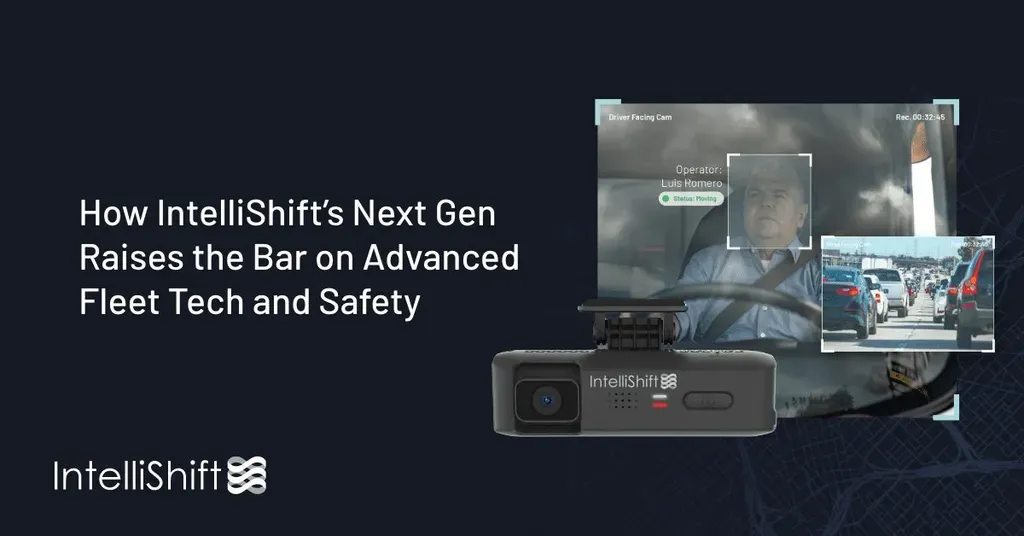
IntelliShift launches AI Dash Cam 400 for fleet safety
IntelliShift has launched its AI Dash Cam 400, integrating dual-camera video, edge-based AI, telematics and engine diagnostics. The system provides real-time driver alerts, in-cab coaching and over-the-air updates for commercial fleets.

IntelliShift launches AI Dash Cam 400 for fleet safety
IntelliShift has launched its AI Dash Cam 400, which uses artificial intelligence to support proactive fleet safety programmes and reduce incidents while improving operational return on investment.
IntelliShift launches AI Dash Cam 400 for fleet safety management
IntelliShift has launched its AI Dash Cam 400 and enhanced its fleet safety platform, combining driver- and road-facing video, telematics and driver coaching. The hardware supports rapid installation and is available for immediate deployment.

IntelliShift Enhances Offerings Through Esri Partnership
IntelliShift expands its platform value by integrating Esri's GIS solutions, enabling enhanced operational efficiencies for fleet management and customer service.

IntelliShift appoints Michael Burdiek to its board of directors
Fleet and safety-management platform IntelliShift has appointed former CalAmp CEO Michael Burdiek to its board, where he will advise on strategy, product growth and innovation.
IntelliShift to add fleet maintenance solution and platform enhancements
IntelliShift plans enhancements to its AI video cameras and fuel-management solution, alongside a new standalone fleet-maintenance platform due to enter beta testing with selected customers.
UGI Utilities selects IntelliShift for AI video fleet deployment
UGI Utilities will deploy IntelliShift’s fleet safety and operations platform, including AI video dash cameras, across more than 1,000 vehicles after an evaluation.

IntelliShift founder explores using fleet data to improve driver safety
IntelliShift founder and CEO John Cunningham discusses how fleet operators can collect and use safety and operations data to improve driver safety and performance in real time.

UGI adopts IntelliShift AI video across its commercial-vehicle fleet
UGI Utilities has selected IntelliShift’s cloud-based AI Video solution for more than 1,000 commercial vehicles, aiming to improve driver coaching, safety oversight, data-driven decisions and emergency-dispatch integration.

IntelliShift unveils new fleet maintenance and telematics software enhancements
IntelliShift has announced a standalone fleet-maintenance module and enhancements to its AI video, safety and fuel-management software. The updates aim to improve preventative maintenance, driver safety, vehicle-data visibility and fleet efficiency.
IntelliShift appoints Karl Weber as executive vice-president of sales
IntelliShift’s new executive vice-president of sales, Karl Weber, discusses his industry background, current challenges and the company’s next growth phase in an interview with Work Truck.

Stuart Kerr joins IntelliShift board as strategic adviser
Fleet-management platform IntelliShift has appointed SaaS and management expert Stuart Kerr to its board in a strategic advisory role focused on revenue, products and customer growth.

IntelliShift expands fleet-management partner ecosystem
IntelliShift has expanded its partner programme, integrating additional enterprise technology providers including Cisco and Netsync with its cloud-based fleet and safety-management platform through APIs.

IntelliShift appoints Karl Weber as executive vice-president of sales
Connected-fleet platform IntelliShift has appointed Karl Weber as executive vice-president of sales. Weber joins from Derive Systems and previously held sales leadership roles at Fleetmatics.

IntelliShift announces ConnectedOps 2021 virtual fleet summit
IntelliShift will host its ConnectedOps 2021 virtual summit on 26 October, covering connected fleet operations, safety, AI video, fleet maintenance, data integration and product roadmaps.

Vehicle Tracking Solutions rebrands as IntelliShift after $70m investment
Vehicle Tracking Solutions has rebranded as IntelliShift following a $70m investment from LLR Partners. The cloud-based fleet and safety management platform combines telematics and AI video capabilities, with expansion planned in North America.

Technology's Role in Addressing Driver Shortage Challenges
The article discusses the potential of AI technology to enhance safety as the DRIVE-Safe Act addresses driver shortages in fleet-driven companies in the U.S.
Challenges and Solutions in Truck Driver Training Sector
The article discusses the driver shortage in fleet-driven businesses and highlights the potential impact of new legislation on training younger drivers.

IntelliShift partners with LLR Partners to fund product innovation
VTS, IntelliShift’s parent, has partnered with private-equity firm LLR Partners. The capital will support expanded telematics, AI video and fleet-safety products, while VTS remains independent under new board leadership.
VTS Receives $70 Million Investment from LLR Partners
Vehicle Tracking Solutions secures $70 million funding from LLR Partners to drive growth and innovation for its IntelliShift division in fleet and safety management.

IntelliShift survey finds connected platforms improve fleet operations
A survey of 227 IntelliShift customers found connected vehicle and asset operations platforms improved process optimisation, fleet visibility and ROI. Respondents cited non-siloed real-time data, cost reduction and resource management as key priorities.

IntelliShift Recognised in Gartner's 2021 Market Guide
IntelliShift has been identified as a key vendor in Gartner's 2021 Market Guide for its comprehensive transportation mobility solutions, highlighting advancements in telematics and data integration.

IntelliShift Partners with Ford Commercial Solutions
IntelliShift has announced a collaboration with Ford Commercial Solutions to integrate vehicle data for enhanced fleet management and operational efficiency.
IntelliShift collaborates with Ford Commercial Solutions on fleet management
IntelliShift and Ford Commercial Solutions are collaborating to help fleet managers improve efficiency and business value through fleet-management solutions.
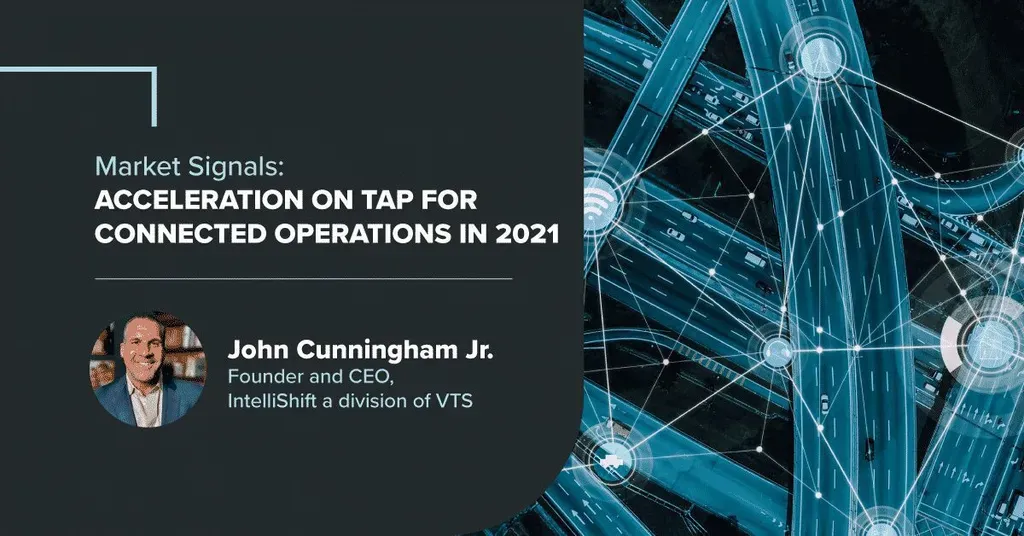
IntelliShift survey finds fleet operators value connected-operations platforms
An IntelliShift survey of more than 230 customers found that fleet operators value unified connected-operations platforms for data visibility, cross-team information sharing and workflow efficiency. Most respondents reported improved fleet visibility and time savings.
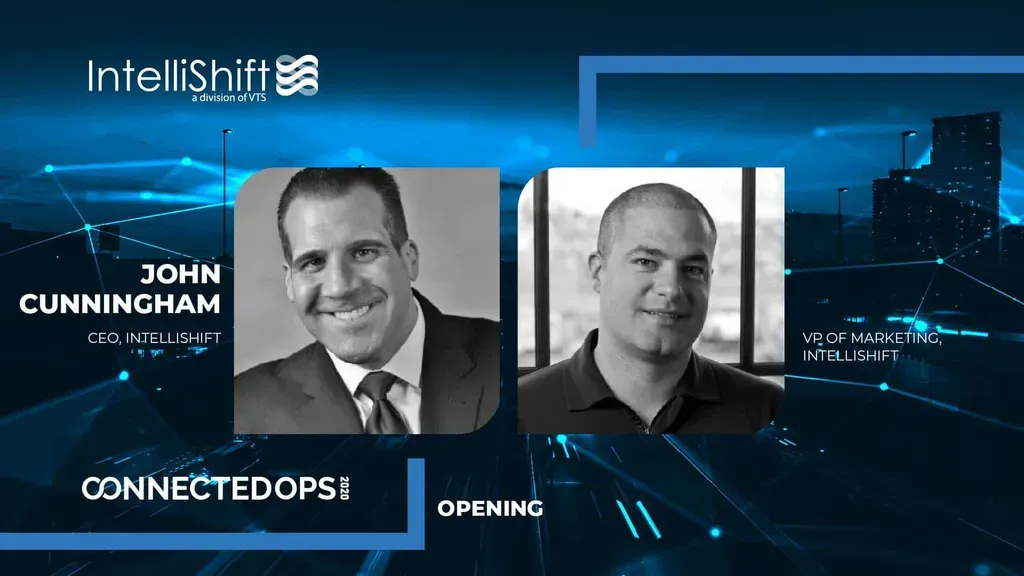
IntelliShift announces new analytics, inspection and video-AI products
IntelliShift used its ConnectedOps 2020 virtual event to announce enhancements to its Inspect product, the Operations IQ analytics offering and IntelliShift Video AI for video telematics. The company also outlined its connected fleet-platform roadmap.
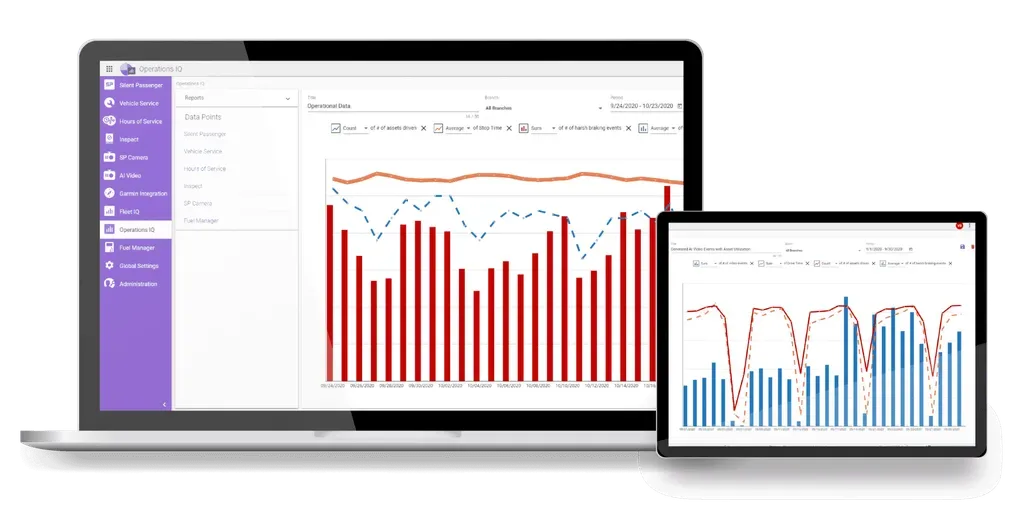
IntelliShift launches Operations IQ and AI Video fleet tools
IntelliShift has launched Operations IQ, an analytics platform integrating operational and telematics data, and AI Video, which uses artificial intelligence, sensors and 360-degree cameras to identify unsafe driving events and support fleet safety management.
IntelliShift to host inaugural ConnectedOps virtual conference
IntelliShift will host its inaugural ConnectedOps virtual conference, featuring customer panels, expert sessions and product breakouts focused on connected operations, business intelligence and fleet management.
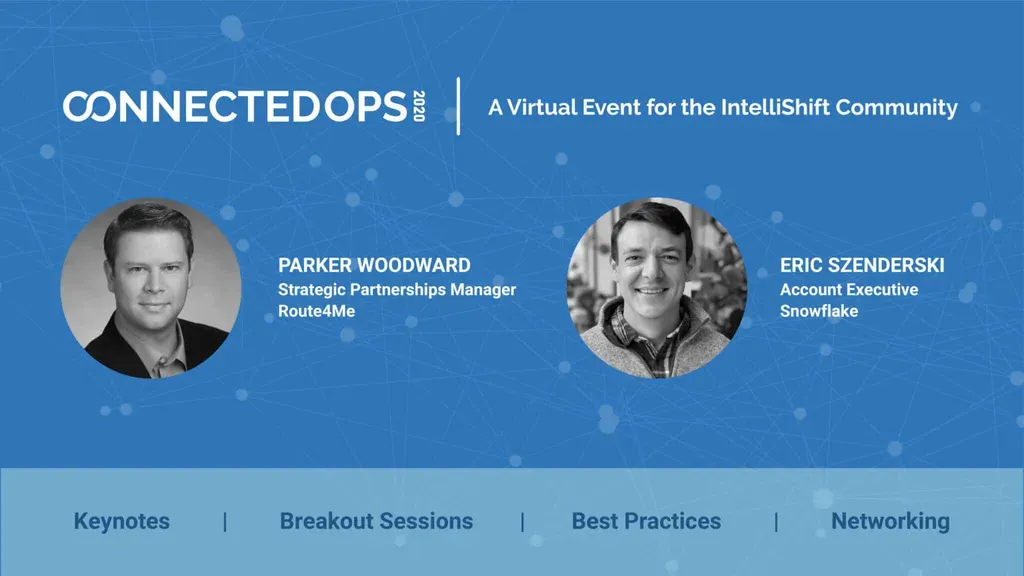
IntelliShift to host ConnectedOps virtual conference with Route4Me and Snowflake
IntelliShift will host a virtual ConnectedOps conference featuring partner sessions on route planning, vehicle and asset data, and analytics with Route4Me and Snowflake.
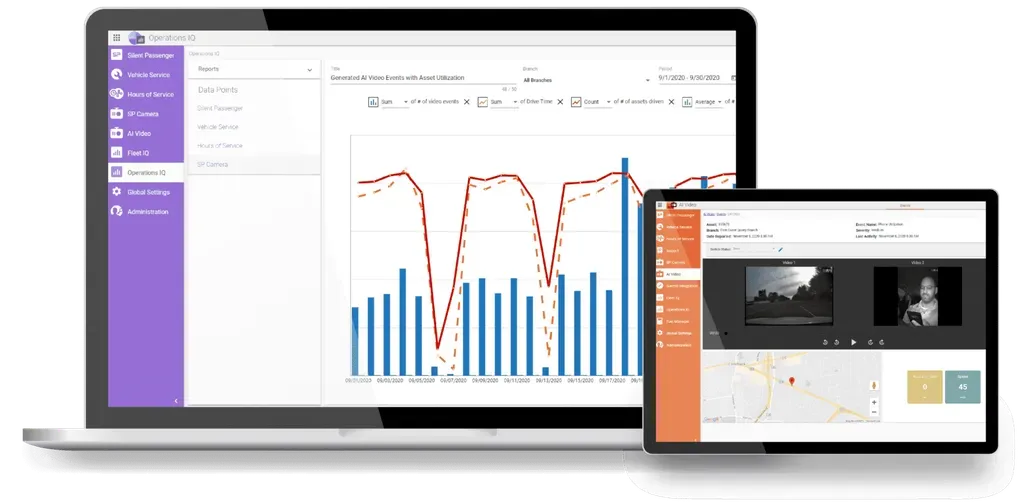
IntelliShift launches Operations IQ and AI Video fleet products
IntelliShift has unveiled Operations IQ analytics, AI Video in-cab safety monitoring and enhancements to IntelliShift Inspect. The products integrate telematics and operational data to support fleet reporting, driver safety, compliance and maintenance.
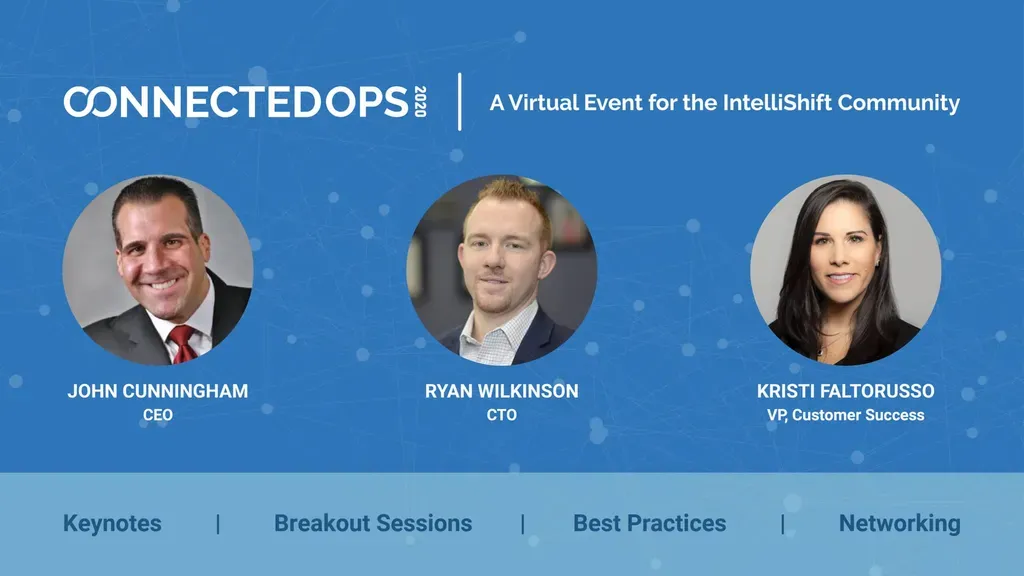
IntelliShift announces ConnectedOps 2020 virtual conference
IntelliShift will host its inaugural ConnectedOps virtual conference on 17 November 2020, covering connected fleet and asset operations, real-time analytics, maintenance, safety and platform integration.
IntelliShift announces ConnectedOps 2020 virtual fleet-operations event
IntelliShift announces ConnectedOps 2020, a virtual event featuring fleet-operations experts, customer and partner experiences, and previews of product use cases and planned platform modules.
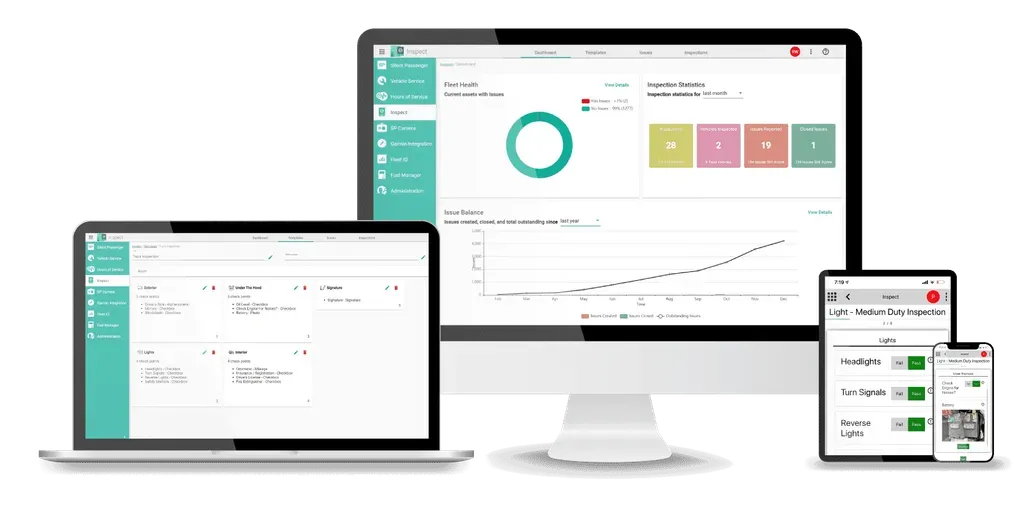
IntelliShift Launches Inspect Module for Mobile Workforce
IntelliShift introduces Inspect, enhancing health, safety, and productivity by streamlining inspections for mobile workforces and ensuring regulatory compliance.
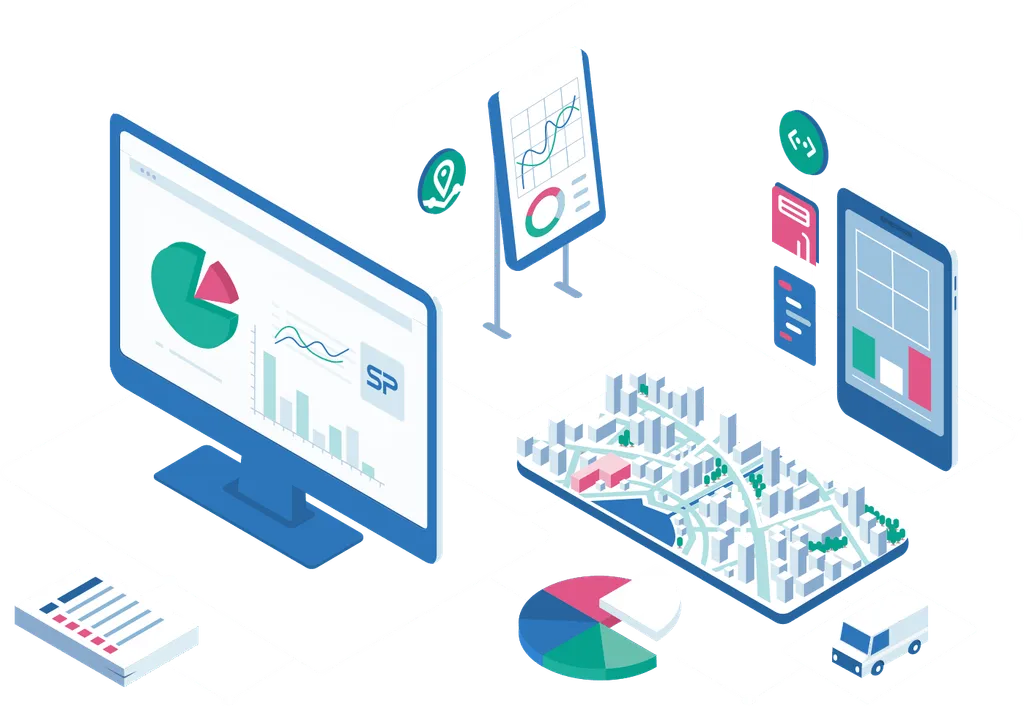
IntelliShift Launches Next-Generation Fleet Management Platform
IntelliShift introduces a fleet intelligence platform aimed at enhancing operational performance and decision-making in fleet-driven enterprises through integrated data insights.