Track legislation news alongside market analysis, provider activity, and connected mobility intelligence from PAVE Insight.

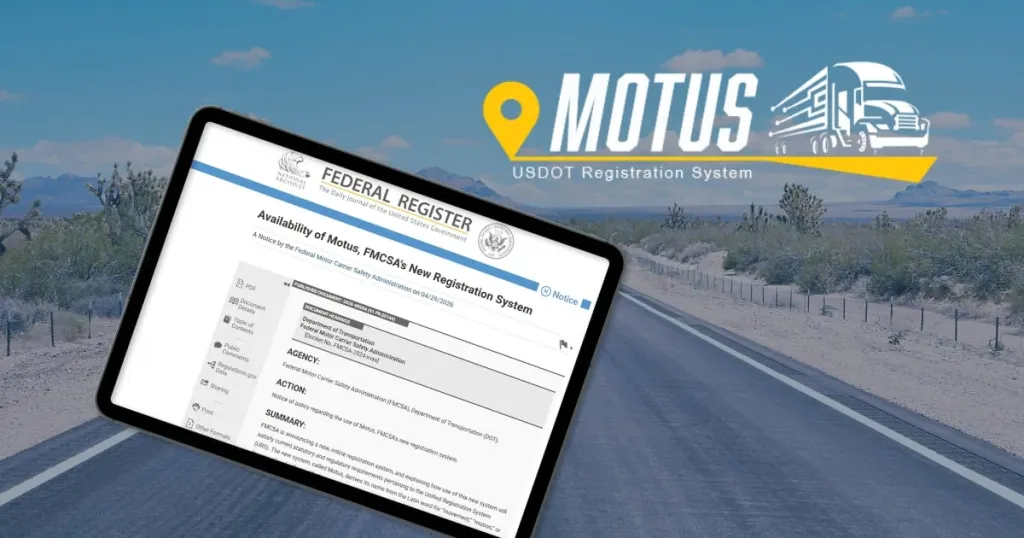
FMCSA suspends biennial-update enforcement during Motus transition
FMCSA has temporarily suspended enforcement against US motor carriers that missed biennial updates due on or after 1 June 2026, while it stabilises the new Motus registration system. The agency has not set an end date and warned carriers about phishing sites impersonating Motus.
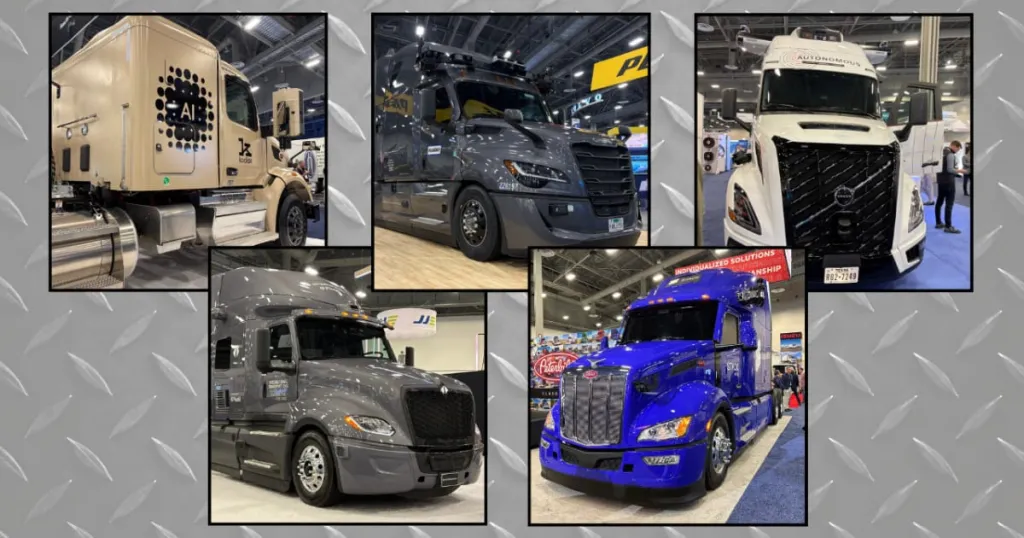
US DOT outlines regulatory strategy for driverless trucks
The US Department of Transportation has published a 2026–2030 automated-vehicle strategy covering planned rules for driverless commercial vehicles, safety standards, hazmat operations and more consistent interstate deployment.

EU plans cross-border testbed for automated mobility deployment
The European Commission plans a large-scale cross-border testbed to support commercial deployment of fully automated vehicles across Europe, initially focusing on public transport, freight and logistics. The initiative aims to harmonise deployment and provide greater certainty for industry.

Netherlands to levy employers on private use of combustion company cars
From 2027, Dutch employers will pay a 12% levy on combustion-engine company cars used privately or for commuting. The measure covers petrol, diesel, LPG and hybrid vehicles, while fully electric and hydrogen cars are exempt.

Study links higher EU transport electrification to lower oil import dependence
A new study finds that stronger road-electrification policies could cut the EU’s transport import dependency by nearly a quarter by 2040, while reducing reliance on scarce imported alternative fuels. It urges ambitious car CO₂ standards and greater use of renewable electricity.

Romania’s ISCTR controls: what road transport operators must know
A practical guide explains Romania’s ISCTR roadside and premises inspections, document checks, vehicle immobilisation exceptions, fines under HG 69/2012 and the 15-day deadline for challenging a contravention notice.

Polestar cuts 2026 sales outlook as US connected-vehicle ban bites
Polestar has lowered its 2026 sales-growth guidance after US Connected Vehicle Rule restrictions blocked future model-year sales. The EV maker also reported lower first-half revenue and unveiled its Formula 2030 concept car as it seeks to strengthen sales and reach profitability.

Real-world plug-in hybrid emissions reach six times official test levels
European Environment Agency data analysed by T&E shows plug-in hybrids registered in 2024 emitted 145g of CO₂ per km in real-world driving, versus 24g/km in official tests. The findings come as carmakers oppose planned EU rules to tighten emissions calculations.

New York City mandates speed and pedestrian safety technology for fleet
New York City will require intelligent speed assistance in contracts for new civilian fleet vehicles and pedestrian-alert systems on new trucks. It will also retrofit existing city fleet trucks with pedestrian alerts by June 2029, following trials across 1,800 vehicles.
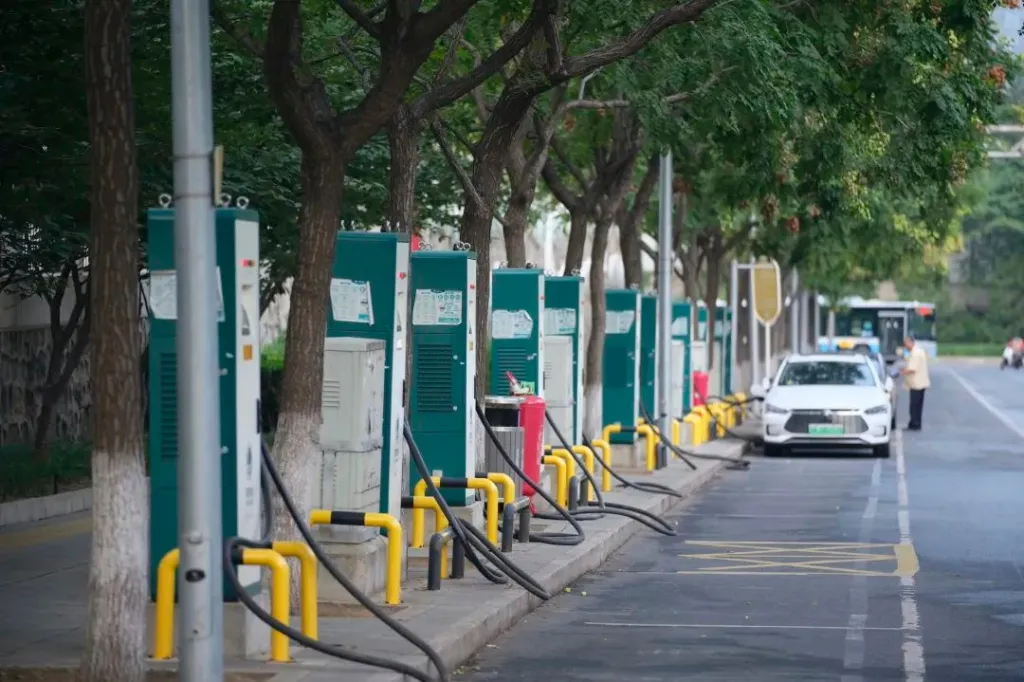
China begins phasing out electric-vehicle tax exemptions
China will introduce a 2% consumption tax on lithium batteries from September 2026, rising to 4% in 2027. The changes form part of a wider withdrawal of preferential treatment for new-energy vehicles, while sodium-ion and solid-state batteries remain exempt until at least 2028.

Automakers urge US Congress to ban Chinese connected vehicles
The Alliance for Automotive Innovation is urging US lawmakers to permanently prohibit the sale, import and manufacture of Chinese connected vehicles, hardware and software, citing national security concerns and competitive risks.

IRU and T&E call for EU dialogue on heavy-duty vehicle decarbonisation
IRU and T&E have urged European Commission President Ursula von der Leyen to launch a strategic dialogue on heavy-duty vehicle decarbonisation. Their call comes ahead of reviews of EU charging infrastructure and CO₂ standards rules, amid concerns over costs, grid capacity and zero-emission vehicle uptake.

Belgium’s mobility-budget rules will drive more data-led fleet planning
Belgian organisations with at least 50 employees must offer a mobility budget from 1 January 2027, with the threshold falling to 15 employees in 2028. Targa Telematics says connected-vehicle data can help employers assess usage, costs, sustainability and compliance.

Safety violations delay CATL battery-cell production in Hungary
Hungarian regulators have suspended CATL’s planned battery-cell production in Debrecen over nickel-exposure risks and other safety failures. Environmental-permit breaches and tighter oversight of major investments are adding to delays, while the company sources batteries elsewhere to supply Mercedes-Benz.

EU repairability rules raise new compliance demands for connected insurance devices
EU ecodesign and battery rules are extending repairability, recyclability and product-information requirements to connected insurance hardware. IMS outlines procurement checks and says its Wedge uses hand-replaceable batteries and recyclable materials.
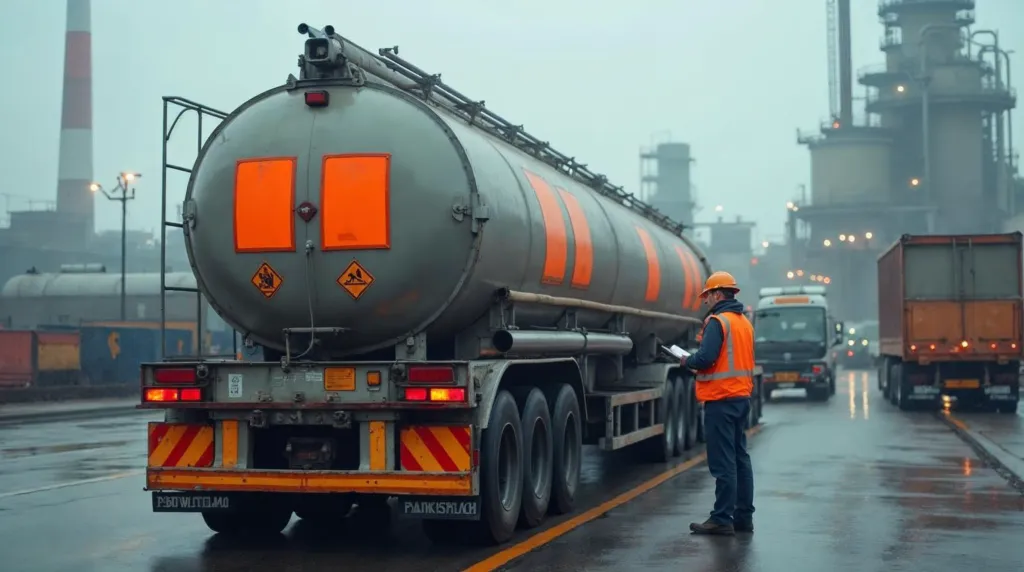
ADR 2026: Dangerous-goods rules and the 1,000-point exemption
A practical guide to ADR 2026 explains the nine hazard classes, the 1,000-point partial exemption, limited quantities and requirements for drivers, vehicles, safety advisers and transport documents in Romania.
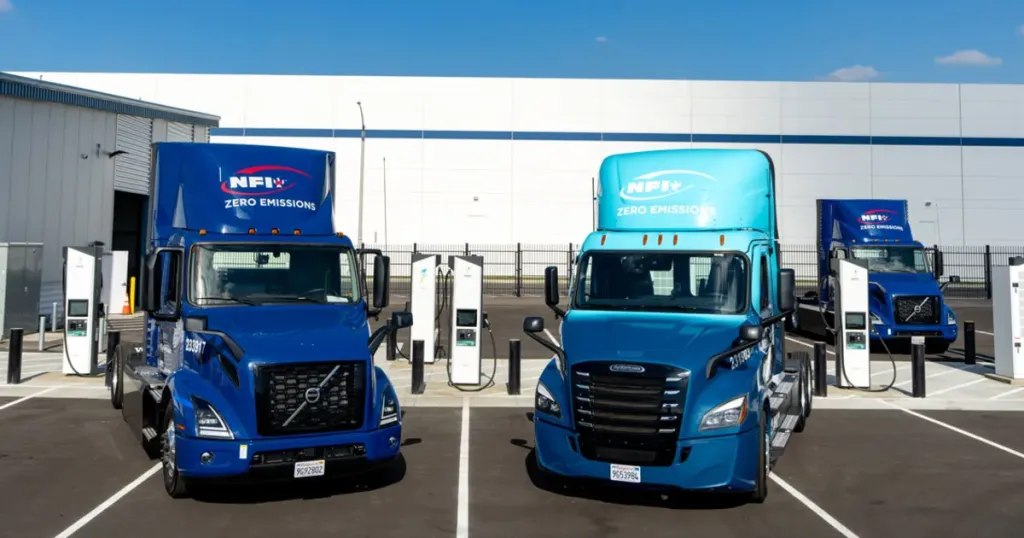
California bill would require electric-truck pricing disclosure for incentives
California Senate Bill 1213, sent to Governor Gavin Newsom after unanimous legislative approval, would require truck makers to disclose vehicle pricing to participate in zero-emission incentive programmes. Supporters say this could improve fleet purchasing transparency and make public funding more effective.
NHTSA plans to rewrite US heavy-truck fuel-economy rules
NHTSA says it lacks authority to regulate heavy-truck engines separately from complete vehicles, paving the way for a future rewrite of US fuel-economy rules. Existing standards remain in force while the agency considers vehicle-level requirements and manufacturers’ compliance flexibility.
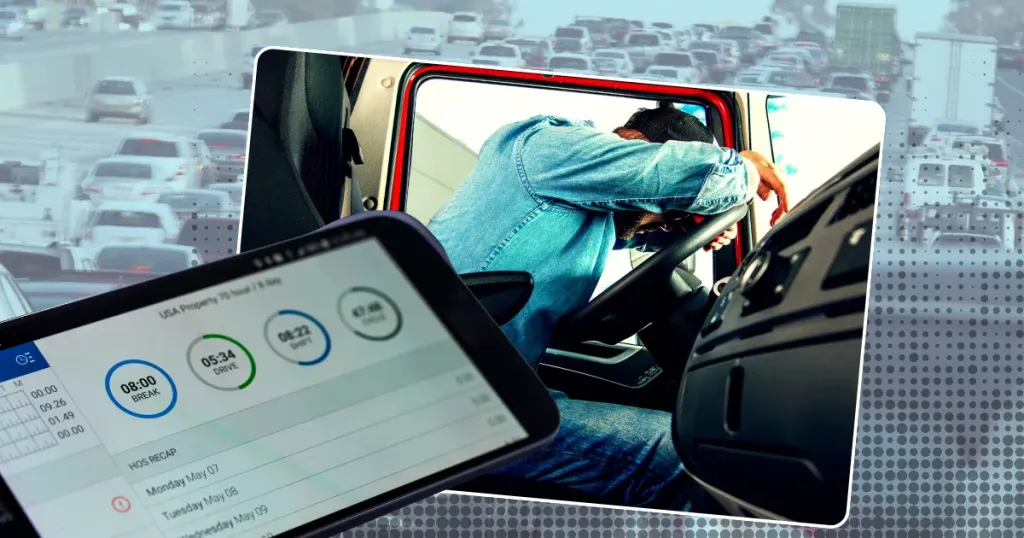
FMCSA prepares 2027 pilots for more flexible truck driver hours
FMCSA has completed pre-tests for pilots examining flexible sleeper-berth rules and pauses to drivers’ 14-hour clocks. Full programmes are planned for 2027, with up to 512 truck drivers participating across the two studies.
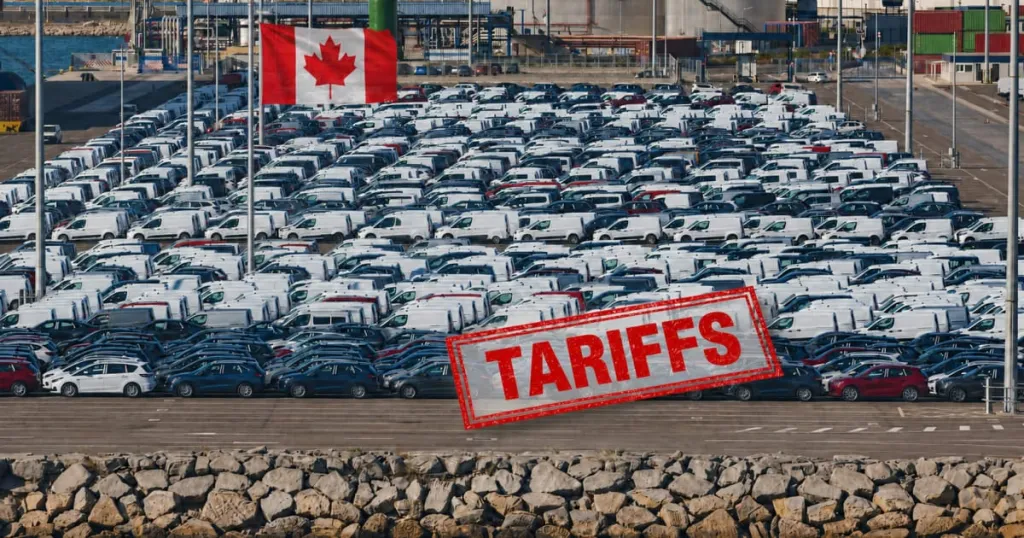
Canadian tariff threat clouds North American vehicle production and fleet planning
A threatened 50% US tariff on Canadian vehicles and parts could affect automaker sourcing, plant investment, vehicle availability and fleet replacement decisions, although uncertainty makes immediate production changes unlikely.
5GAA calls for phased implementation of India’s draft V2V rules
5GAA has responded to India’s draft vehicle-approval rules proposing mandatory V2V technology for L, M and N vehicles. It supports voluntary deployment from October 2027 and a phased mandate from October 2028, allowing time for standards, testing, certification and ecosystem readiness.
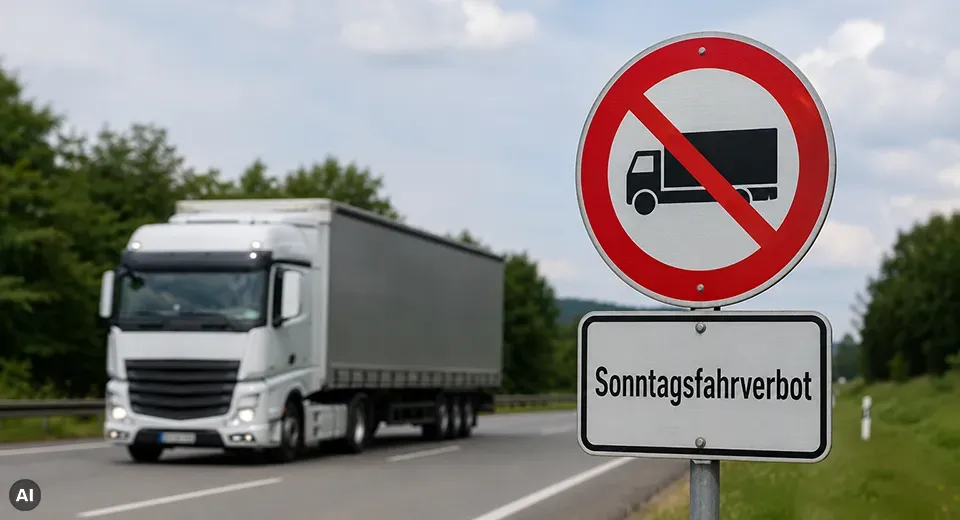
Germany’s HGV Sunday driving ban and 2026 low-water exemptions
DAKO outlines Germany’s Sunday and public-holiday driving ban for HGVs, its exemptions and penalties, alongside temporary 2026 exemptions introduced during low water levels on major inland waterways.

US-Canada truck tariffs threaten cross-border freight operations
Tariff negotiations between the US and Canada have stalled, with medium- and heavy-duty trucks among the key disputes. Industry warnings indicate prolonged tariffs could reduce freight volumes, create equipment imbalances and increase cross-border trucking costs.

German renewable reforms could restrict bidirectional EV charging
Germany’s car and electricity industries warn that proposed renewable-energy reforms could limit electricity fed into the grid from EV batteries, undermining the business case for bidirectional charging. The legislation is due to be debated in parliament.

Brazil’s ANTT advances free-flow tolling and plans payment consultation
Brazil’s ANTT has integrated free-flow toll passages into the CNH do Brasil app and plans a public consultation on electronic-toll payment requirements, subject to approval. The system covers 14 concessionaires, 55 gantries and seven states.

US to raise Canadian vehicle and parts tariffs to 50% in 2027
Donald Trump said the US will increase tariffs on Canadian cars, trucks, automotive parts and steel to 50% from 1 January 2027, escalating the trade dispute after negotiations broke down.

Guide to ADR classes, markings and equipment for dangerous-goods transport
A practical guide explains the nine ADR dangerous-goods classes, packaging groups, package and vehicle markings, mandatory onboard equipment, transport documents, limited and excepted quantities, and the application of successive ADR editions.
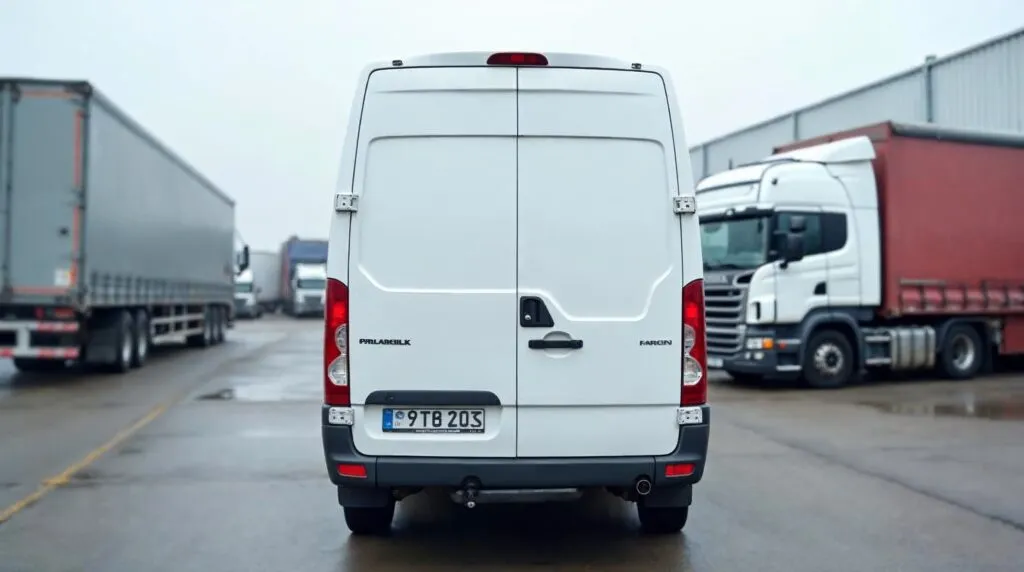
Romania clarifies 2026 tachograph thresholds and exemptions
Romanian guidance explains tachograph obligations: the threshold remains above 3.5 tonnes for domestic freight, while vehicles above 2.5 tonnes operating internationally or in cabotage are covered from 1 July 2026. It also outlines exemptions, equipment requirements and penalties.
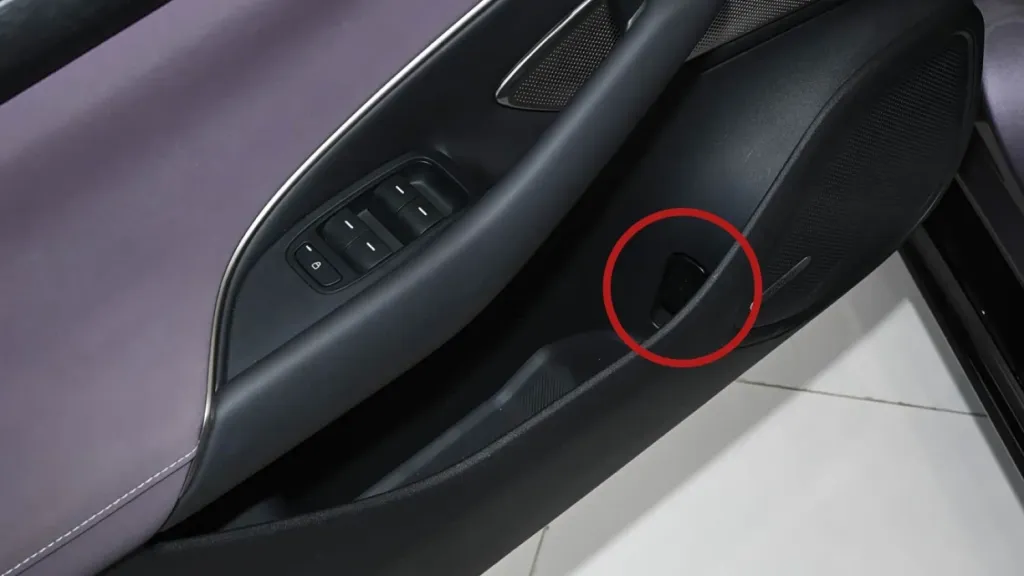
China orders mass recalls over hard-to-identify emergency door handles
Automakers including Tesla, BYD, Geely and Xiaomi are recalling vehicles in China because emergency mechanical door handles are difficult to identify. Warning labels and, for many vehicles, OTA updates enabling post-accident window lowering will be provided.

Europe’s semiconductor strategy faces capacity, skills and supply-chain constraints
Europe’s semiconductor output is forecast to reach only 8% of global capacity by 2030, well below the EU’s 20% target. A proposed Chips Act 2.0 seeks to strengthen production, but the region faces investment, workforce and raw-material dependencies, despite automotive-focused projects such as ESMC’s Dresden plant.
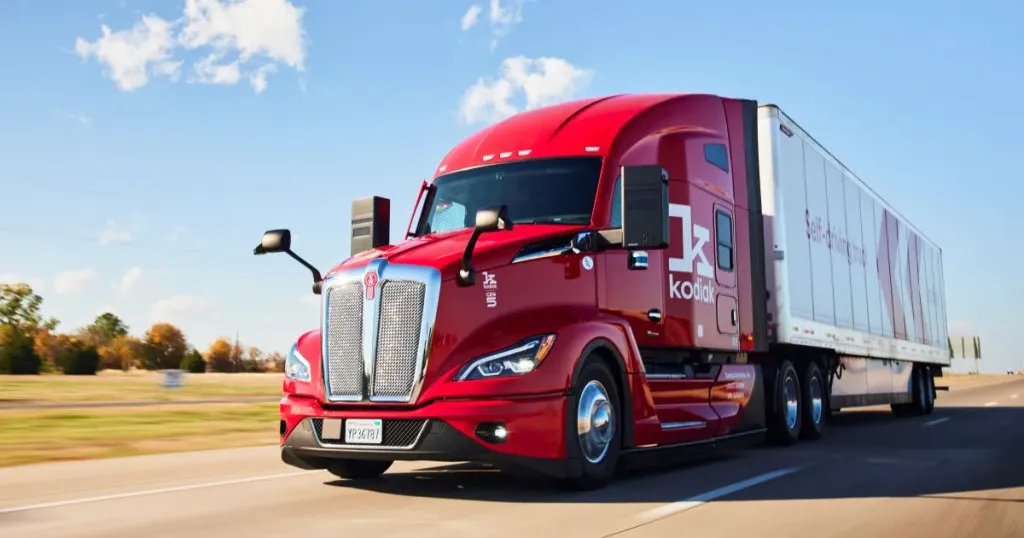
California permits autonomous truck testing as Teamsters sue over rules
California has issued permits for Aurora and Kodiak to test heavy-duty autonomous trucks with safety drivers under new rules. The Teamsters have sued the DMV, alleging inadequate assessment of the regulations’ economic and safety impacts.
AdBlue’s role in diesel emissions control and Dutch nitrogen calculations
An explainer details how AdBlue and SCR systems reduce diesel NOx emissions, covering Euro 6, Euro VI, Stage V and forthcoming Euro 7 requirements. It also outlines how AdBlue consumption informs nitrogen-emissions calculations for Dutch construction and infrastructure projects.

Transport operators face 15-day ARR driver-reporting deadline
Road transport operators must report driver appointments, departures and other employment changes to ARR online within 15 days. Non-compliance is treated as a serious contravention and can attract a fine of 4,000–6,000 lei.
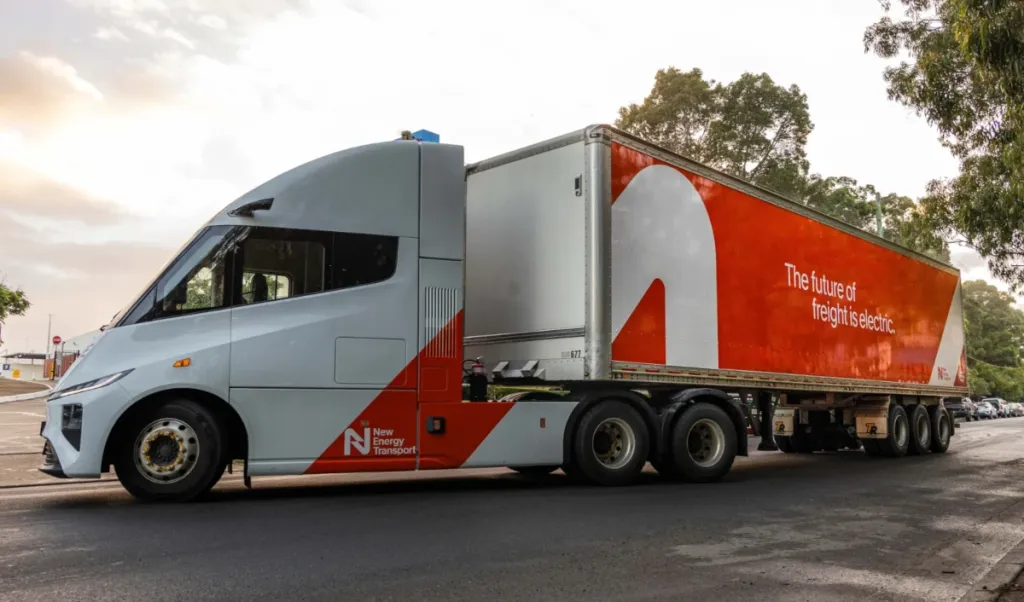
Australia commits $400m to reforms supporting electric heavy trucks
Australia has committed $400m to heavy-vehicle reforms aimed at improving freight productivity and accelerating electric-truck uptake by expanding charging infrastructure access and easing curfew and weight-limit restrictions.

T&E calls for permanent EU tax on oil companies’ excess profits
Transport & Environment says eight oil companies generated €7.5bn in EU excess profits in the first half of 2026. It is calling for a permanent windfall tax, with revenues used to reduce drivers’ exposure to volatile fossil-fuel prices and support electric driving.
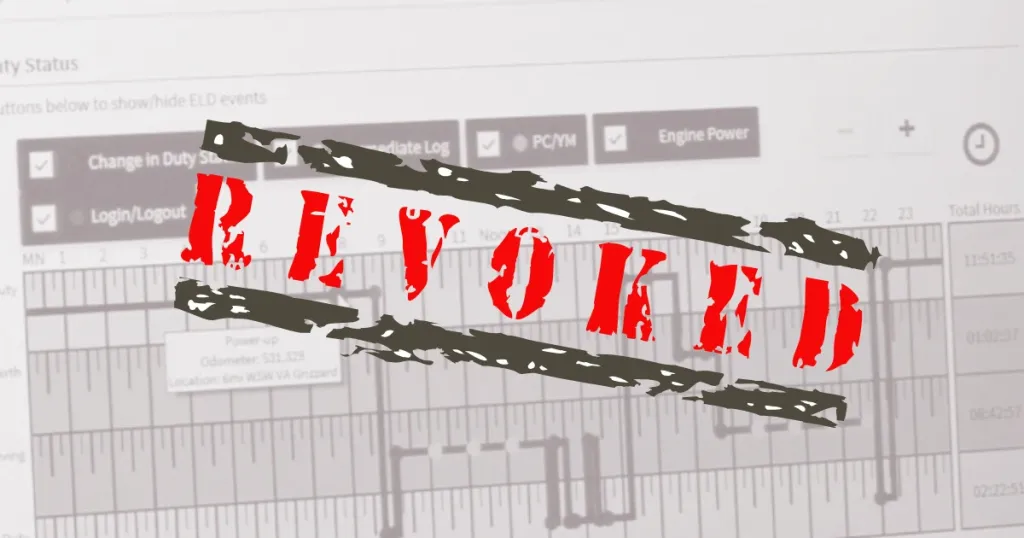
FMCSA revokes electronic logging devices over compliance failures
FMCSA revoked 10 electronic logging devices on 6 August for failing regulatory requirements, requiring fleets and drivers to replace them with compliant devices by 6 October 2026 or face hours-of-service violations and out-of-service orders.

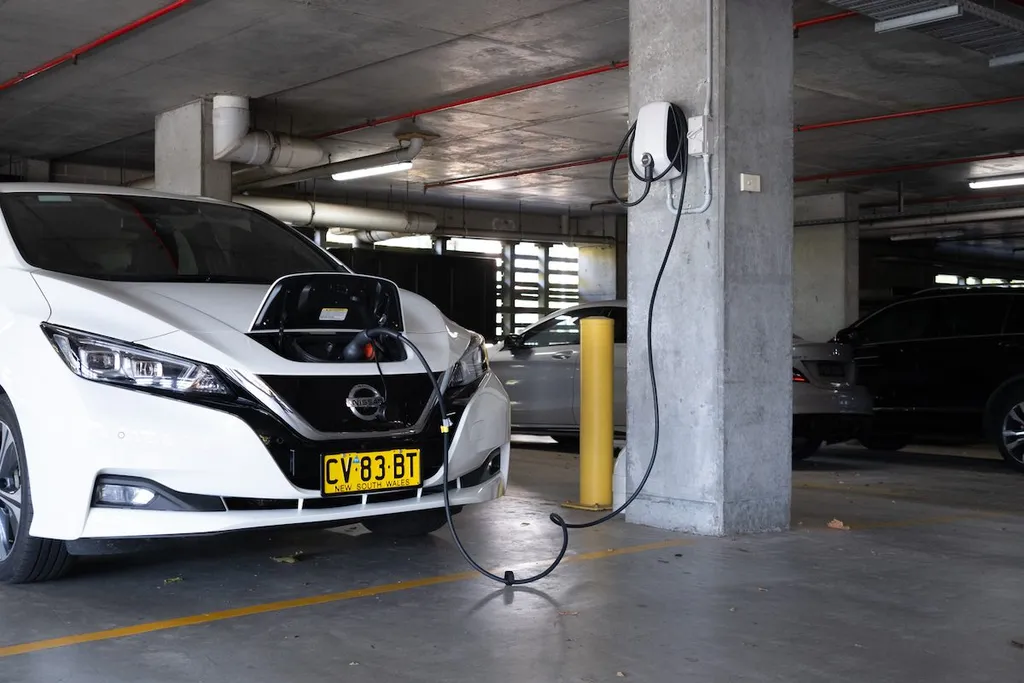
NSW committee sets out 18 recommendations for EV charging support
A New South Wales parliamentary committee has issued 18 recommendations to improve EV charging, covering apartment provision, charger siting and signage, connection processes, uptime, pricing transparency and workforce training.

Romania’s TollRo switch: how hauliers can reclaim unused rovinietă fees
Romanian hauliers can claim refunds for unused rovinietă periods when heavy vehicles move to the distance-based TollRo system. The article explains the written-application requirement and outlines the legally confirmed and proposed transition dates.

Coalition urges California Senate to advance telematics insurance bill
A coalition is urging California’s Senate to advance AB 311, which would allow drivers to opt into telematics-based insurance programmes. The bill sets consent, data-use and retention limits, while supporting anonymised driving data for road-safety planning.
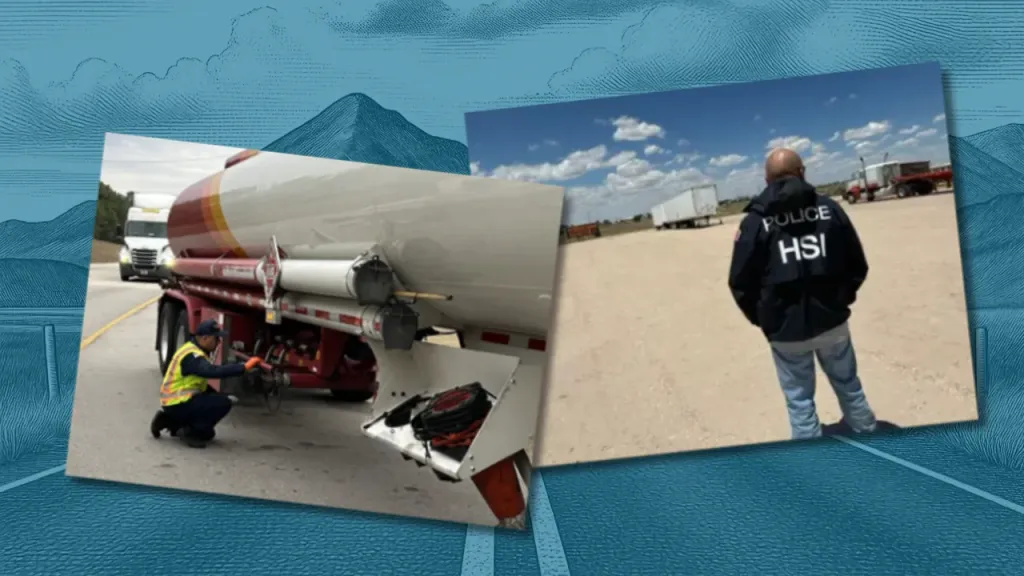
US expands Homeland Security role in truck-safety enforcement
The Trump administration is broadening Homeland Security’s role in US truck-safety enforcement, including roadside operations and investigations into CDL training schools. A July operation across four states placed 766 drivers and vehicles out of service and detained 51 people over suspected immigration violations.

Romania sets 2026 transport-operator certificate fees and online ARR process
Romania’s road authority has set 2026 fees for driver certificates, tachograph cards and licence copies, with applications handled through its online platform. The guide also outlines renewal windows, replacement deadlines and separate examination charges for transport operators.

Iran traffic-camera hack exposes cybersecurity risks for connected transport
Iran’s compromised traffic-camera network highlights vulnerabilities in connected transport infrastructure. The feature examines centralised ITS architectures, AI-enabled threats and defences, and how EU NIS2 and Cyber Resilience Act requirements are reshaping cybersecurity responsibilities.
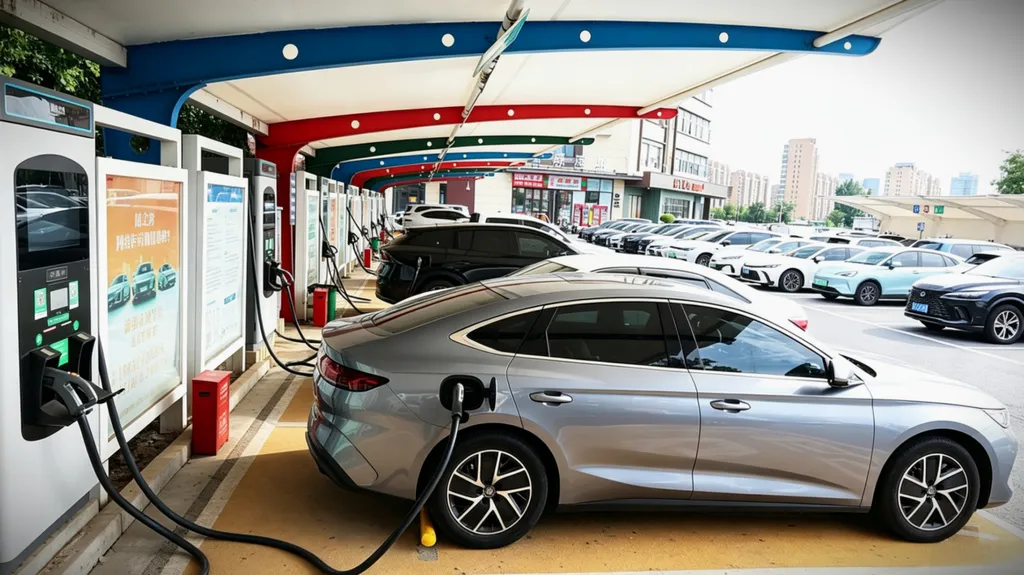
China sets 5% accuracy limit for passenger EV battery-health displays
China’s recommended GB/T 46991.1-2025 standard sets evaluation requirements for passenger EV battery-health displays, including a maximum 5% SOCE error, virtual-mileage accuracy limits and battery-retention benchmarks based on age and mileage.
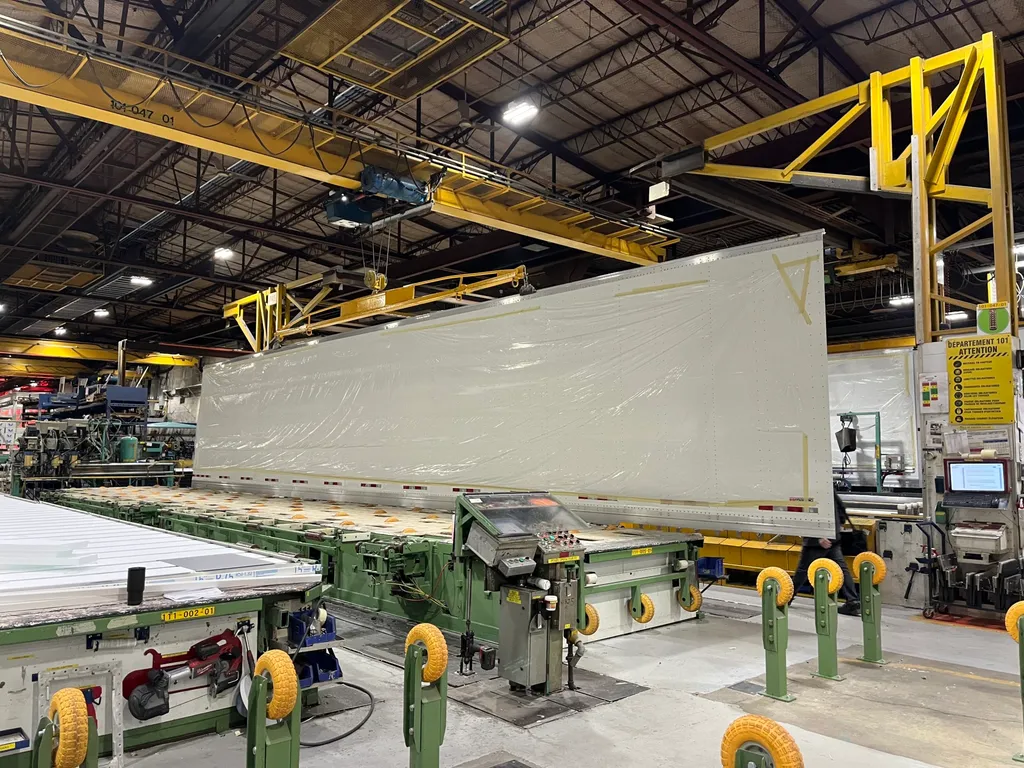
US sets preliminary 4.29% anti-dumping duty on Canadian trailer makers
The US Commerce Department has set a preliminary 4.29% anti-dumping duty on cooperating Canadian trailer manufacturers, with higher rates for non-respondents. Cash deposits will begin after Federal Register publication while the investigation proceeds to final determinations.

Washington, DC’s AV bill fuels labour battle over robotaxi deployment
Washington, DC’s proposed autonomous-vehicle legislation is intensifying a labour dispute over robotaxi deployment, driver employment and hybrid human-AV networks. Uber supports AVs but backs workforce safeguards, while Waymo opposes market restrictions.
AI rules raise compliance requirements for telematics-based insurance
The article outlines forthcoming EU AI Act obligations for high-risk systems and compares them with AI rules affecting insurers in the US, Canada and UK. It highlights explainability, traceability, human oversight and accountability for telematics-based driver scoring.

EU electrification plan sets out V2G and EV policy measures
The European Commission’s Electrification Action Plan proposes measures to increase electric-vehicle uptake, expand charging for cars and trucks, and enable vehicle-to-grid services. It includes planned V2G requirements for new EVs by 2027 and grid-connection targets for electric trucks by 2040.