Technology News, Analysis and Market Intelligence
SearchTrack technology news alongside market analysis, provider activity, and connected mobility intelligence from PAVE Insight.

HEA calls for faster UK policy action to scale hydrogen industry
The Hydrogen Energy Association is urging the UK Government to provide clearer, faster policy support for hydrogen projects and supply chains. Its report estimates the industry could support 4,000 direct jobs by 2030, rising to 17,000 with improved policy.

BYD reveals third-generation Tang EV interior and key specifications
BYD has unveiled the third-generation Tang EV’s cabin, with two new colour schemes, a panoramic roof and a Star Ring display. The SUV offers a second-generation Blade Battery, up to 850 km of CLTC-rated range, flash charging and an intelligent driving-assistance system.
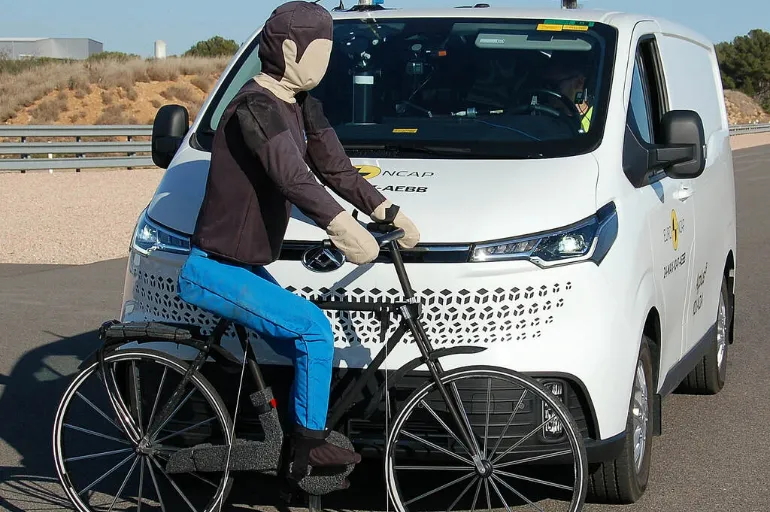
ANCAP urges broader safety focus as commercial-vehicle fatalities rise
Australia’s mid-term road-safety review found fatalities involving light commercial vehicles rose by an average 12.1% and those involving heavy vehicles by 7.2% against the baseline. ANCAP is urging fleets to prioritise safety technology and calling for more consistent national crash data.
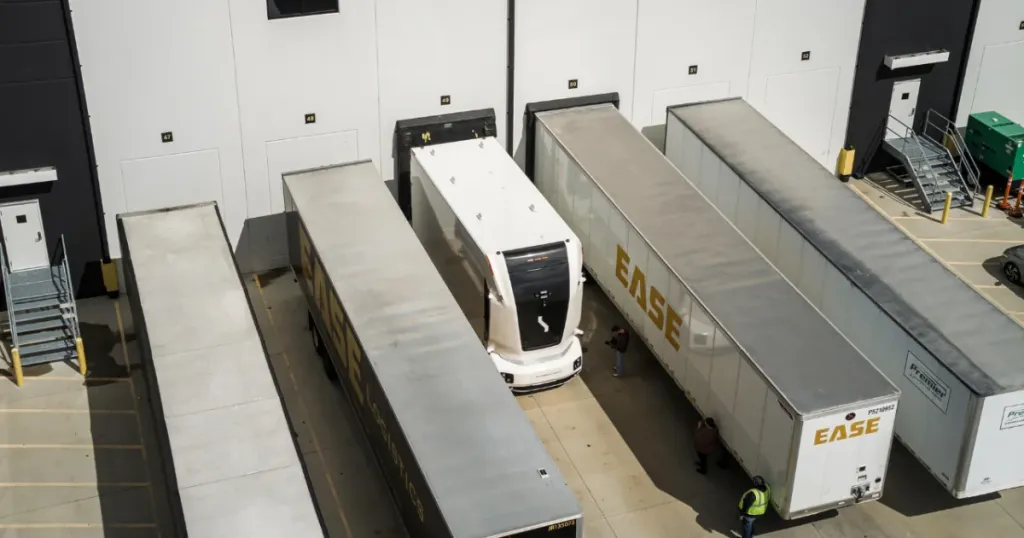
Einride begins daily driverless electric truck operations in Ohio
Two SAE Level 4 electric trucks have begun daily freight runs for EASE Logistics in Marysville, Ohio. The companies will use operational data on safety, reliability, efficiency and uptime to inform possible expansion.

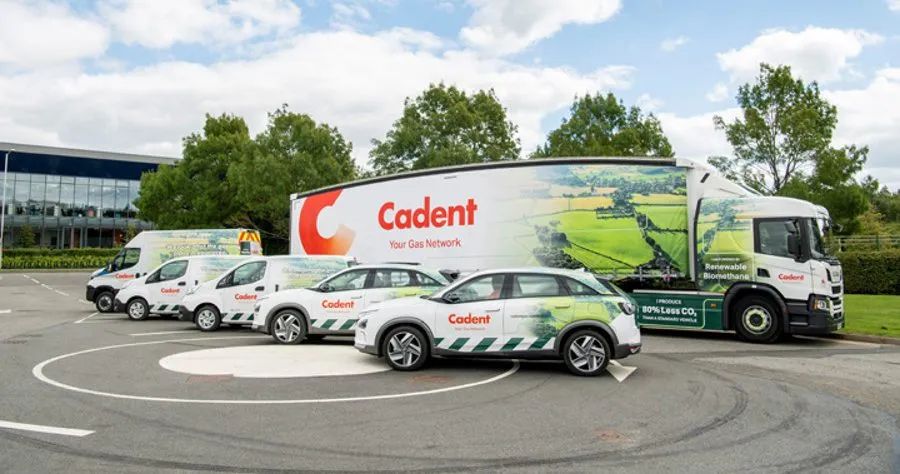
Cadent selects Samsara for telematics and fleet safety
Cadent will roll out Samsara’s platform across about 2,800 commercial vehicles in the UK, using AI dash cams and in-cab coaching to improve driver safety and manage road risk.
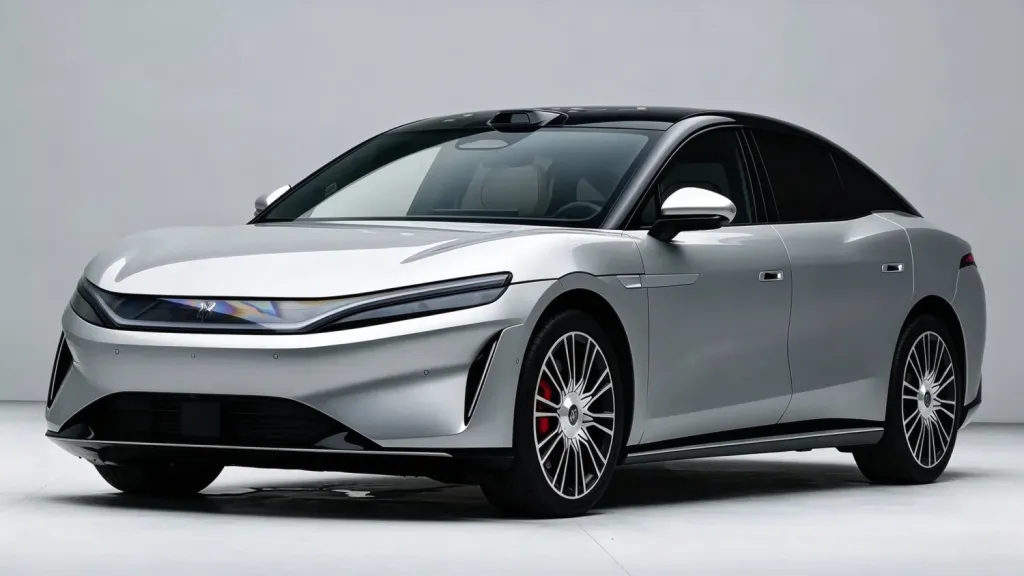
BYD Da Han EV set for China launch with up to 1,008 km range
BYD will launch the Da Han EV in China on 13 October. The sedan’s 102.3 kWh LFP battery offers up to 1,008 km of CLTC range, with charging from 10% to 97% in nine minutes at compatible high-output stations. LiDAR-equipped Level 2+ driver assistance is standard.

5GAA and IOWN Global Forum agree to collaborate on connected mobility
5GAA and the IOWN Global Forum signed a letter of intent to collaborate on next-generation communications for connected mobility, including mobile edge computing use cases, performance requirements and automotive architecture mapping.
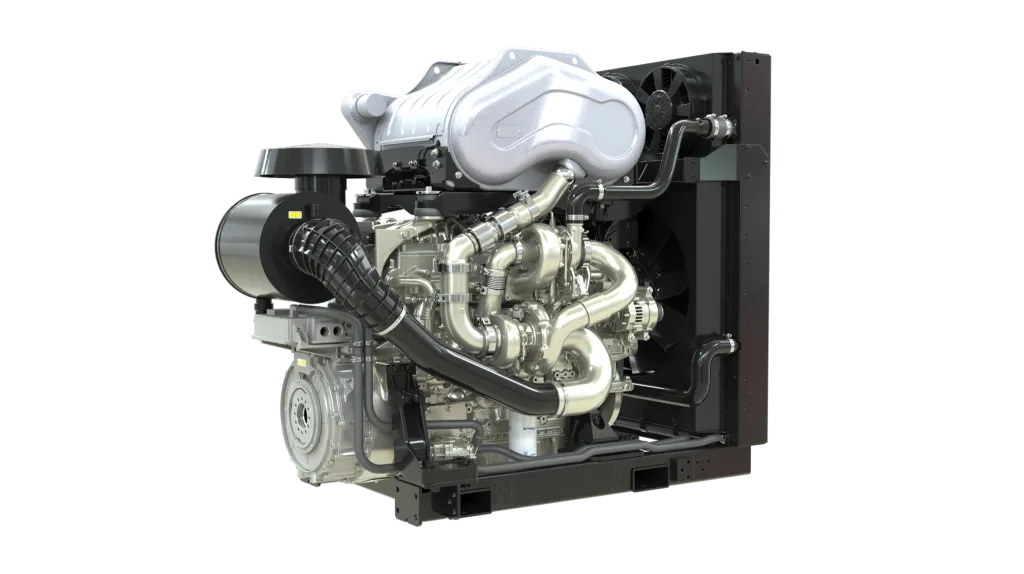

Ford and MongoDB explore VISS cloud integration for truck-fleet data
A VISSR proof of concept uses simulated truck telemetry sent via MQTT to a cloud backend, exploring how VISS vehicle data and truck-trailer structures can be synchronised and managed for fleet monitoring.

GM launches OnStar Fleet Intelligence platform with AI assistant
GM has launched OnStar Fleet Intelligence, a fleet-management platform combining connected-vehicle data, operational tools and analytics. Its AI assistant lets fleet managers query data using natural-language prompts; access is beginning with select customers.
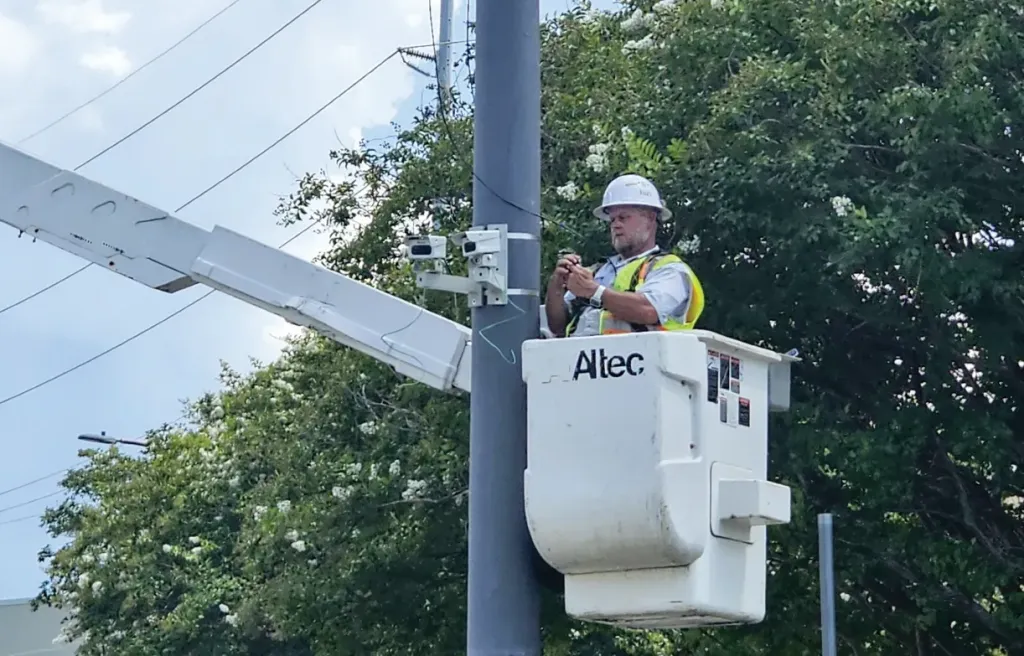
Opsys highlights operational challenges in scaling roadside lidar
Opsys says reliable, easy-to-maintain sensors with onboard processing can reduce the equipment and specialist support needed to scale lidar deployments for traffic management.

Connected-vehicle rules raise market-access and compliance stakes for automakers
The US Connected Vehicle Rule restricts certain China- and Russia-linked vehicle software and hardware, while European rules focus on cybersecurity, data governance and type approval. The article examines how regulation is prompting automakers to reassess regional strategies, platforms and supply chains.

5GAA and GSMA assess post-quantum cryptography for connected vehicles
A 5GAA and GSMA report examines how post-quantum cryptography could affect V2X and network communications, including performance, legacy fleets, standardisation and the transition to quantum-resilient vehicle security.

SureCam article outlines ways to reduce workload in AI driver coaching
SureCam outlines how fleet operators can prioritise AI-generated driving alerts, document coaching and track outcomes. It cites a customer that reported a 75% fall in third-party claims and reduced claims-handling time after deploying cameras and same-day or next-day coaching.

Kyocera validates multi-hop 5G mmWave repeater network in San Diego
Kyocera validated a three-hop mmWave repeater network on Qualcomm’s San Diego campus. The repeaters autonomously selected relay paths and extended 5G coverage into areas obstructed by buildings and vegetation, demonstrating a way to expand coverage without adding base stations.
Inspiration Fleet launches data-integration platform Garage 2.0
Inspiration Fleet has introduced Garage 2.0, an AI-native platform that combines vehicle, telematics, fuel, energy and operational data from different providers. It is designed to help fleets analyse performance and retain historical reporting when changing vendors.

Trackunit and DEWALT partner to track tools across construction sites
Trackunit and DEWALT will integrate DEWALT Tool Connect with Trackunit’s Bluetooth network, enabling contractors to locate tools through connected equipment already on site. The partnership launches worldwide, with deeper data capabilities planned as the platform expands.

Euclidic uses 379 million kilometres of data to refine fleet safety benchmarks
Euclidic analysed seven years of telematics data from Australia and New Zealand to benchmark driver risk by region and vehicle weight. Its research also found 42% of speeding samples were momentary, helping the company reduce peak daily alerts from about 2,400 to 1,400.
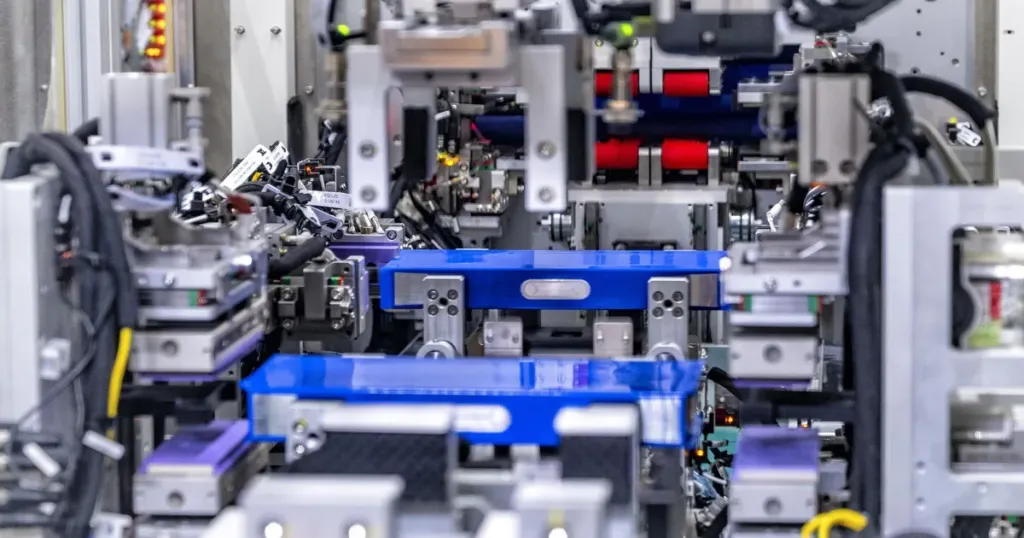
Groups urge battery supply-chain criteria in Europe’s Industrial Accelerator Act
T&E, European Metals and RECHARGE have urged EU co-decision makers to include thresholds for refined battery-grade raw materials, pCAM, AAM and recycled materials in the Industrial Accelerator Act’s incentives, to support investment and resilient European supply chains.
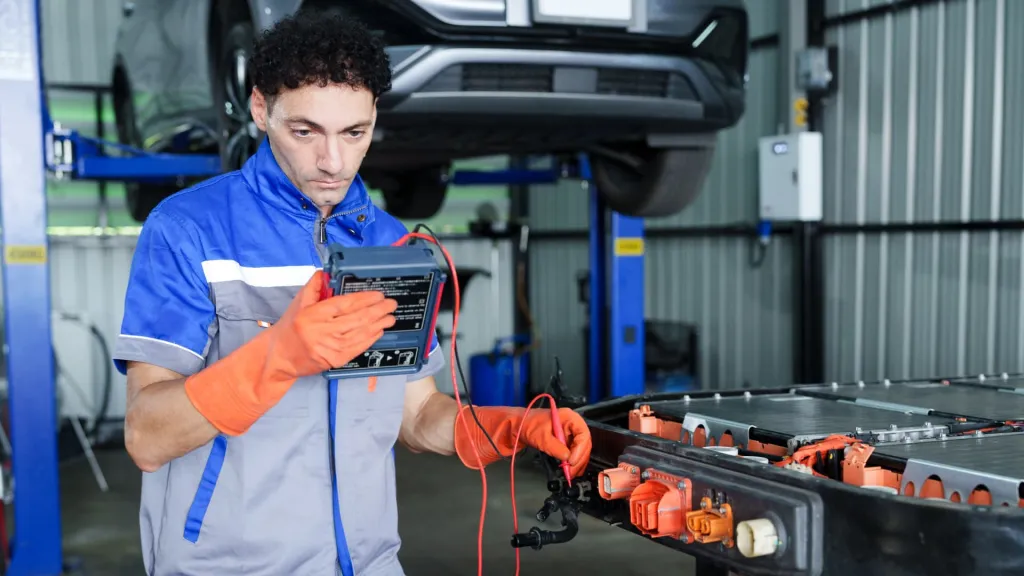
High-tech vehicle systems add costs for repair shops and consumers
Independent repair shops say recurring software subscriptions, computer upgrades and ADAS calibration equipment are increasing costs as vehicles become more technologically complex. US repair costs rose about 60% from January 2019 to August 2026, while a 2023 AAA study found ADAS calibration can add 37.6% to collision repairs.

Tesla’s Cybercab fleet grows in Texas as expansion challenges emerge
A month after its Austin launch, Tesla had 169 Cybercabs authorised for commercial use in Texas, up from 45. Passenger complaints, technical issues and a federal safety inquiry could complicate plans to expand the driverless ride-hailing service.
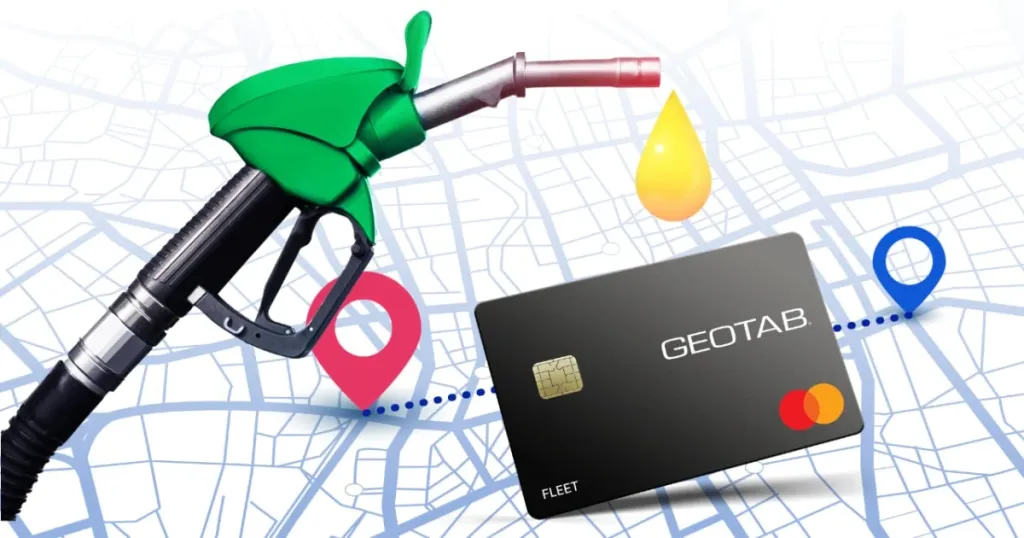
Geotab launches fleet card using vehicle data to verify purchases
Geotab’s Fleet Card, developed with AtoB, is available to eligible US fleets. It uses vehicle location and fuel-level data to authorise purchases and offers discounted fuel, spending controls and payment options for other on-road costs.

ReSKILLING launches CCAM employment and skills observatory
The observatory brings together evidence on CCAM-related jobs, skills and reskilling needs in Europe’s transport sector. Its first operational version includes interactive searches and an AI-powered tool for answering questions from curated sources.
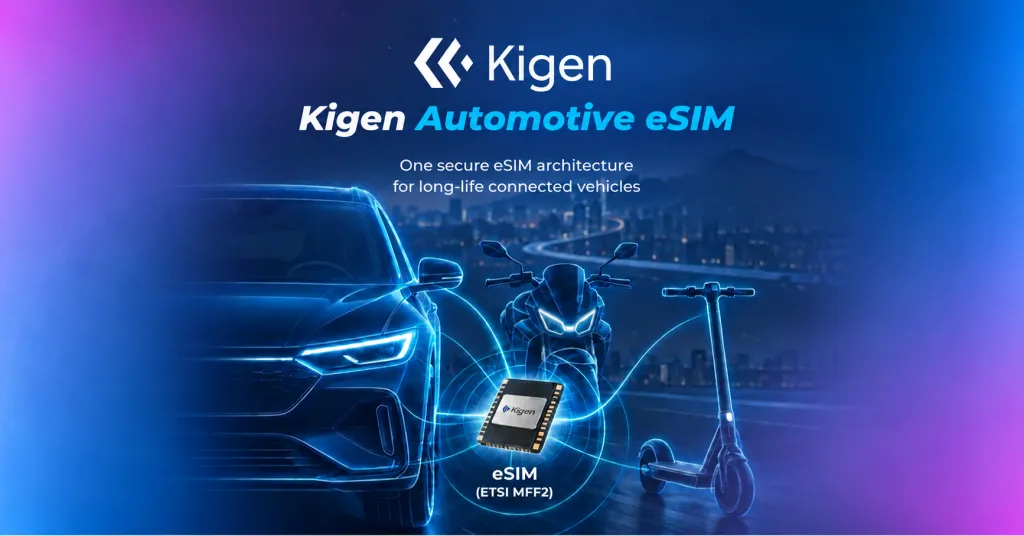
Kigen automotive eSIM gains GSMA eSA certification
Kigen says its automotive eSIM is the first certified to GSMA’s SGP.32 v1.3 specification. Developed with Infineon’s automotive security controller, it supports connected-vehicle connectivity and is planned for OEM sampling from October 2026, including for Chinese automakers.
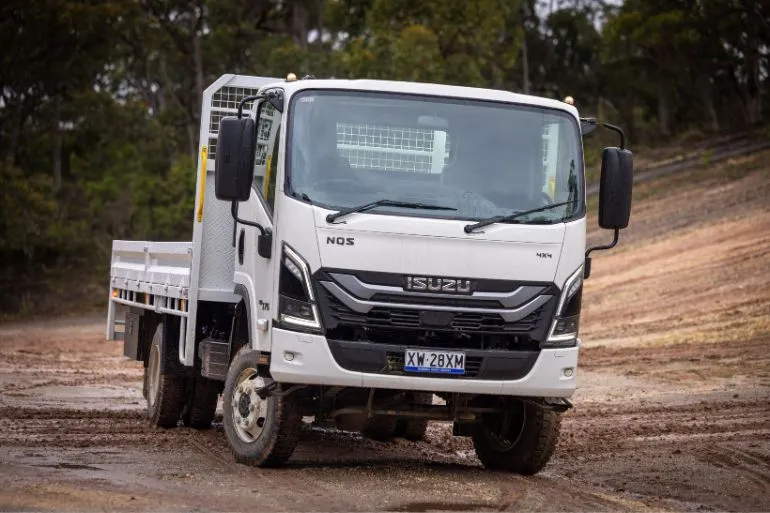
Isuzu NQS 4×4 adds nine-speed transmission for emergency fleets
Isuzu’s NQS 4×4 pairs a nine-speed dual-clutch transmission with an 8,000kg gross vehicle mass, targeting emergency services, mining and other fleets with shared drivers. The transmission is intended to make the truck easier to operate while retaining off-road capability.
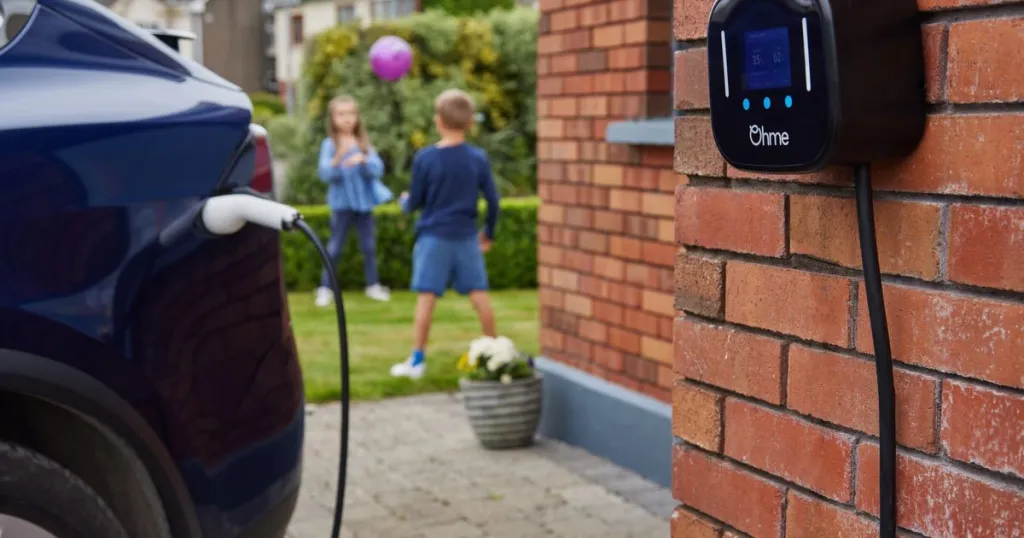
Germany changes rules for vehicle-to-grid power flows
Germany’s grid agency has adopted rules allowing batteries, including those in electric cars, to draw power from and feed it back to the grid. Industry groups say complex requirements for state support and smart meters could still hinder bidirectional charging.
Fleet surveillance raises privacy and legal risks for trucking firms
GPS tracking, cameras and AI monitoring can support fleet safety, but US carriers face differing state rules on notice, consent, audio and biometric data. FleetOwner outlines steps including clear policies, limited monitoring and human review of AI alerts.
Trailer telematics helps fleets improve utilisation and cut costs
Connected trailer sensors and telematics are helping fleets optimise trailer pools, prevent maintenance failures and reduce detention. AI is expected to turn fleet data into predictive actions; the article cites up to $4m in deferred capital spending and annual savings of $50,000–$75,000 from dwell-time alerts.

Panasonic engineer discusses Unified HMI contributions to AGL
Kenta Murakami describes his work contributing Panasonic’s Unified HMI display-virtualisation technology to Automotive Grade Linux, including enabling support for SoDeV. He says AI coding tools helped him understand the architecture and debug the work.
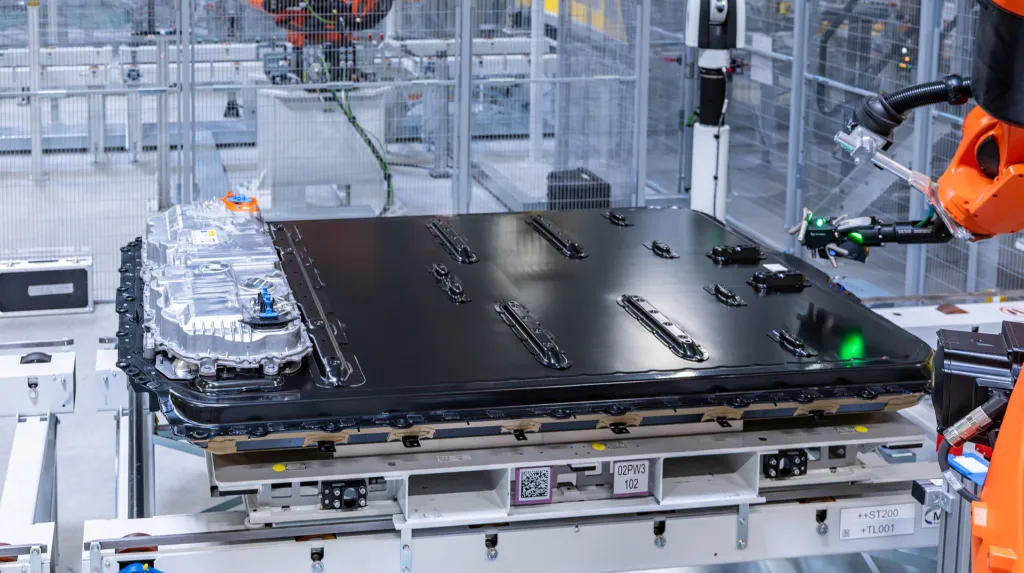

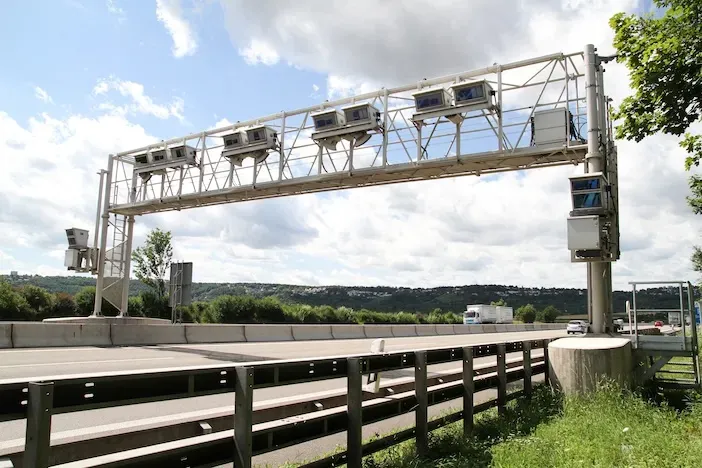
e-con Systems launches edge-AI camera for free-flow tolling
e-con Systems has launched TrafficSenz, a 5MP edge-AI ANPR camera for multi-lane free-flow tolling and traffic enforcement. It combines imaging, pulsed infrared illumination, vehicle triggering and on-camera processing, and will be demonstrated at ITS India Congress in New Delhi.

Onsemi and Valens collaborate on cost-optimised A-PHY camera solution
Valens and Onsemi are collaborating on a cost-optimised A-PHY solution integrated with Onsemi image sensors for high-volume 3MP automotive cameras, targeting a simpler route for OEMs and Tier 1 suppliers to deploy connected camera systems.

Rossant highlights AI and autonomy in fleet operations
CoMotion founder John Rossant says AI and the energy transition are reshaping fleet operations, with AI moving towards integrated systems that take action. He also points to links between electrification and autonomy in Europe and growth in autonomous mobility in the Middle East.

UNECE adopts global regulation for automated driving systems
A UNECE regulation adopted in June 2026 creates a common framework for automated driving systems spanning SAE Levels 3–5. It sets requirements for manufacturers’ safety management and vehicle assessment; first type-approved vehicles could emerge in late 2027 or 2028.
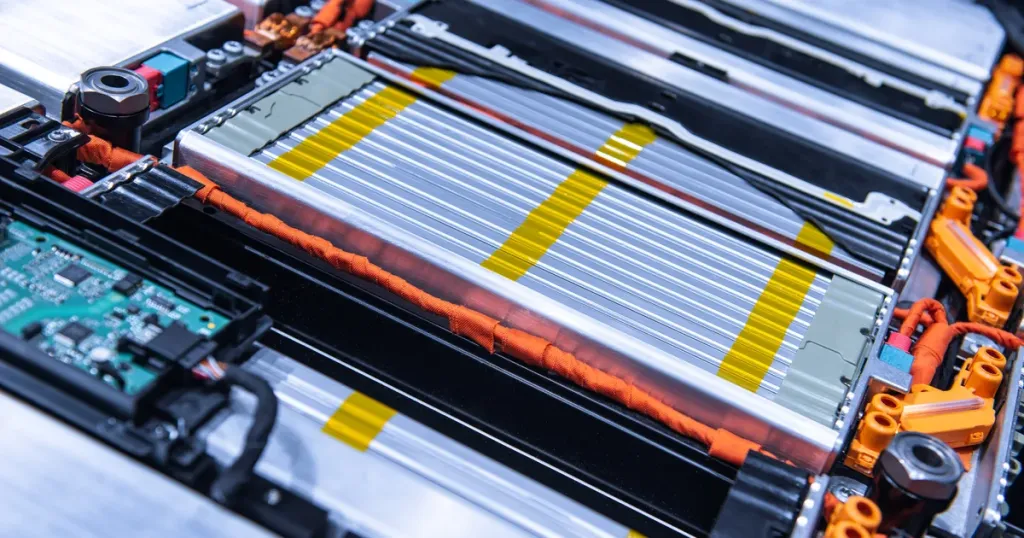
T&E says EU battery-cell capacity can meet 2030 demand under local-content rules
T&E analysis finds Europe could supply enough battery cells by 2030 for eligible EU-built electric vehicles, if planned projects proceed. It says local-content requirements could strengthen demand and investment in European cathode materials and other battery components.
T&E says IAA incentives could strengthen Europe’s battery value chain
T&E says incentives in the proposed Industrial Accelerator Act are needed and achievable to scale Europe’s battery industry. It cites cancelled or shelved EU cell capacity and says European production could meet demand from eligible vehicles by 2030.

Samsung to supply AI-RAN technology for South Korean industrial trials
Samsung has signed contracts with KT and SK Telecom to supply technology for South Korea’s two-year Hyper AI Network programme. Field trials using private 5G, edge AI and industrial robots are due to begin in October 2026; the projects will test systems, not launch commercial services.

Abu Dhabi launches AI platform for transport planning
Abu Dhabi’s Integrated Transport Centre has launched Dune, a platform combining agentic AI, analytics, transport models and simulation to help planners assess policy and development options before implementation.

FCC proposes modernising US rules for ultra-wideband technology
The FCC has proposed updating its ultra-wideband rules, which the Car Connectivity Consortium says would support automotive digital key deployments by bringing regulation in line with current technology. The consortium plans to take part in the rulemaking.

RAM Tracking launches automatic driver and occupant beacons
RAM Tracking has introduced Bluetooth beacons that compatible vehicle trackers detect automatically, linking journeys to drivers and passengers without taps or log-ins. Fleet operators can view occupant details in live maps, route replay and reports.

Chery launches Jetour G700 plug-in hybrid with Huawei ADS 5.0
Chery has launched the Jetour G700 in China, priced from 329,900 yuan. The plug-in hybrid SUV features Huawei’s Qiankun ADS 5.0 driving system, with battery options offering claimed CLTC electric ranges of 150 km or 260 km.

Gotion targets 400 Wh/kg and US$150/kWh for solid-state batteries
Gotion says its solid-state cells have passed puncture and high-temperature tests without smoke or flames. The Volkswagen-backed battery maker targets energy density of 400 Wh/kg and a price of US$150/kWh as it prepares the cells for commercialisation.

Motive outlines AI agents and voice tools for real-time fleet safety
Motive describes its Atlas Voice assistant and AI Agents, which use telematics and safety events to support hands-free assistance and immediate fleet responses. The company says its recent rollout also enables managers to see and speak with drivers in real time.

Valerann begins AI traffic-management pilots in Italy and Brazil
Valerann is trialling its Lanternn traffic-management platform on Italy’s A22 motorway and Brazil’s Rodovia das Colinas. The pilots will test AI data fusion, incident detection and operator decision support using existing infrastructure.
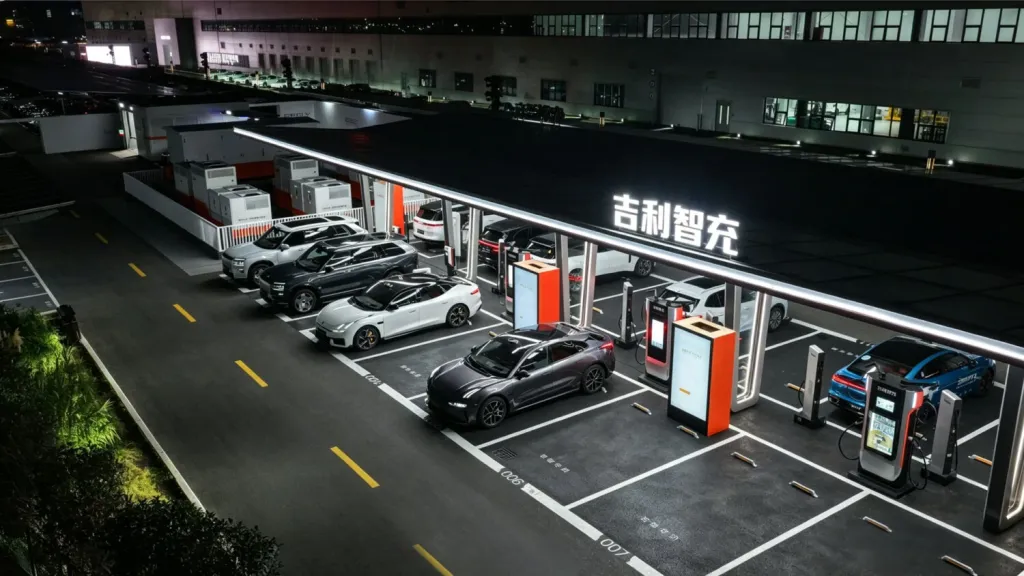
Geely deploys 2,250 kW charging stations in five Chinese cities
Geely has deployed its Smart Charging C12 stations in five Chinese cities, with peak output of 2,250 kW per connector. An AI algorithm predicts battery temperature changes to manage charging power; the company plans 15,000 stations across China by 2027.