Track research & development news alongside market analysis, provider activity, and connected mobility intelligence from PAVE Insight.
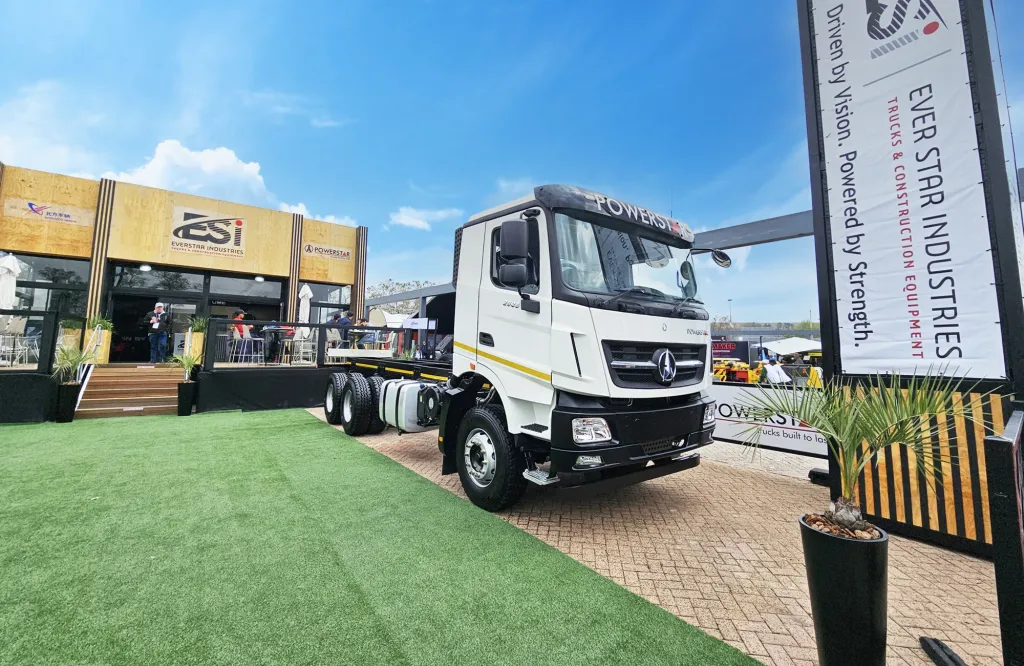
Powerstar showcases trucks and tests Euro 5 prototypes in South Africa
Powerstar distributor Ever Star Industries showcased construction and mining trucks at Electra Mining Africa, while testing new 6×4 Euro 5 manual and automatic prototypes. The company also highlighted local assembly, expanded production and demand for water tankers in South Africa.

Digital twins support CCAM pilots across four European cities
Horizon Europe project FRODDO is using digital twins to test connected and automated mobility applications, including traffic-management simulation, early warnings, demand prediction and autonomous tow-truck monitoring across pilots in Ljubljana, Athens, Modena and Bursa.

Kapsch begins real-world V2X trial in Buenos Aires
Kapsch TrafficCom has begun a proof-of-concept V2X trial in Buenos Aires, connecting vehicles, roadside infrastructure and traffic management systems. The pilot is testing alerts for road hazards and closures, with traffic-signal priority and public-transport applications planned.

Samsung and Verizon complete AI-powered 5G ISAC trial
Samsung and Verizon completed an AI-powered integrated sensing and communications trial over commercial 5G infrastructure in Dallas. The vRAN-based system generated crowd-density heatmaps from radio signals without dedicated cameras, lidar or sensing hardware, demonstrating a potential foundation for 6G capabilities.
Fatigue Science and Dot Transportation begin predictive fatigue pilot
Dot Transportation is piloting Fatigue Science’s Readi platform to predict driver fatigue risk before shifts and help supervisors plan interventions. The trial will assess how AI-generated fatigue insights can complement Samsara telematics and existing fleet safety processes.
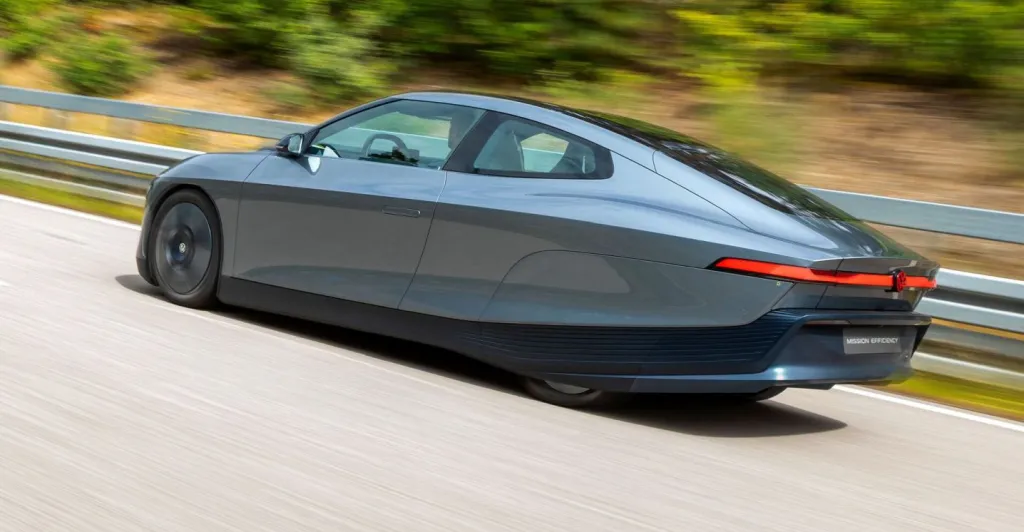
VW reveals ultra-efficient prototype EV with 1,278km real-world test range
Volkswagen has revealed the Mission Efficiency prototype, an MEB+ electric coupé achieving 6.89kWh/100km and a 0.158 drag coefficient. Its 54.9kWh battery completed a 1,278km test route with one charge, supported by lightweight materials, aerodynamics and solar generation.

Toyota demonstrates voice messaging over Iridium satellite connectivity
Iridium, Deutsche Telekom IoT and Toyota have demonstrated standards-based NB-IoT voice messaging from a vehicle via Iridium’s global satellite network. A roaming agreement is complete, with commercial availability for Deutsche Telekom IoT customers planned for the fourth quarter of 2026.

BYD plans solid-state battery vehicle demonstration next year
BYD executive Stella Li says the company plans to put its solid-state battery technology into a vehicle next year. The demonstration will test sulfide-cell integration, while pilot production and mass-market manufacturing remain further down the roadmap.
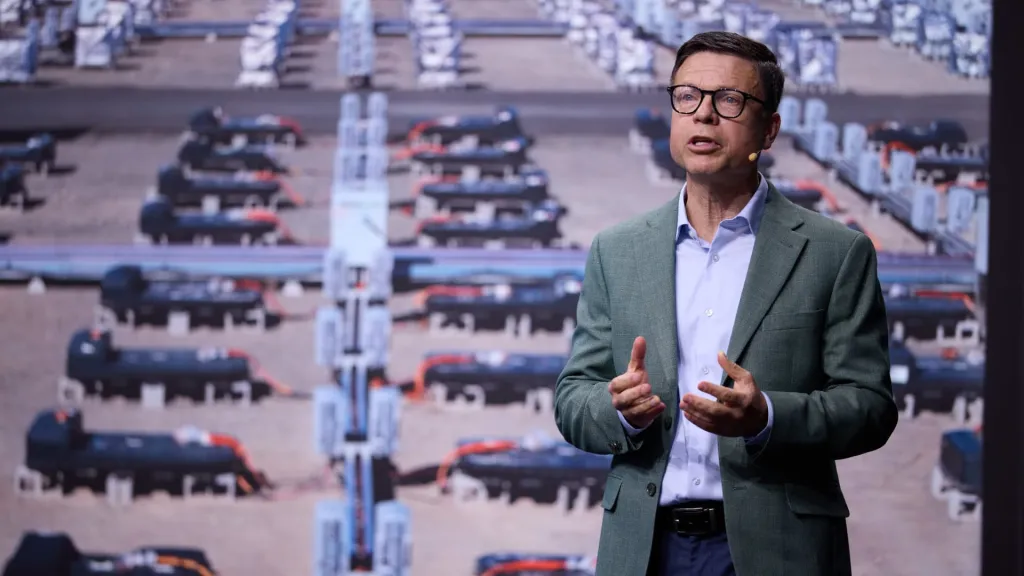
GM plans US sodium-ion battery production with Peak Energy
General Motors is developing sodium-ion battery cells with Peak Energy for energy storage, targeting commercial production around 2029. It is also investing $900m in US battery laboratories and aims to build domestic cell supply for future electric vehicles.
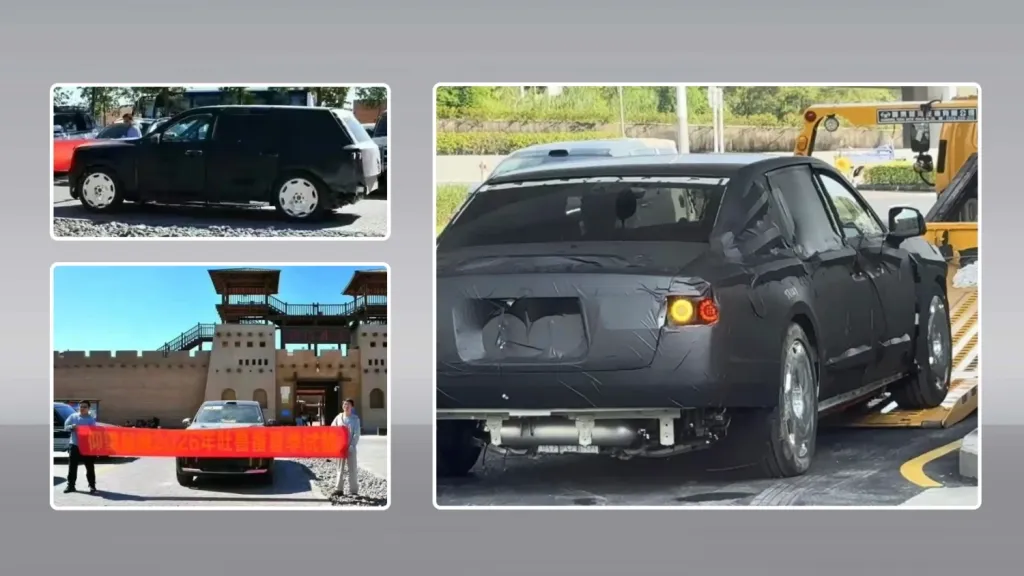
Yangwang develops Rolls-Royce-inspired sedan and SUV rivals
BYD’s Yangwang is developing a large luxury sedan and SUV, both reportedly inspired by Rolls-Royce models. The vehicles have been spotted in China, with the SUV undergoing high-temperature testing and potentially featuring BYD’s DiPilot assisted-driving system.
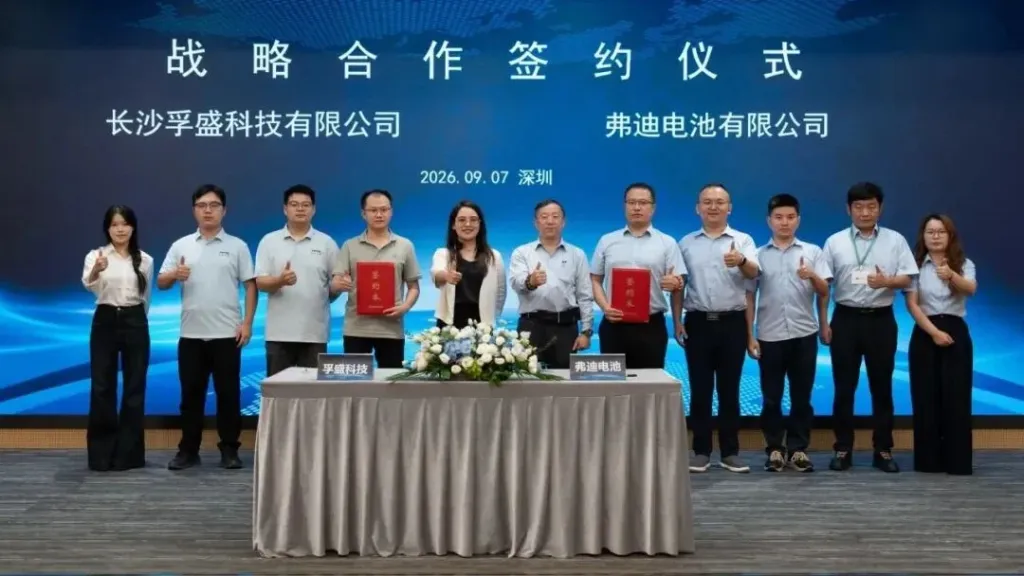
BYD to develop Blade batteries for industrial rail locomotives in China
BYD’s FinDreams Battery has partnered with Changsha Fusheng Technology to develop automotive-grade Blade Battery systems for industrial and mining rail locomotives. FinDreams will support battery R&D and manufacturing, while Changsha Fusheng handles integration and application development.
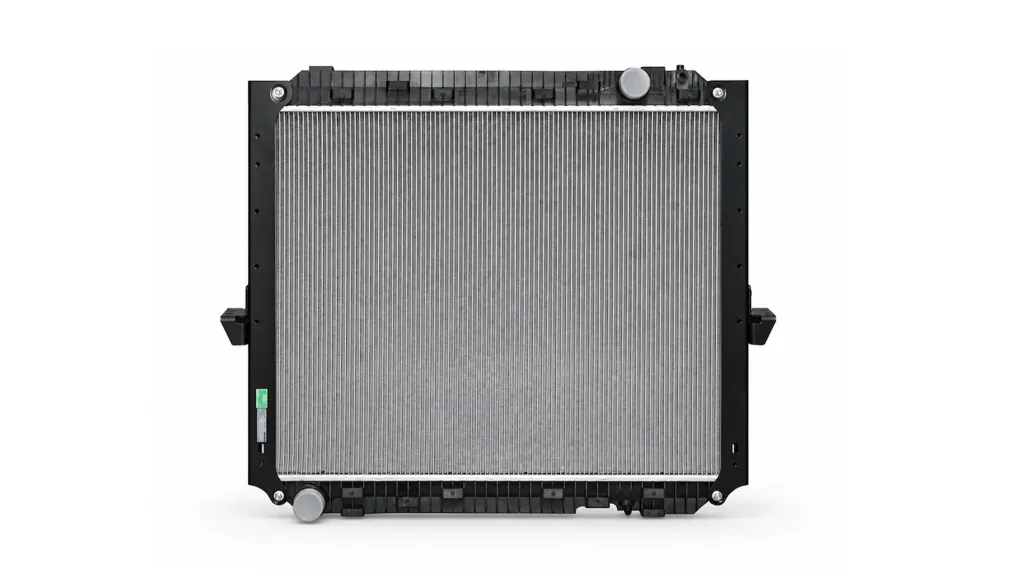

FBK advances single-photon research for LiDAR and quantum technologies
FBK’s Sensors and Devices Center is developing single-photon technologies, including a photon-counting camera intended for medical diagnostics and autonomous-driving LiDAR sensors, alongside research into quantum security and communications.

Audi plans to split China operations between SAIC-Audi and FAW-Audi
Audi plans to make SAIC-Audi responsible exclusively for its four-letter AUDI electric-vehicle brand in China, while FAW-Audi takes its traditional four-ring models. The restructuring follows falling deliveries and includes a new SAIC-Audi-Audi-Volkswagen R&D joint venture.

AI digital twins help cities model street-level pollution and traffic responses
EU-funded MODELAIR researchers are developing AI-powered 3D digital twins that combine sensor data, simulations and weather forecasts to predict street-level pollution in real time. Trials in Brussels, Madrid and Bristol will support traffic planning, monitoring and local pollution controls.
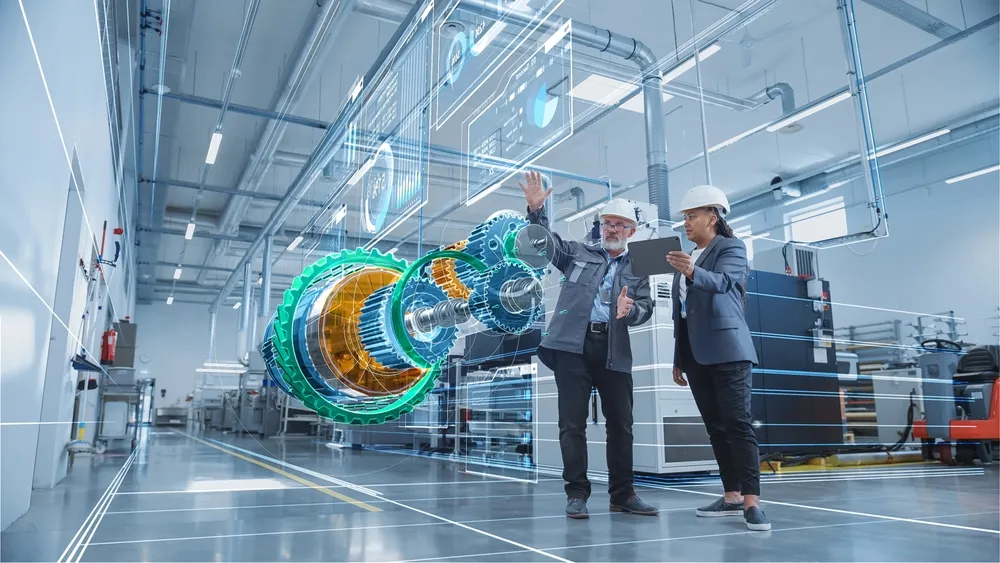
Advanced materials could improve electric-motor efficiency
EU-funded researchers have developed cobalt-free metallic-glass alloys and a laser 3D-printing process for electric-motor components. The work could cut energy losses, reduce critical-material use and eventually improve motor efficiency by up to 5%, although industrial-scale production remains challenging.

European consortium launches HiPower 5.0 power-electronics project
A 45-partner European consortium is developing GaN and SiC power electronics for electric mobility. HiPower 5.0 targets more efficient, compact and durable inverters, predictive health management and lifecycle sustainability across automotive and maritime applications.
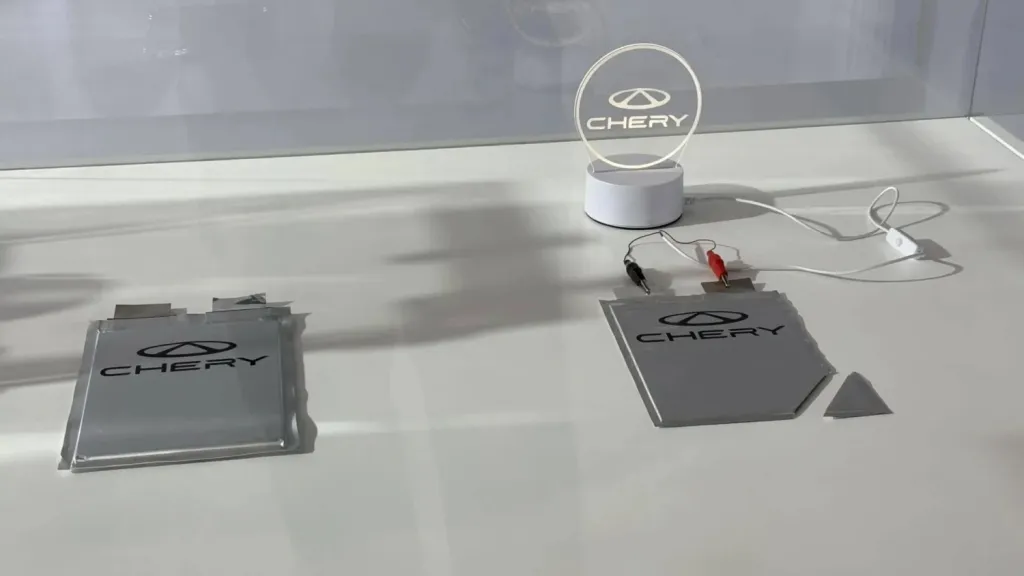
Chery plans 2027 real-world tests for solid-state batteries
Chery will begin vehicle verification of solid-state batteries in 2027, following development of cells reaching 400 Wh/kg. The automaker plans to invest 10 billion yuan in the technology and will start installing semi-solid battery packs in vehicles in late 2026.
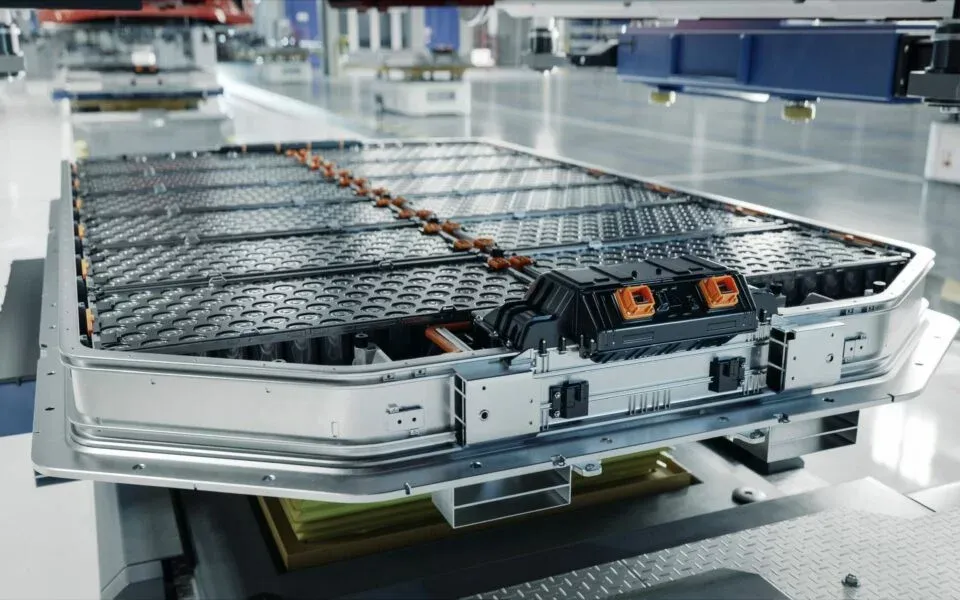
China-led solid-state EV battery standard process advances as pilot lines scale
The IEC has approved a China-led proposal to develop an international solid-state EV battery standard. New Chinese tax rules, pilot-line activity and prototype testing show technical progress, but commercial-scale production remains several years away.
AGL GSoC projects target AI cameras, Bluetooth and LiDAR perception
Automotive Grade Linux’s 2026 Google Summer of Code projects include an AI-enabled multi-camera backup system, a modern BlueZ Bluetooth integration and ROS2-based simulated LiDAR perception using CARLA and embedded hardware.
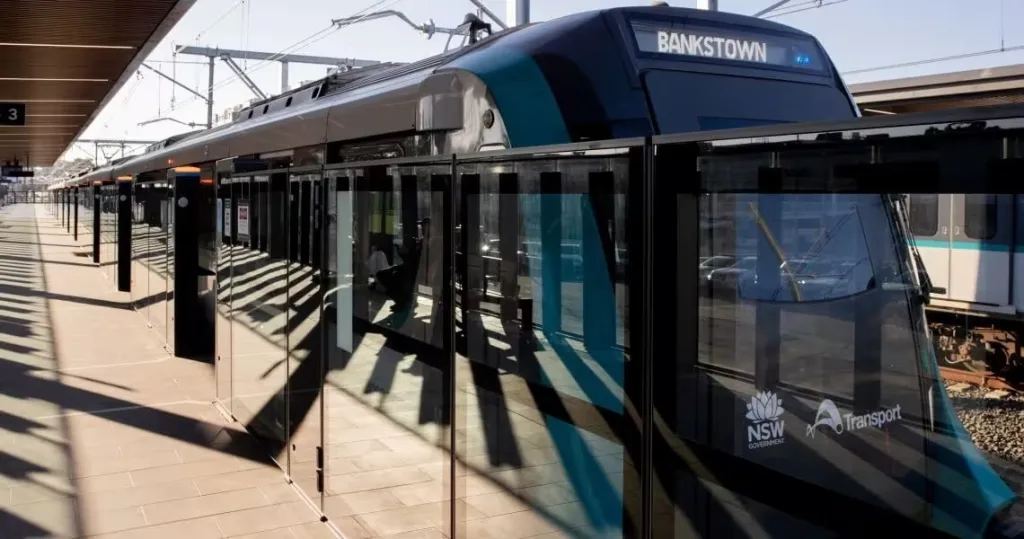
Sydney Metro completes Southwest line trial running
Sydney Metro has completed five weeks of trial running on the Southwest line, testing more than 130 operational scenarios. Further driverless-train testing and independent regulatory assessment will precede accreditation and the line’s opening.
BERTHA validates secure data-sharing infrastructure for connected automated driving research
The BERTHA CCAM project has developed and validated a scalable data-sharing infrastructure using Apache NiFi and Kubernetes. Secure transfer protocols, controlled access and data governance support consortium collaboration, while migration to the Phoenix cluster is intended to preserve research datasets and tools beyond the project’s funding period
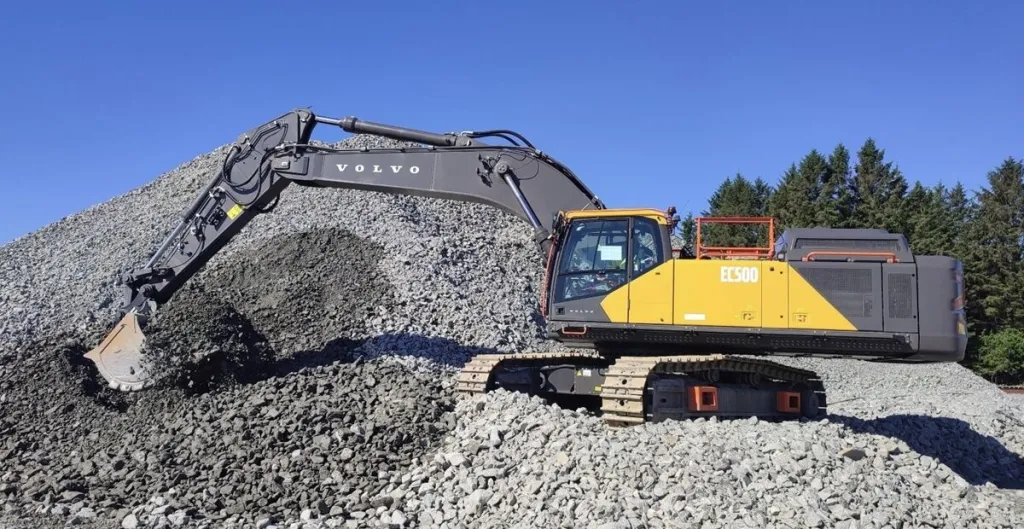
Volvo CE tests electric EC500 excavator in Norway
Volvo Construction Equipment has begun customer testing its 50-tonne EC500 Electric pre-build excavator in Norway. The machine combines onboard battery power with grid connection via a 35-metre cable reel, with sales expected from spring 2027 and serial deliveries by year-end 2027.
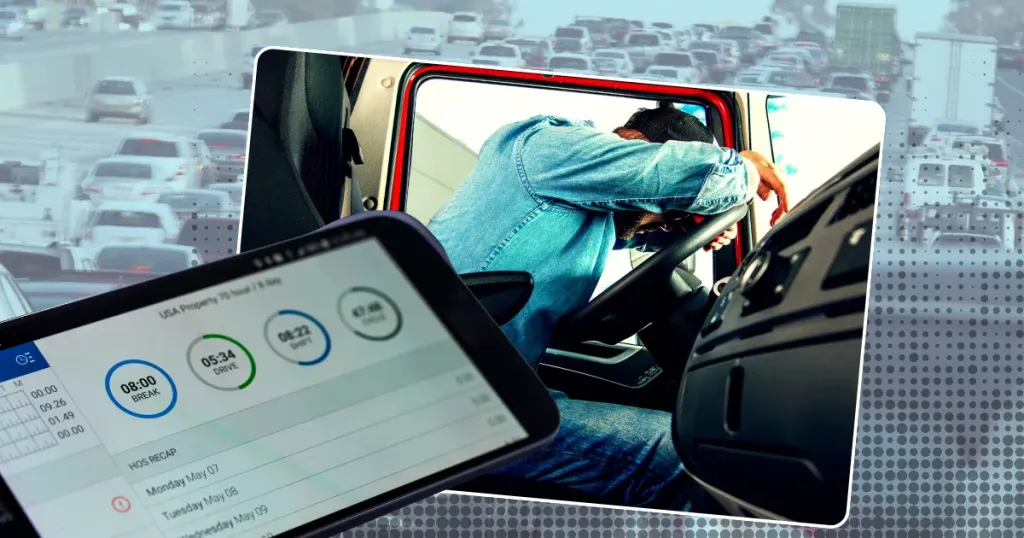
FMCSA prepares 2027 pilots for more flexible truck driver hours
FMCSA has completed pre-tests for pilots examining flexible sleeper-berth rules and pauses to drivers’ 14-hour clocks. Full programmes are planned for 2027, with up to 512 truck drivers participating across the two studies.
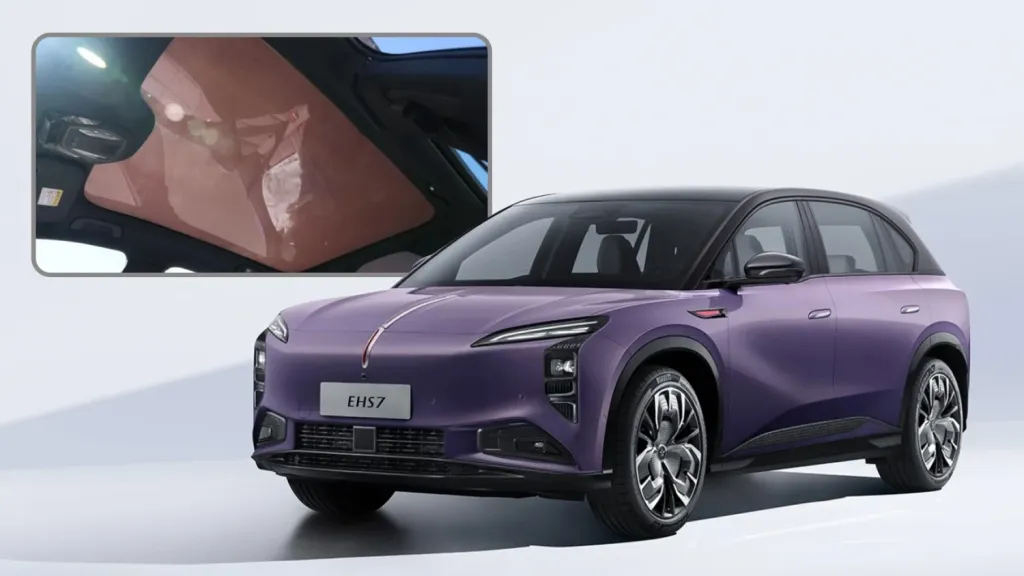
Hongqi develops perovskite solar sunroof prototype for electric SUV
FAW Hongqi has developed a perovskite photovoltaic sunroof prototype for its EHS7 electric SUV. The 300W system is designed to generate about 400kWh annually, while future body-integrated panels could provide up to 80km of daily driving range.
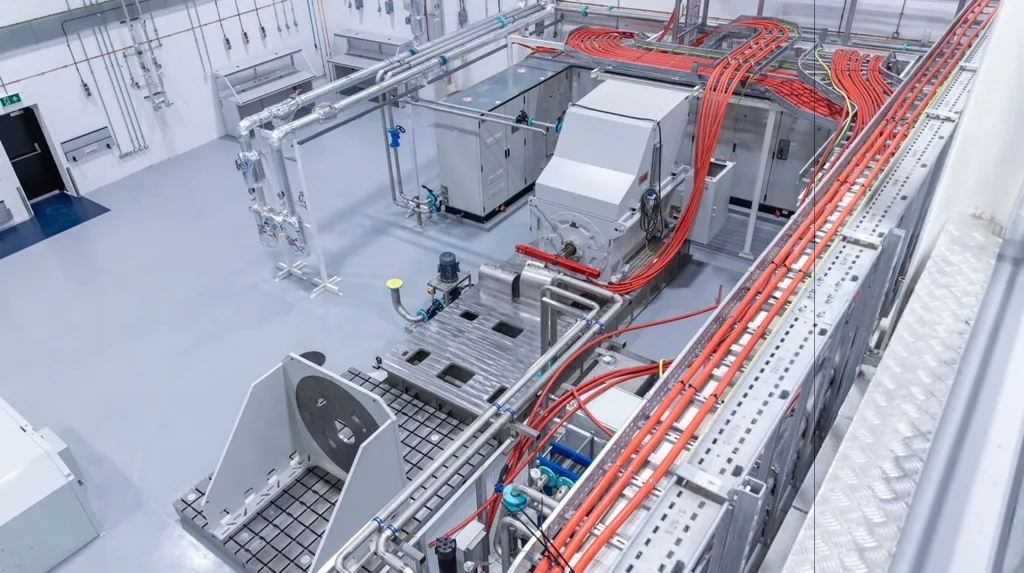
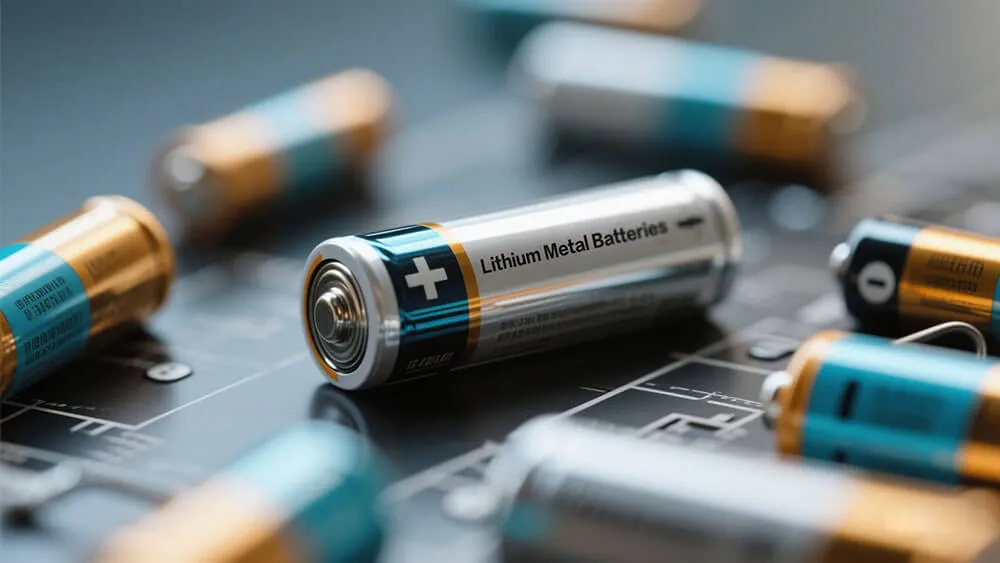
Chinese team develops lithium-metal pouch cells exceeding 600 Wh/kg
Tianmushan Lab and Tsinghua University have developed lithium-metal pouch cells achieving up to 602.5 Wh/kg in laboratory tests. The electrolyte design improved high-voltage stability and dendrite suppression, although further development is needed before commercial production.
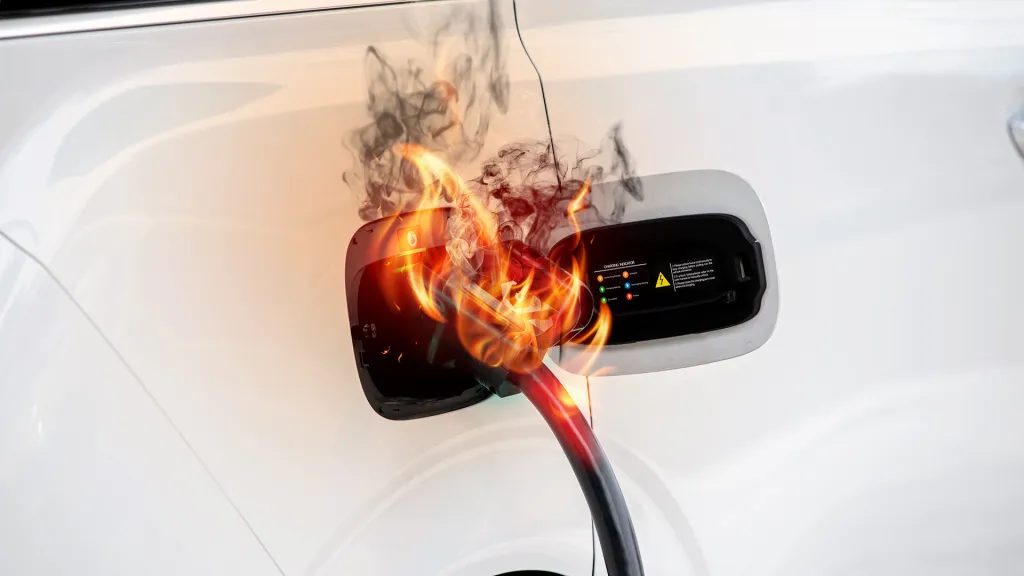
Research finds EV fires behave similarly to petrol and diesel vehicle fires
UL Research Institutes’ three-year study found EV and internal-combustion vehicle fires had similar growth, peak size and duration. Water controlled cabin fires, but could not stop battery thermal runaway, while fire blankets posed explosion risks in confined spaces.

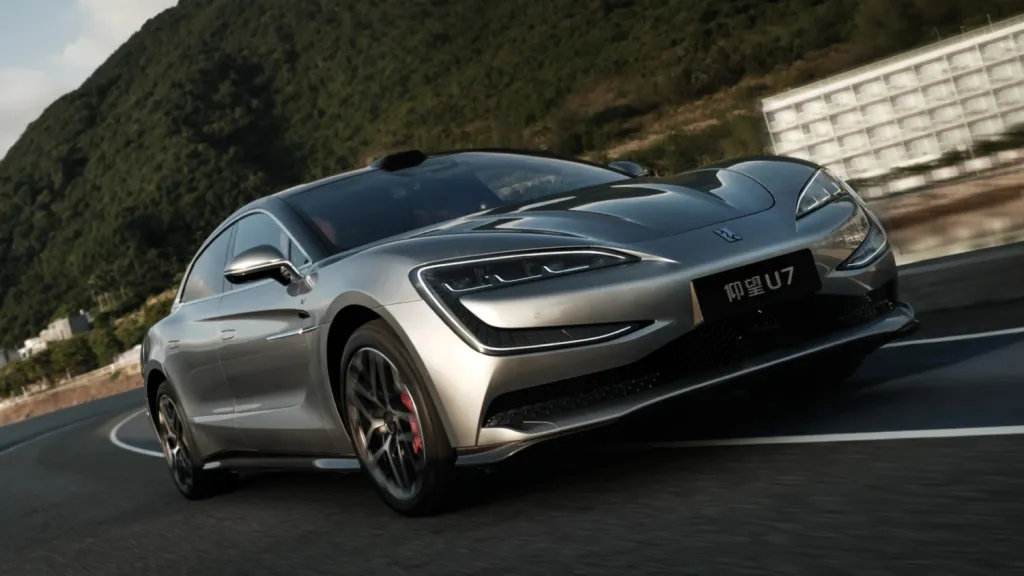
Yangwang U7 battery retains 98.7% capacity after 30,000 km test
BYD’s Yangwang U7 completed a 30,000 km endurance test in China, including more than 350 rapid-charge cycles over nine days. The production electric sedan retained 98.7% of its battery capacity despite sustained high-speed driving in hot, humid conditions.
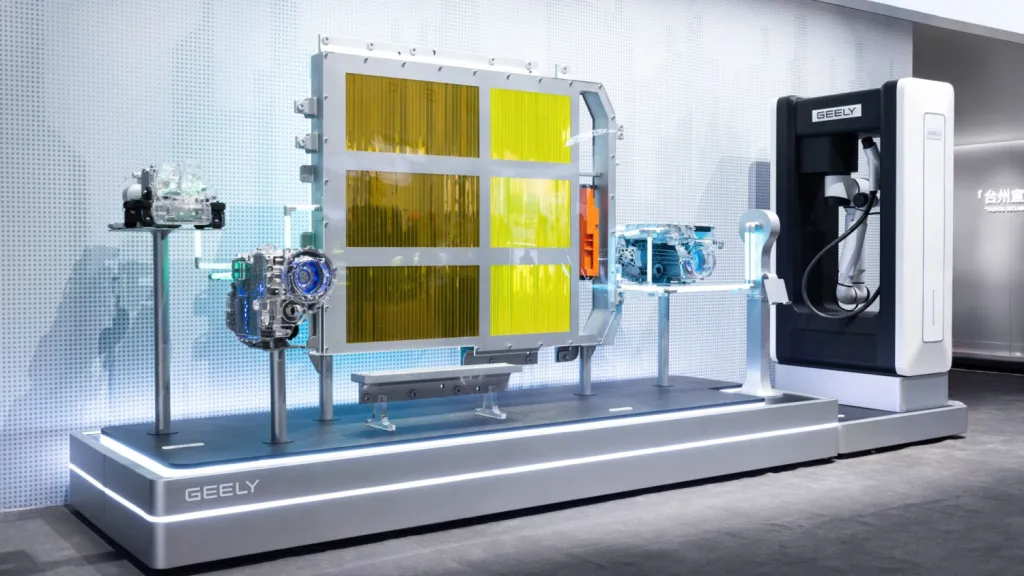
Geely develops 1000V architecture for faster electric-vehicle charging
Geely is developing a 1000V architecture intended to improve on its current 800V systems and deliver charging beyond 10–80% in 5.5 minutes. The group has also built more than 2,100 1,500kW Zeekr-branded chargers to support future vehicles.

Cranfield develops digital-twin framework for transport decarbonisation
Researchers at Cranfield University have adapted manufacturing standard ISO 23247 into a transport digital-twin framework. The reference architecture integrates vehicles, infrastructure, energy, data exchange and emissions monitoring, with an air-to-road freight decarbonisation case study involving East Midlands Airport and DHL.
Brisbane study finds e-mobility parking boosts station trips
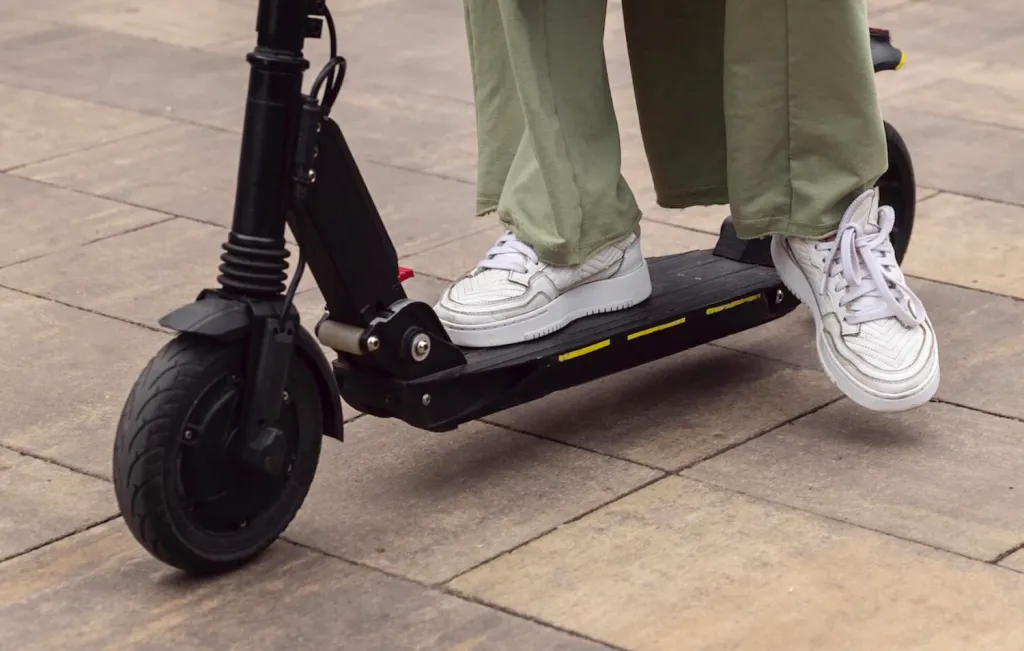
An eight-month Brisbane trial found dedicated e-scooter and e-bike parking near Albion station increased use by 52%, compared with 16% from cheaper fares. Researchers said convenience, clear rules and infrastructure are key to integrating micromobility with public transport.
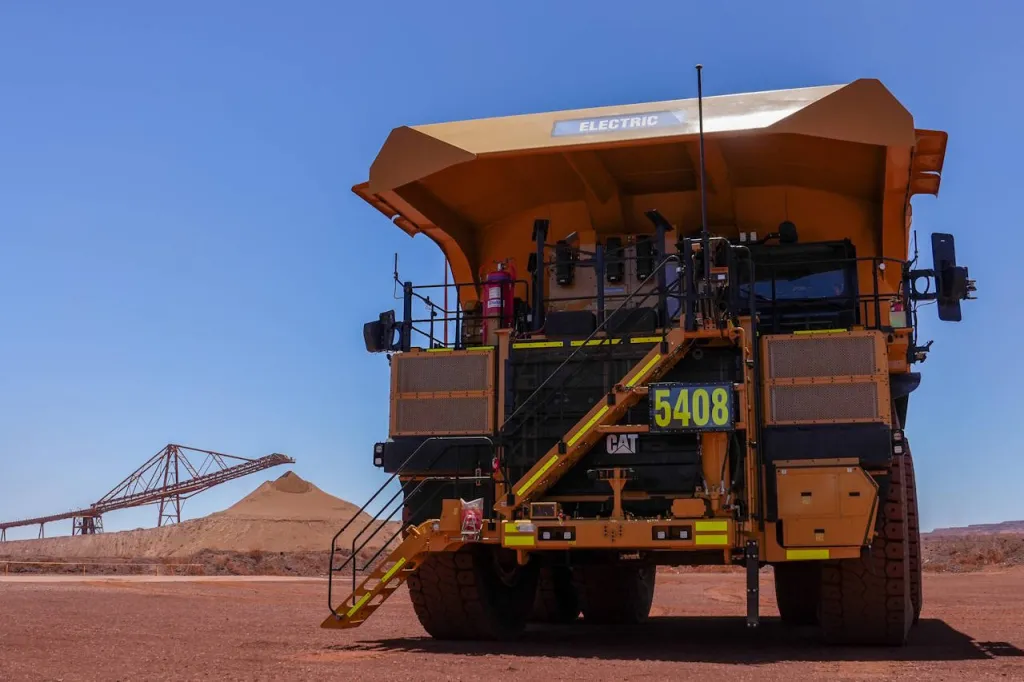
BHP to trial dynamic charging for electric haul trucks in Australia
BHP will trial Caterpillar’s Dynamic Energy Transfer system with two battery-electric haul trucks at its Jimblebar mine, while testing battery-electric locomotives from Wabtec and Progress Rail in Australia.


TNO updates Dutch construction-machinery NOx calculation methods
TNO has developed updated methods for calculating NOx emissions from mobile construction machinery, based on measurements from more than 500 machines. The revised AUB and U methods are closer to real-world emissions and will be incorporated into the Dutch AERIUS permitting tool.
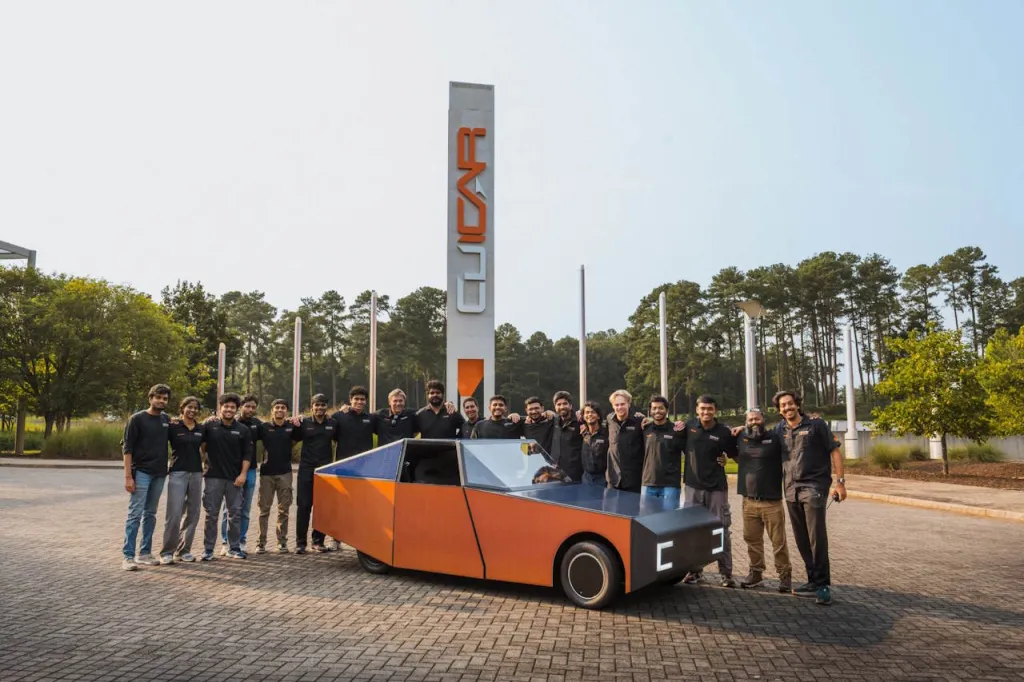
Clemson students build solar EV prototype with surplus driving range
Clemson University students have built Deep Orange 17, a 550kg solar-integrated EV prototype with more than 1,700 photovoltaic cells. Modelling across four locations found it could generate an average 50km of surplus driving range after a 20km daily commute.
BERTHA develops open-source human behaviour models for automated-driving validation
Horizon Europe project BERTHA has developed open-source driver-behaviour models to help researchers and industry validate automated-driving systems against the diversity and uncertainty of human road-user behaviour.
SOLiD advances pilot-scale solid-state battery manufacturing in Europe
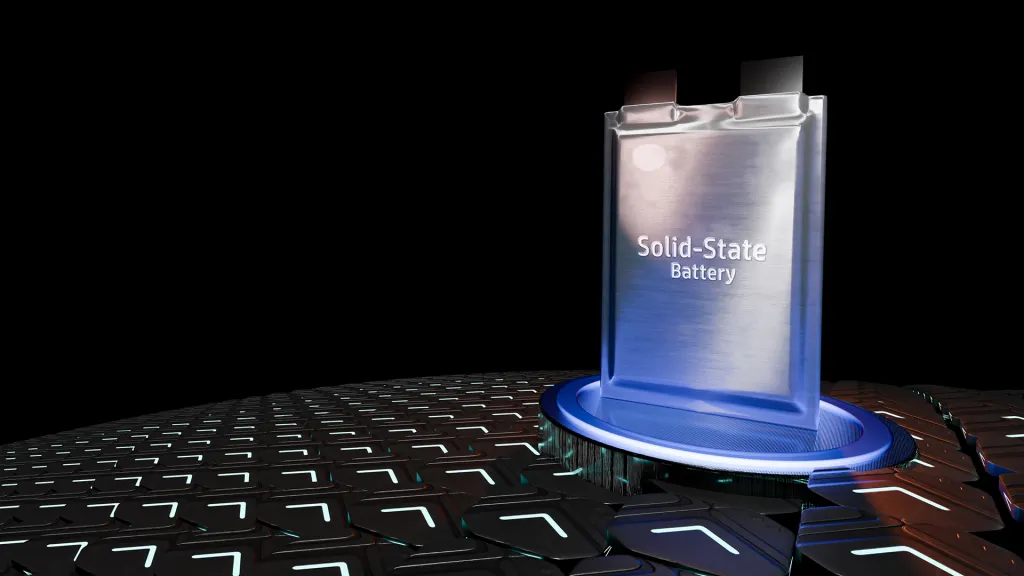
EU-funded SOLiD has advanced pilot-scale production of solid-state lithium-metal batteries, including solvent-free dry coating, thin lithium-metal anodes, polyester electrolytes and AI-enabled quality control. The project aims to transfer safer, recyclable battery manufacturing to European industry.
ReSKILLING framework assesses CCAM’s employment and societal impacts
The EC-funded ReSKILLING project has developed a framework and eight use cases to assess CCAM’s effects on employment, skills, businesses and society, including workforce inclusion. Case studies will inform reskilling pathways, training and policy recommendations.

KAIST develops programmable AI semiconductor for autonomous-vehicle processing
KAIST researchers have developed a programmable dynamic memtransistor that reduced AI prediction errors up to 40-fold for data changing at different speeds. The low-power hardware could support real-time processing in autonomous vehicles and other applications.